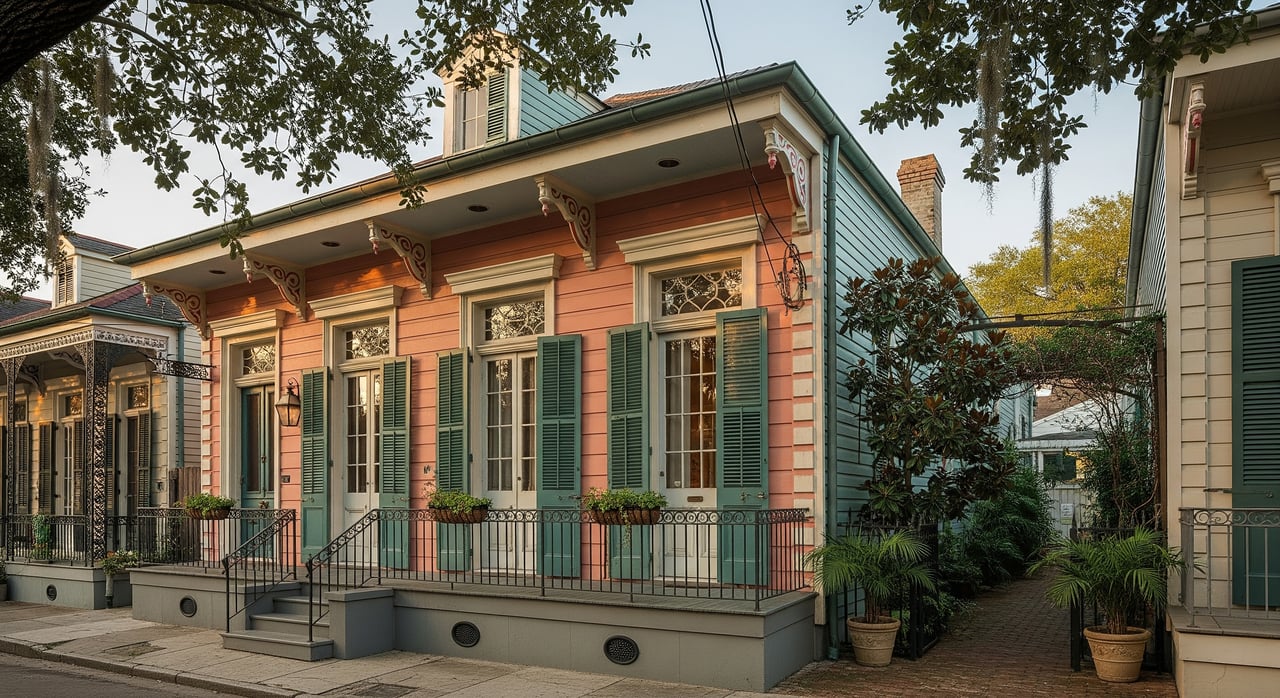
Love the charm of Bywater and Marigny but wonder how a classic shotgun home fits modern life? You are not alone. These narrow, historic homes are a New Orleans icon, yet they come with unique layouts, rules, and renovation choices. In this guide, you will learn how shotguns are built, what to expect in Bywater and Marigny, and which updates improve livability and value. Let’s dive in.
Shotgun basics in Bywater and Marigny
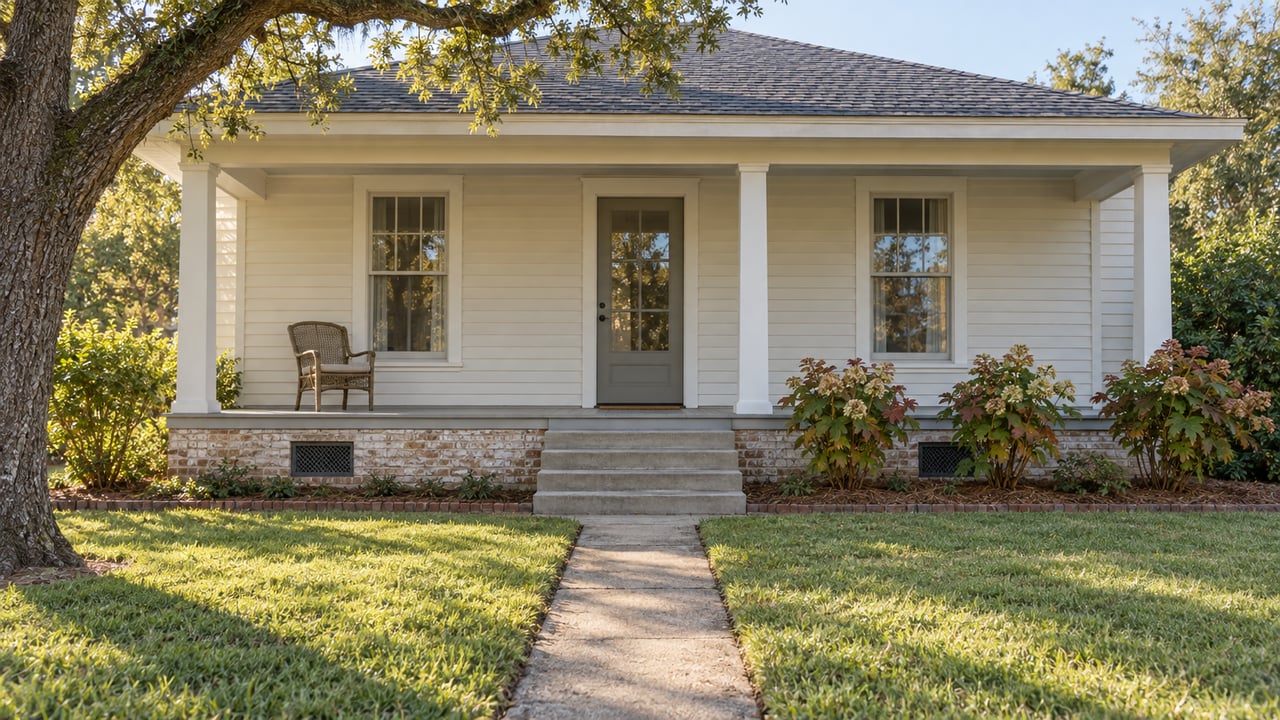
Shotgun houses are typically one room wide and several rooms deep, with doors aligned from front to back. Many are single story, and some are one and a half stories. You often see a gabled or flat roof facing the street and a raised foundation.
In Bywater and the Faubourg Marigny, most shotguns date from the mid‑19th to early‑20th centuries. You will find several variants:
- Single‑shotgun with a linear plan that places the front parlor, bedrooms in the middle, and the kitchen at the rear.
- Double‑shotgun with two side‑by‑side units under one roof. These are present, though less common here than in some other wards.
- Camelback, where a second story sits toward the rear, often adding one or two rooms while keeping a single‑story profile at the street.
These homes are an important vernacular style in New Orleans and often sit within local or federal historic districts.
Floor plans and daily flow
Rooms usually connect in sequence from front to back. The front parlor is the receiving room, followed by one or more bedrooms or a dining room, then the kitchen and service spaces at the rear. Transom windows, tall doors, and aligned openings encourage air flow.
You may encounter pass‑through rooms where a space, sometimes a kitchen, acts as the corridor to reach rooms behind it. While this can feel awkward to modern living, it is authentic to the typology and can be adapted.
Light and ventilation
Expect large front windows and rear doors, plus transoms over interior doors. Many older shotguns pre‑date central HVAC and rely on passive cooling and cross‑ventilation. Upgrades are possible without losing character when planned carefully.
Privacy and comfort in a narrow plan
You can significantly improve privacy without major structural changes:
- Add interior pocket doors or well‑placed partitions to separate rooms while preserving flow.
- Use half‑walls or built‑ins to define living, dining, or office zones.
- Keep or add transoms to pass light between rooms while maintaining separation.
- Improve sound control with resilient channel, insulation, solid doors, and door sweeps.
- For exterior privacy, consider fences, trellises, and dense planting to screen side yards and rear courtyards.
Layout tweaks can also help. Moving the kitchen toward the center or rear can create a gracious front living area. A camelback can become a private suite for quiet separation from primary living spaces.
Renovation and permits to expect
Many Bywater and Marigny properties fall under local historic‑preservation rules. The City of New Orleans Historic District Landmarks Commission (HDLC) reviews exterior changes visible from the public right of way, such as façades, porches, and rooflines. Interior work is typically not regulated, but exterior changes connected to interior projects, like raising the house, can trigger review.
For structural work, additions, camelbacks, major electrical, plumbing, HVAC, or elevation, you will need permits and code compliance. Work with licensed local contractors who understand historic‑district guidelines and New Orleans construction realities.
Hazardous materials and safety
Older homes may contain lead‑based paint, asbestos in certain materials, and outdated wiring. Lead‑safe practices and proper abatement are required when you disturb painted surfaces in pre‑1978 homes. Plan for electrical panel upgrades and replacement of obsolete wiring or plumbing where needed.
Flood risk, elevation, and insurance
Bywater and Marigny include areas within FEMA flood zones. Ask for an elevation certificate and confirm flood‑insurance requirements and premiums. Elevating a shotgun on piers or a new foundation is a common mitigation, though it adds cost and steps for access. Elevation or foundation work can also trigger additional review and code requirements.
Good drainage and moisture control matter. Make sure grading moves water away from the foundation, and that gutters and downspouts empty properly.
Systems, materials, and energy upgrades
Shotguns can be challenging for modern systems due to tight joist depths, small attics, and thin walls without insulation cavities. Common, practical upgrades include:
- Mini‑split ductless HVAC to avoid invasive duct runs.
- Spray‑foam or blown‑in insulation where appropriate.
- Electrical upgrades to current amperage needs and replacement of knob‑and‑tube wiring.
- Plumbing updates to replace galvanized or polybutylene lines.
- Moisture management through ventilation, vapor control where appropriate, and yard drainage.
Place mechanical equipment, washers, and water heaters in rear additions or insulated closets to minimize noise and vibration in living areas.
What adds value in these neighborhoods
Modern buyers often look for a blend of historic character and practical upgrades. In Bywater and Marigny, improvements that tend to help marketability and value include:
- Functional kitchens and updated baths, particularly adding a second bathroom where feasible.
- Reliable HVAC and electrical that meet current needs.
- Well‑designed camelbacks or permitted additions that add legal square footage while respecting neighborhood scale.
- Flood‑mitigation work, including elevation and drainage improvements, which can support insurability and reduce long‑term risk.
Keep a close eye on permitting and craftsmanship. Unpermitted work, or changes that visibly alter historic character, can reduce appeal and complicate resale or insurance. Appraisers consider permitted square footage, code compliance, and local comparable sales, so documentation matters.
Smart buying checklist
Use this quick list during your search and contingencies:
- Historic status: Is the property within an HDLC district, and what exterior changes need approval?
- Flood profile: What is the flood zone and elevation certificate status, and what are current premiums?
- Foundation: Condition of piers, joists, and subfloor. Any signs of settling, sagging, rot, or termite damage?
- Prior work: Are there permits for camelbacks, additions, or major remodels? Any unpermitted changes?
- Systems: Age and condition of electrical panels and wiring, plumbing materials, and HVAC performance.
- Roof and moisture: Roof condition, ventilation, gutters, drainage, and evidence of leaks or mold.
- Hazardous materials: Any confirmed lead paint or asbestos, and records of proper abatement.
- Layout feasibility: How hard would it be to add a bathroom, relocate a kitchen, or improve circulation?
- Short‑term and rental rules: If relevant, understand local regulations and neighborhood expectations.
How to live beautifully in a shotgun
Lean into the linear plan, and let light and airflow be your allies. Use built‑ins and pocket doors for privacy, preserve transoms, and keep finishes that celebrate original floors, doors, and moldings. When you add or rework space, prioritize flow and function, and choose contractors who respect both the structure and the streetscape.
Work with a local, design‑driven guide
Buying a shotgun in Bywater or Marigny is as much about architecture and history as it is about price. You deserve senior‑level guidance, clear permitting strategy, and a plan for upgrades that enhance comfort and value. If you are considering a purchase or a thoughtful renovation, connect with our founder‑led team at New Orleans Luxury Living for a confidential, design‑savvy consultation.
FAQs
What defines a shotgun home in Bywater and Marigny?
- A narrow, typically single‑story house one room wide and several rooms deep, with aligned doors from front to back and a raised foundation.
How does an HDLC district affect exterior changes?
- Exterior work visible from the street, like façades, porches, and rooflines, generally requires HDLC review and approval before permitting.
What is a camelback and why choose one?
- A camelback is a rear second‑story addition that adds rooms while keeping a single‑story look at the street, often preferred for added space with minimal streetscape impact.
What inspections are most important for a shotgun purchase?
- Structural foundation, termite and wood‑destroying organisms, roof and moisture, HVAC, electrical, plumbing, and verification of permits for past additions.
How do flood zones impact shotgun ownership in these neighborhoods?
- You should review the property’s elevation certificate, confirm insurance requirements and premiums, and consider mitigation like elevation and drainage improvements.
What upgrades improve value without harming historic character?
- Adding a bathroom, updating the kitchen and systems, using mini‑split HVAC, and executing permitted camelback additions that align with neighborhood scale.