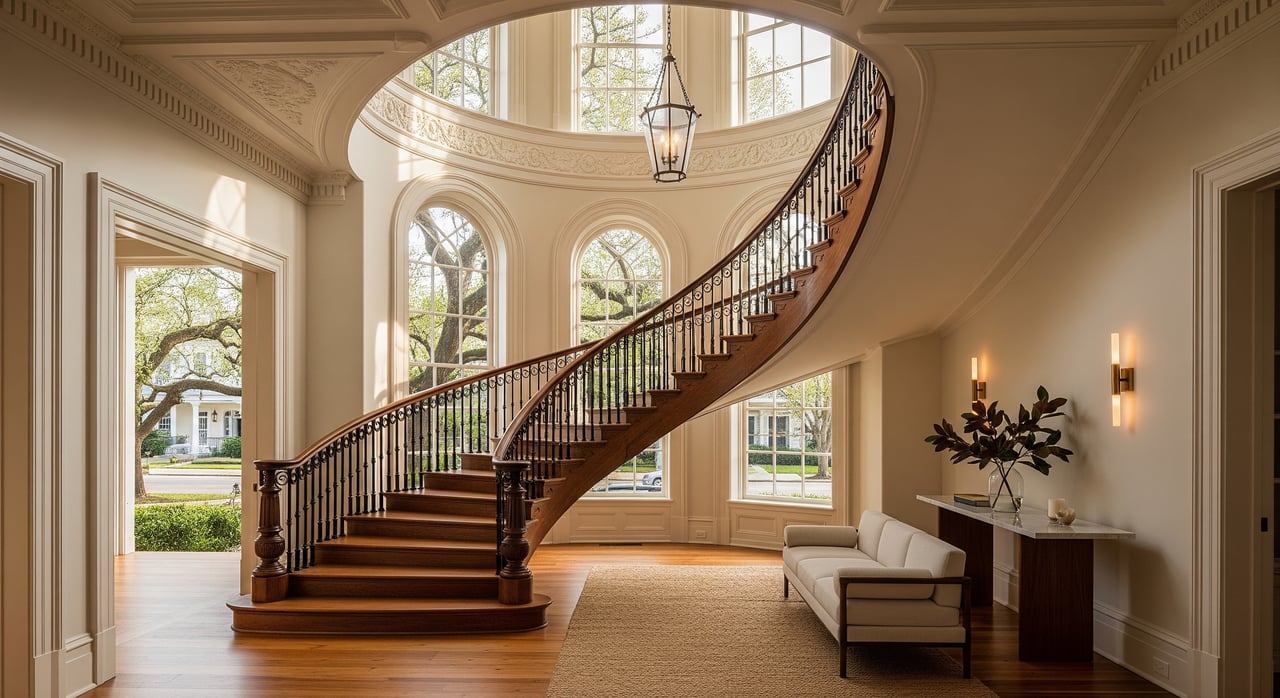
Are you stewarding a Garden District mansion and wondering how to present it to today’s luxury buyer without compromising its soul? You want to honor the architecture while ensuring the home feels effortless to live in. In this guide, you’ll learn how to prioritize preservation‑sensitive improvements, navigate approvals, and position your property with staging and media that command attention and price. Let’s dive in.
What today’s buyer values
Architectural integrity and comfort
Luxury buyers look for a rare balance: authentic architectural details with modern convenience. Original floors, staircases, windows, moldings, mantels, and ironwork help your home stand out. At the same time, buyers expect a well‑equipped kitchen, updated baths, and reliable HVAC, plumbing, and electrical systems.
Condition and resilience
Condition tells a story about stewardship. Structural issues, roof leaks, old wiring, or moisture intrusion are red flags that slow deals and invite price pressure. Buyers in New Orleans also weigh resilience: flood history, elevation, mitigation measures, and insurance costs.
Privacy, access, and setting
The Garden District’s setting is a major draw. Mature trees, fences and ironwork, gracious porches, and well‑kept walkways set the tone. Off‑street parking, service access, and carriage houses add daily ease and buyer confidence.
Digital first impression
Your first showing happens online. Professional photography, a short cinematic listing film, and optional drone footage help buyers grasp scale, flow, grounds, and proximity to Uptown amenities. Well‑staged rooms and a clear floor plan reduce friction for long‑distance and time‑pressed buyers.
Plan preservation‑sensitive updates
Protect character‑defining features
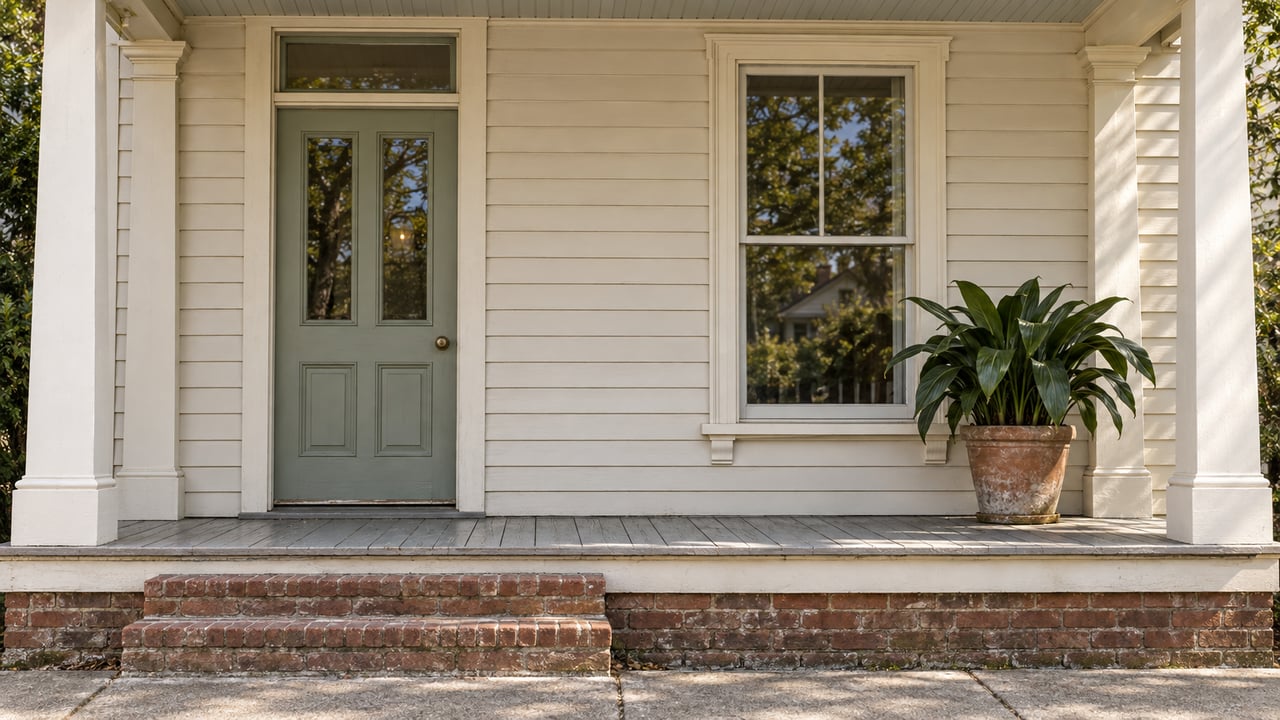
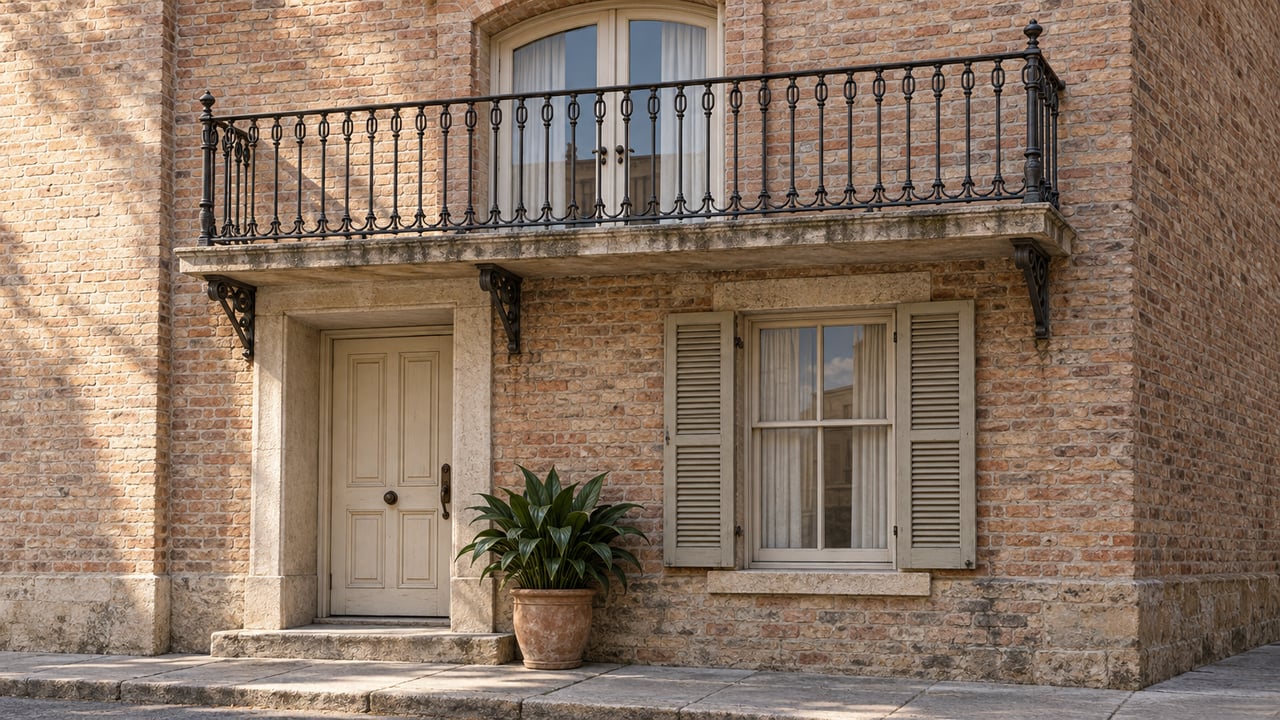
Start by preserving the irreplaceable. Restore original wood floors and plaster, tune up historic windows with weatherstripping and sash repair, and refresh porches, columns, and ironwork with compatible materials and colors. Avoid wholesale replacement unless a qualified professional determines it is necessary.
Upgrade systems discreetly
When adding or replacing systems, route new wiring and ductwork in attics, basements, or chases to minimize loss of historic fabric. Use low‑profile vents and covers that harmonize with your home’s style. The goal is modern performance that feels quietly integrated.
Secure approvals before exterior work
The Garden District is under local historic‑district oversight. Exterior changes like additions, visible roof replacements, fences, and many hardscape updates typically require review from the Historic District Landmarks Commission (HDLC). Interior work is usually not regulated unless covenants or easements apply. Contact HDLC and the City permits office early to confirm what needs approval and how long review will take.
- Minor repairs can be fast‑tracked.
- Larger exterior changes may require public meetings and can take weeks to months.
- Keep a record of approvals to include in your pre‑listing packet.
Note on incentives: Federal historic rehabilitation tax credits generally apply to income‑producing properties, not private residences. For state or local programs, consult the Louisiana State Historic Preservation Office.
Avoid common regulatory pitfalls
- Do not start visible exterior work without HDLC approval.
- Be thoughtful about placement of modern exterior equipment like condensers and satellite dishes.
- Do not remove historic ironwork, masonry, or mature trees without permits. Document every approval to reinforce buyer confidence.
Systems, safety, and resilience
Structure and moisture control
In a climate of heavy rain and humidity, moisture management is crucial to value. Prioritize the roof, gutters and downspouts, chimney flashing, foundation stability, and site drainage. A pre‑listing structural and roof inspection, plus a termite and pest inspection, helps you resolve issues up front and share credible reports with buyers.
Mechanical, electrical, and plumbing
Buyers expect dependable systems they will not need to overhaul immediately.
- HVAC sized for the square footage; zoned systems are a plus.
- Updated electrical service with modern safety devices. Outdated systems like knob‑and‑tube or fuses deter buyers and lenders.
- Sound plumbing with durable materials and no active leaks.
Provide dates of upgrades, contractor information, and any warranties. Clear documentation reduces uncertainty and supports stronger offers.
Flood, insurance, and hurricane readiness
Flood risk and insurance shape buyer decisions in New Orleans. Determine your FEMA flood zone, base flood elevation, and whether an elevation certificate exists. Be ready to disclose flood history, mitigation work, and current flood‑insurance costs.
Practical measures that add value:
- Elevate major mechanicals above potential flood levels.
- Use flood vents for enclosed foundations where appropriate.
- Maintain effective drainage and sump systems.
- Reinforce roofs and confirm availability of shutters.
Consider obtaining an updated elevation certificate and a current flood‑insurance estimate to include in your pre‑listing packet.
Environmental health and safety
If your home was built before 1978, assume lead‑based paint may be present and follow EPA Renovation, Repair and Painting rules during any paid work. Asbestos may be present in some older materials; test before disturbing suspect areas. In New Orleans’ climate, buyers also want evidence of pest treatments and active termite protection.
Curb appeal and interiors
Grounds and facade
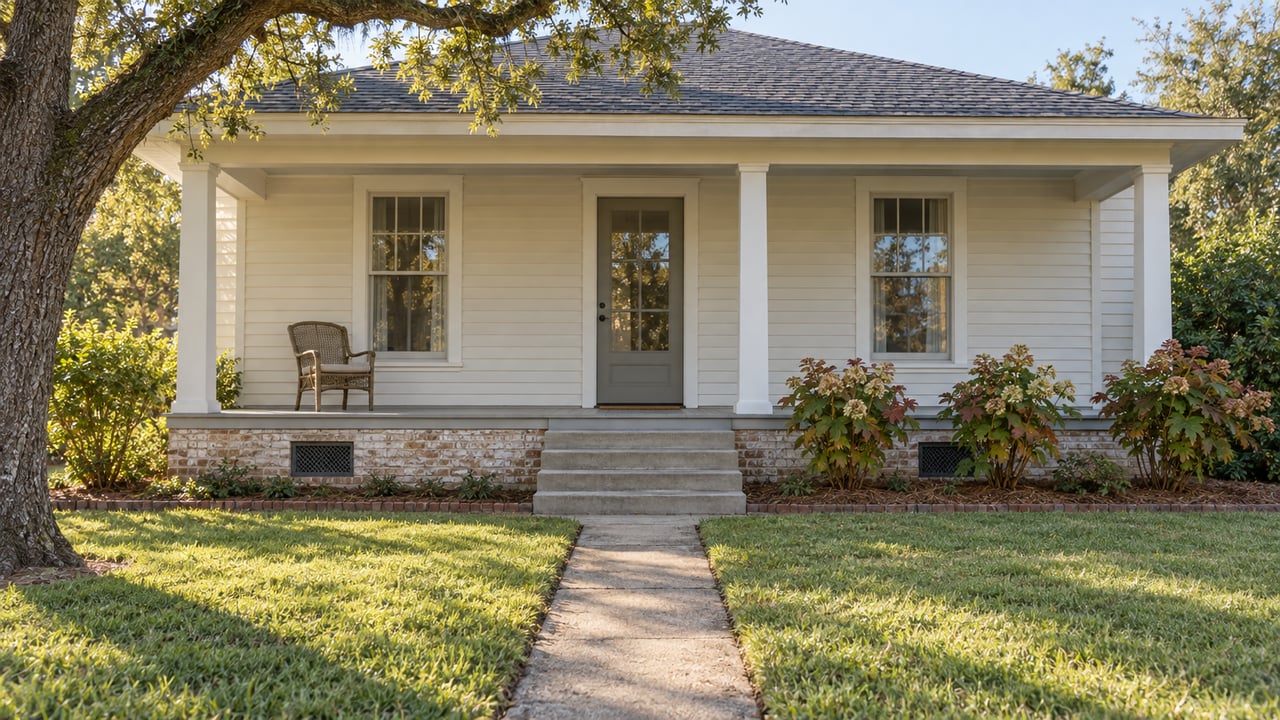
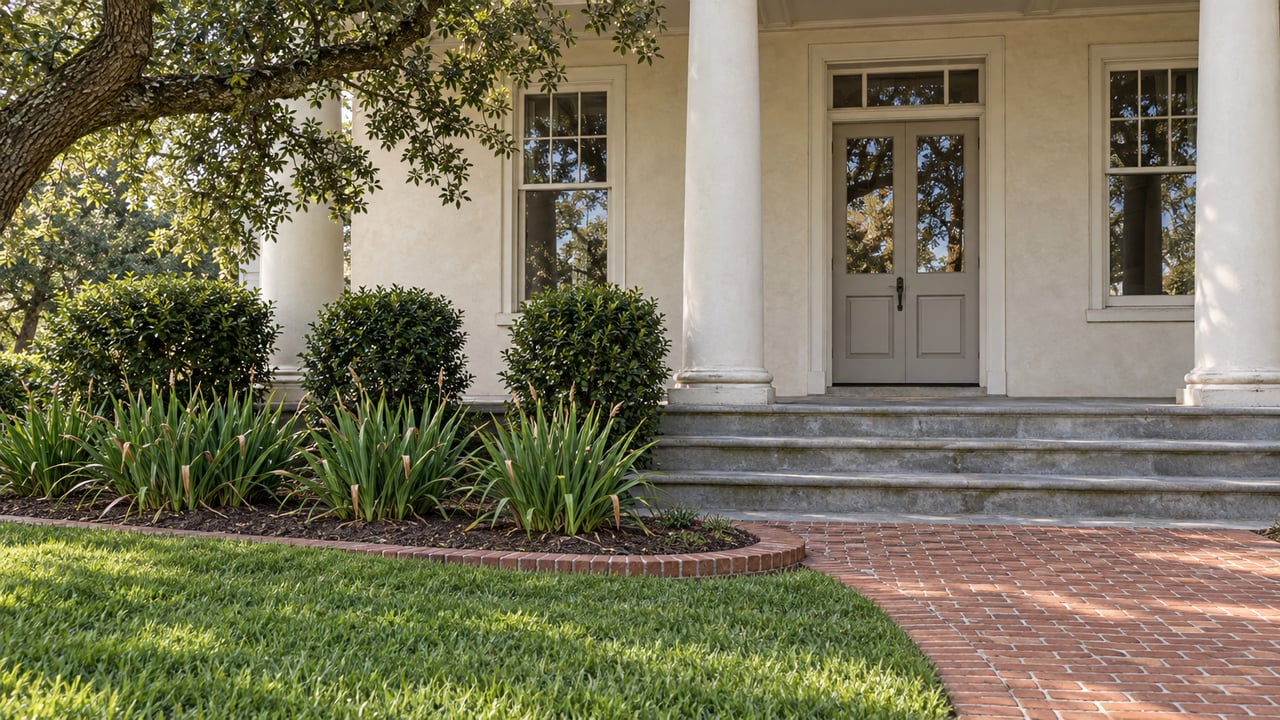
First impressions begin at the curb. Attend to lawn and hedges, brick or stone walkways, and gates. Clean masonry and steps using techniques appropriate for historic materials. Refresh exterior trim and ironwork in a palette that suits the home’s era. Update exterior lighting to accent architectural features and improve safety without overpowering the facade. Make sure the driveway is clear and the entry sequence feels gracious.
Stage for lifestyle and scale
Mansions can overwhelm if rooms feel undefined. Use staging to show how the home lives today.
- Spotlight the entrance hall, formal parlors, and dining sequence.
- Create a balance of formal and relaxed rooms so buyers can picture daily life and entertaining.
- Neutralize overly personal decor while keeping period‑appropriate furnishings.
- For large estates, demonstrate flexible uses: home office, media room, fitness, and guest suites.
- Highlight modern convenience that respects the architecture: an updated kitchen, well‑appointed baths, laundry, and discreet climate control.
Listing media that converts
A sophisticated media package helps your home compete with limited comparables.
- High‑resolution interior and exterior photography, including twilight images.
- A 60–120 second cinematic film mixing interior walkthroughs, grounds, and neighborhood lifestyle moments like the St. Charles Avenue streetcar or Magazine Street. Keep edits honest so expectations match reality.
- Optional drone footage to reveal lot context, carriage houses, and surrounding streets, operated in compliance with FAA rules.
- A Matterport or similar 3D tour to serve long‑distance and private‑schedule buyers.
Tell the neighborhood story
Buyers choose the Garden District for authenticity and access. In your marketing, situate the home thoughtfully within its context: proximity to the St. Charles Avenue streetcar, Magazine Street shopping and dining, nearby parks, and landmarks such as Lafayette Cemetery No. 1. Share verified historical notes like year built, architectural style, and notable stewards when available. Keep the tone tasteful and accurate to protect credibility.
Timeline and team
A successful sale often starts 6–18 months ahead. Build a plan that honors the home and streamlines your path to market.
6–18 months out
- Assemble your team: listing agent experienced with historic Garden District properties, a preservation architect or consultant, a contractor skilled in historic rehabilitation, a structural engineer, a certified inspector, and an appraiser who understands historic valuations.
- Commission pre‑listing inspections for structure, roof, pests, and major systems. Obtain an elevation certificate if needed and gather permit history.
- Consult HDLC about any exterior work and begin applications as required.
- Scope and schedule preservation‑sensitive repairs and upgrades.
3–6 months out
- Complete major repairs and system updates that reduce buyer risk: roof, electrical, HVAC, and plumbing.
- Refresh landscaping and exterior paint or ironwork touchups.
- Finalize a staging plan and book professional photography, drone, and video.
0–2 months out
- Deep clean, stage, and photograph.
- Assemble a polished pre‑listing packet: inspection reports, permits, elevation and flood details, warranties, and HDLC approvals.
- Confirm your marketing strategy across MLS, private networks, and targeted outreach.
Your pre‑listing packet
Buyers of historic mansions respond to clarity. Package the following so prospects and appraisers can verify condition and stewardship:
- Structural, pest/termite, roof, and MEP inspection reports.
- Permits and Certificates of Occupancy for renovations, especially exterior or structural work.
- Elevation certificate and flood insurance history.
- Warranties and documentation for recent work.
- HDLC approvals and correspondence.
- Before‑and‑after photos of restoration work.
- Utility history, a recent survey, and documents for any carriage house or secondary structures.
Valuation and cost realism
Because Garden District mansions are unique, appraisals rely on nearby historic sales, the integrity of period features, and the quality and recency of upgrades. Historic‑sensitive work may cost more due to skilled labor and compatible materials, so plan for multiple bids and realistic timelines. Invest where buyers feel it: roofs, major mechanicals, moisture control, and electrical safety often deliver stronger returns than purely decorative updates. Provide your agent and appraiser with thorough documentation to support premium pricing.
Ready to position your mansion for today’s buyer
You can honor your home’s history and attract modern buyers by focusing on preservation‑smart repairs, resilience, and a world‑class presentation. If you would like hands‑on guidance, white‑glove marketing, and access to curated luxury buyer networks, connect with New Orleans Luxury Living. Our founder‑led team blends deep Garden District expertise with concierge pre‑sale services, designer staging, high‑production listing films, and discreet private offerings when appropriate. Request a Private Consultation with New Orleans Luxury Living to begin a tailored plan.
FAQs
How do I prepare a Garden District mansion without losing historic character?
- Prioritize reversible, minimally invasive updates that protect original floors, moldings, windows, ironwork, and porches while discreetly integrating modern systems.
Do I need HDLC approval before exterior work in the Garden District?
- Yes, most visible exterior changes require HDLC review. Contact HDLC early to confirm scope, timelines, and documentation, and include approvals in your pre‑listing packet.
What systems matter most to today’s luxury buyer in Uptown?
- Buyers value reliable HVAC, updated electrical with modern safety devices, sound plumbing, and proven moisture control. Document recent upgrades and warranties.
How important is flood history and insurance in New Orleans?
- Very important. Provide your FEMA flood zone, elevation certificate, any mitigation work, and current flood‑insurance costs. Transparency speeds decisions and supports pricing.
Will a full interior modernization increase my price in the Garden District?
- Not always. Many buyers value intact historic features. Focus first on structure, moisture, major systems, and well‑appointed kitchens and baths, then stage for lifestyle.
Do drone and video tours actually help sell a historic mansion?
- Yes. Professional photos, cinematic film, and compliant drone footage help buyers grasp scale, grounds, and neighborhood context, often shortening time on market.