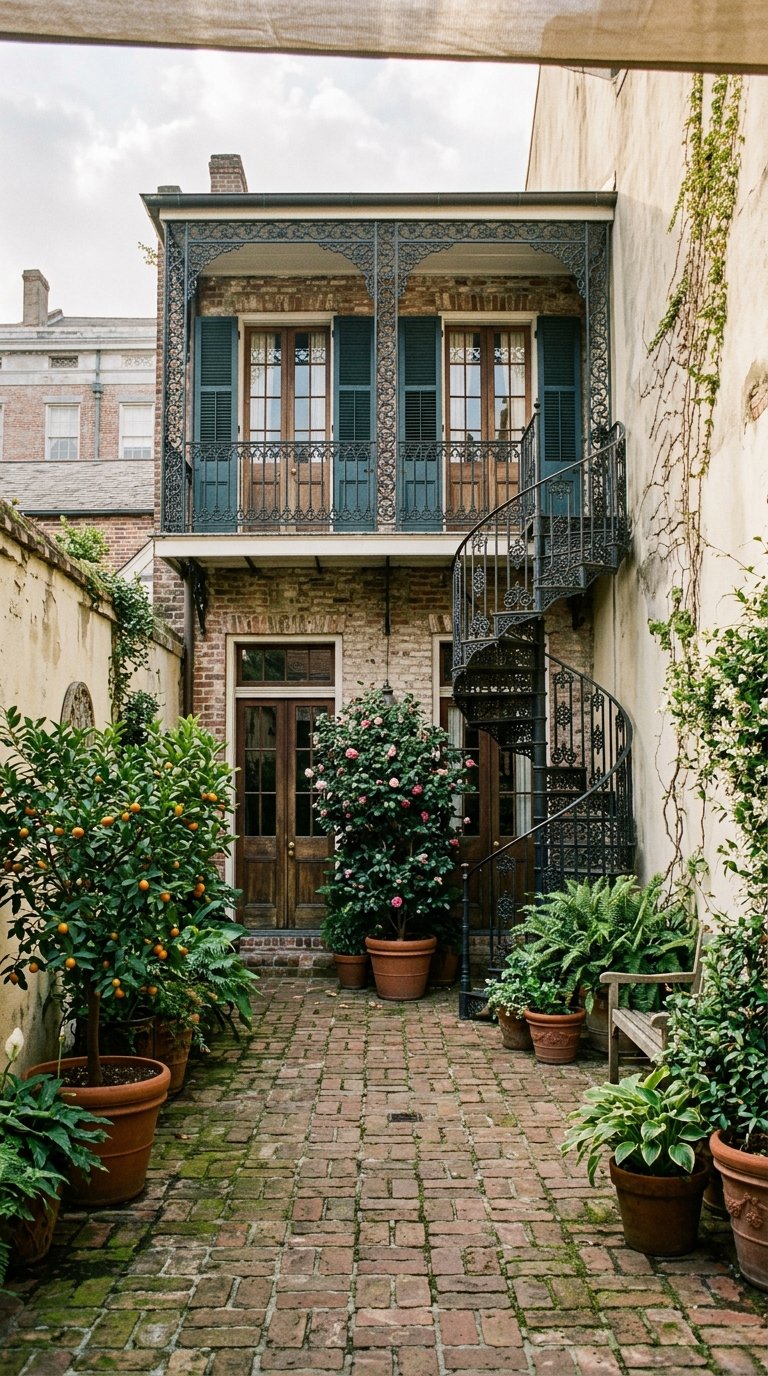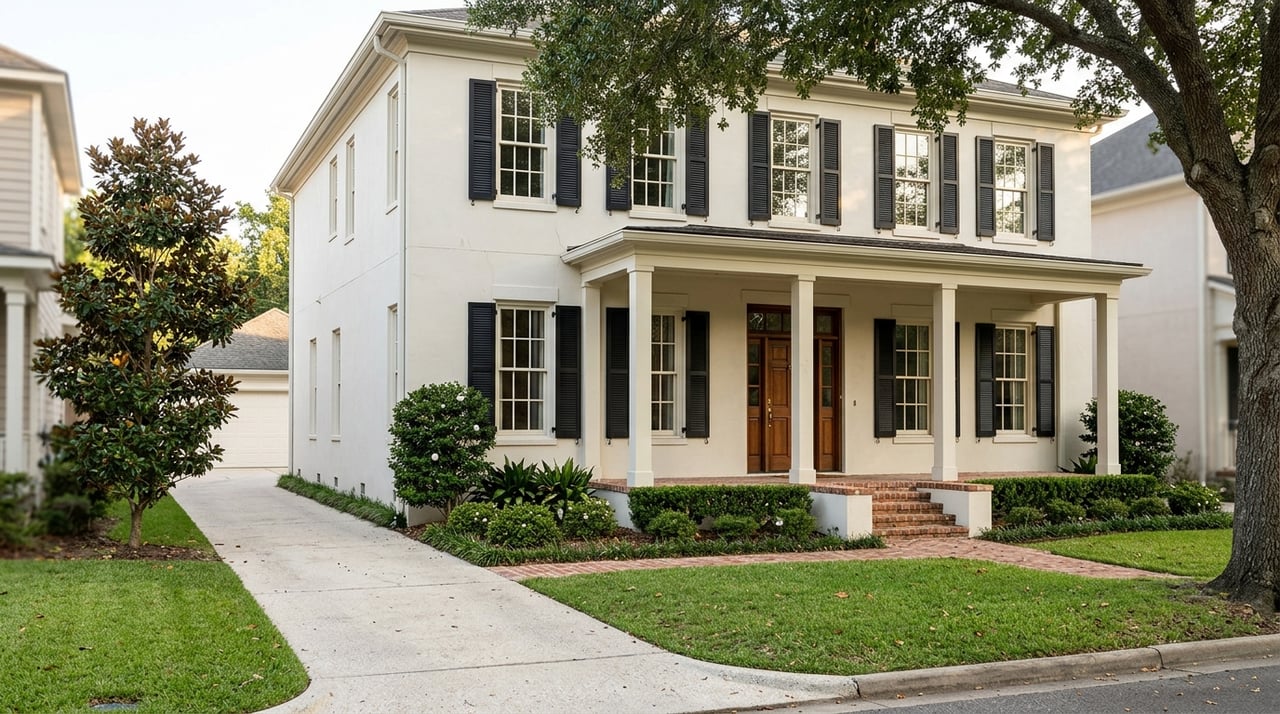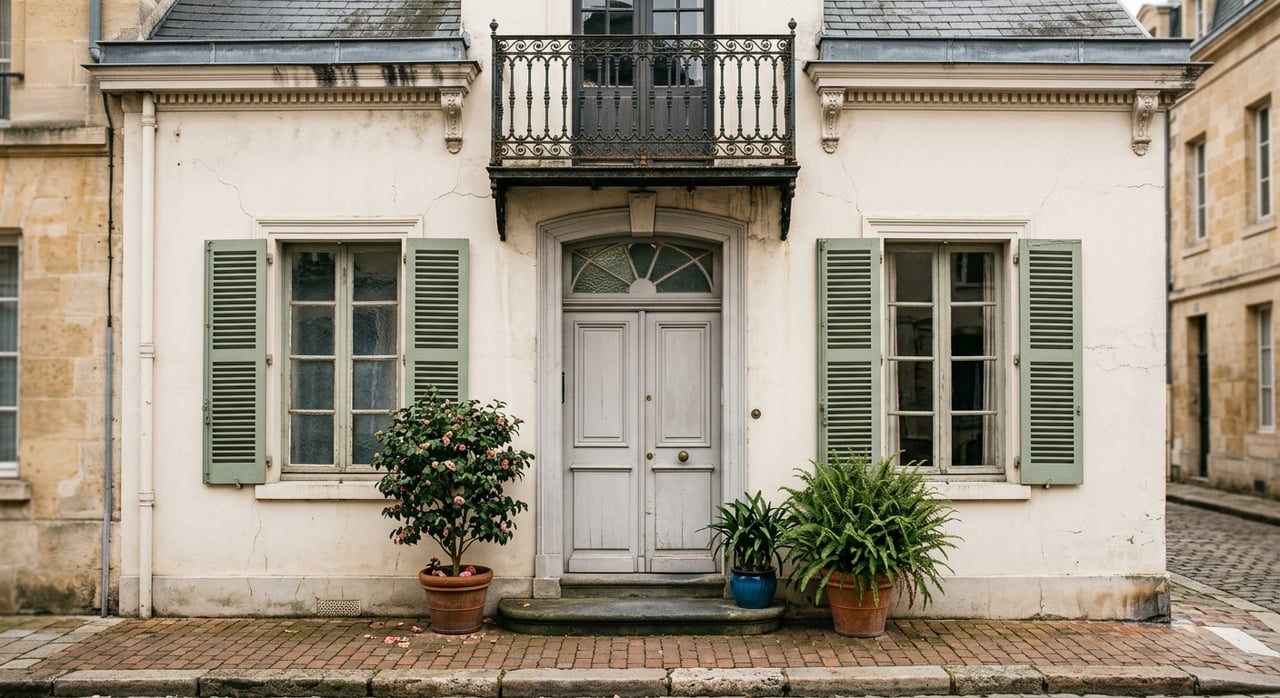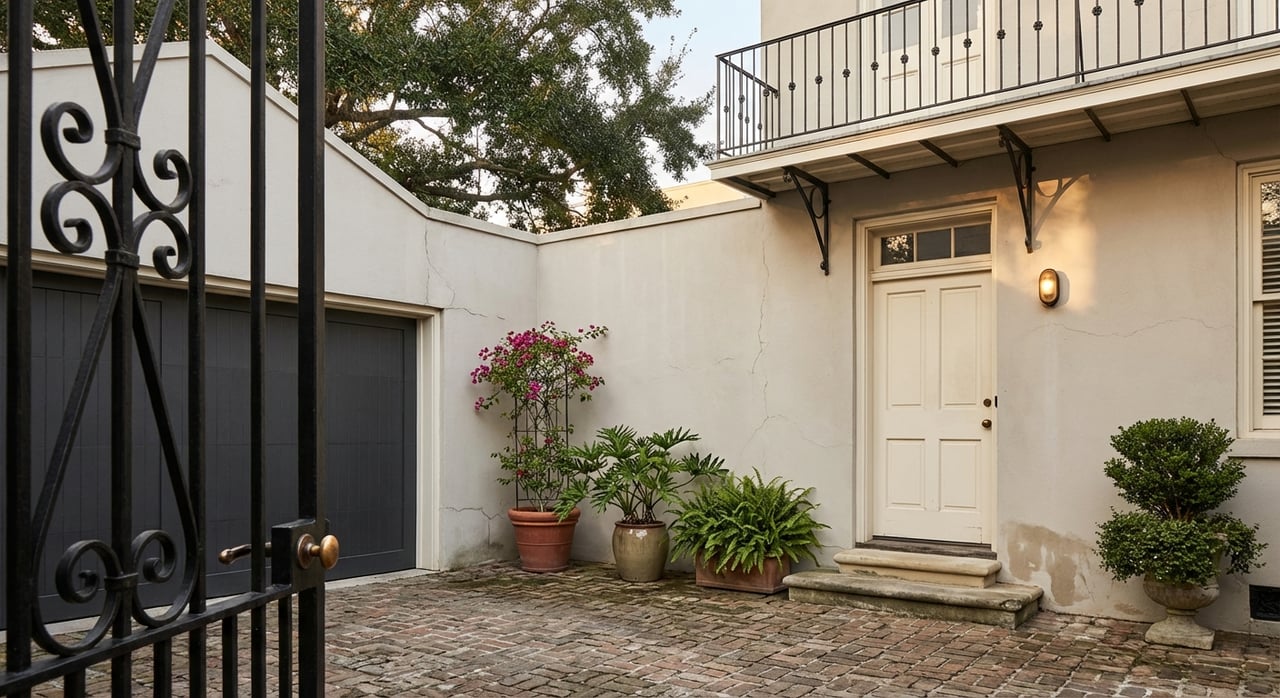
What draws you to the French Quarter is not just the address, it is the romance of galleries, courtyards, and history at your door. The question is simple: does a condo or a townhouse fit your life better here? In the Quarter, rules, insurance, and financing shape that choice as much as style. In this guide, you will learn the key differences so you can buy with clarity and confidence. Let’s dive in.
French Quarter rules that shape living
Owning in the Vieux Carré means you live within one of the most protected historic districts in the country. The Vieux Carré Commission requires permits for most exterior work, from paint to balconies, roofs, courtyards, and equipment placement. You can review the detailed VCC Design Guidelines to understand what typically needs approval and how the process works (VCC Design Guidelines).
Local preservation leaders often say the VCC oversees “anything the air touches,” which includes elements not always visible from the street. That scope affects both condos and townhouses, so you should plan timelines and budgets with approvals in mind. To research a property’s past permits, use the City’s OneStop portal to view VCC permit records by address (City OneStop permit records).
Short-term rentals in the Quarter
If you hope to offset costs with short-term rental income, proceed with care. The City’s rules are strict, and most standard residential STR permits are not allowed in the French Quarter, with narrow commercial exceptions along Bourbon Street. You can read recent City Council actions to understand the current framework (City Council ordinances and agenda) and review background on the city’s approach to STRs (Urban Conservancy STR overview).
For any address, take three steps before you rely on STR income: check the city’s registry and zoning for the parcel, review association or deed restrictions that may prohibit STRs, and confirm whether a commercial exception applies on Bourbon Street. Do not assume eligibility.
Condo vs townhouse basics
In Louisiana, a condominium is a unit you own along with an undivided interest in the building’s common elements. A condo sits inside an association that manages common areas, a master insurance policy, and rules that govern the community. A townhouse in fee simple is a home and the land beneath it that you own outright. In the Quarter, many townhouses are historic structures where you carry more responsibility for exterior and structural care.
How condos are governed and financed
With a condo, the association’s health has real consequences for your mortgage options. Lenders review project-level items like reserves, insurance, delinquencies, and litigation. If a project does not meet agency standards, conventional loan choices can narrow. You can read what Fannie Mae asks lenders to verify at the project level (Fannie Mae condo project review).
If you plan to use FHA financing, the project must be FHA-approved or qualify for single-unit approval. Always confirm status early with your lender (HUD/FHA condo approvals). Before you make an offer, request the full association packet: declaration, bylaws, budget, reserve study if available, recent meeting minutes, master insurance certificate, and any litigation disclosures.
What townhouses demand day to day
If you prefer autonomy, a townhouse gives you more control over your courtyard, roof, and façade. It also places more responsibility and cost on you for repairs and long-term stewardship. In the Quarter, many repairs require specialized trades for masonry, wood, and ironwork, and most exterior work still needs VCC approval. Reviewing the VCC Design Guidelines before you plan improvements helps set realistic timelines and budgets (VCC Design Guidelines).
Insurance and flood realities
Insurance in New Orleans is a three-part conversation for many buyers. For condos, the association’s master policy covers common elements and sometimes limited interior components, while you carry an HO-6 policy for your unit’s interior, personal property, and loss assessments. It is smart to ask for the master policy and have your agent explain where your HO-6 fills gaps, including wind, named-storm deductibles, and ordinance and law coverage (condo master policy vs HO-6 explainer).
Flood insurance is separate. Lenders require it for homes in FEMA Special Flood Hazard Areas, and premiums depend on parcel-level risk, elevation, and coverage. Even though the Quarter sits on relatively higher ground, you should check the FEMA Flood Map Service Center for your property and obtain quotes early (FEMA Flood Map Service Center).
Lifestyle, space, and parking
French Quarter homes often feature interior courtyards, galleries, and narrow footprints that shape daily life. A condo can deliver lock-and-leave ease with shared amenities, while a townhouse often offers more private outdoor space and fewer shared walls. Noise and foot traffic vary block by block. Visit at different times of day and during weekends or festivals to gauge fit for your lifestyle (background on STR impacts and context).
Parking is scarce in the historic core. Many properties do not include a dedicated space. If secure parking is essential, confirm inclusion in writing and make it a firm contingency.
Who each option serves
| Buyer priority | Best served by a Condo | Best served by a Townhouse |
|---|---|---|
| Maintenance tolerance | You prefer association-managed exteriors and shared systems. | You are comfortable budgeting for roof, façade, and courtyard care. |
| Desire for outdoor space | You are fine with limited or shared outdoor areas. | You want a private courtyard and more control over garden design. |
| Privacy and noise | You accept closer neighbors and common-area rules. | You want more separation inside your walls, with street noise still variable. |
| Financing flexibility | You are prepared to verify project eligibility for agency loans. | You want to avoid project-level condo reviews when financing. |
| STR intent | You plan for long-term use, given strict STR limits in the Quarter. | Same, unless deed restrictions and zoning allow a narrow exception. |
| Insurance simplicity | You like a master policy plus HO-6 structure. | You prefer a single homeowners policy that covers the full structure, plus flood if required. |
Before you bid: a checklist
- Confirm short-term rental eligibility for the parcel and review current city rules. Do not assume permission in the Quarter (City Council ordinances and agenda, Urban Conservancy STR overview).
- Review the VCC Design Guidelines for any exterior plans and note approval requirements for paint, balconies, roofs, courtyards, and mechanicals (VCC Design Guidelines).
- Pull the property’s permit history and any prior VCC decisions through the City OneStop portal (City OneStop permit records).
- If buying a condo, obtain the association packet: declaration, bylaws, minutes, budget, reserve study if available, insurance certificate, and any litigation disclosures.
- Verify financing pathways early. Check FHA condo approval or single-unit paths and ask your lender to assess Fannie Mae project eligibility (HUD/FHA condo approvals, Fannie Mae condo project review).
- Check the property’s flood zone on FEMA maps, request an elevation certificate if available, and obtain flood quotes (FEMA Flood Map Service Center).
- Review insurance. For condos, read the master policy and get HO-6 quotes. For townhouses, price homeowners and flood coverage and ask about named-storm deductibles (condo master policy vs HO-6 explainer).
- Confirm logistics. Verify parking, move-in procedures, trash pickup, and delivery access. Visit the block at multiple times to assess noise and foot traffic.
Work with a local advisor
Choosing between a condo and a townhouse in the French Quarter is not just about architecture. It is about governance, approvals, insurance, and how you want to live day to day. If you want discreet, founder-led guidance from a team steeped in historic property nuance, we would love to help you compare specific addresses, documents, and costs. For a private conversation about your goals, connect with New Orleans Luxury Living.
FAQs
What makes French Quarter ownership unique?
- Most exterior work requires Vieux Carré Commission review, which can affect timelines and costs. Start with the published VCC Design Guidelines.
Can you do short-term rentals in the French Quarter?
- Standard residential STRs are largely prohibited in the Quarter, with narrow commercial exceptions on parts of Bourbon Street; review recent City Council materials and confirm parcel-specific rules.
How does condo financing differ in the Quarter?
- Condo loans depend on project approval standards that review reserves, insurance, and more; verify FHA status and agency eligibility early (HUD/FHA, Fannie Mae).
What insurance do condo buyers need?
- You carry an HO-6 policy that pairs with the association’s master policy, and a separate flood policy if required; ask for the master policy to spot coverage gaps (HO-6 vs master policy overview).
Do I need permission to change a gate or paint?
- Often yes. The VCC can review courtyards, paint, balconies, roofs, and mechanical placement; check the VCC Design Guidelines and past permits via OneStop.
Is flood insurance required in the French Quarter?
- It depends on the parcel’s FEMA flood zone and your lender’s requirements; verify the address at the FEMA Flood Map Service Center and obtain quotes early.