If you love historic homes in New Orleans, choosing the right neighborhood is about more than price. The Lower Garden District, Garden District, and Irish Channel each offer a different kind of historic character, from formal mansion-lined streets to compact shotgun blocks and mixed-use corridors. If you are comparing where to focus your search, this guide will help you understand how these nearby neighborhoods differ in architecture, streetscape, walkability, and market positioning. Let’s dive in.
Why this comparison matters
These three neighborhoods sit close together, but they did not grow in the same way. According to the Preservation Resource Center’s Lower Garden District overview, the Lower Garden District began as an early-1800s Lafon plan, while the Garden District grew from the 1832 Faubourg Livaudais and the later Lafayette suburb. The Irish Channel developed as the former Lafayette riverfront and dock neighborhood.
That history still shows up in the homes you see today. It affects lot sizes, building types, block patterns, and the overall feel of each area. For a buyer focused on historic homes, those details matter just as much as the listing itself.
Lower Garden District at a glance
The Lower Garden District often feels like the middle ground in this comparison. It is more varied and less formal than the Garden District, but it also offers a broader architectural mix and more central positioning than buyers may expect.
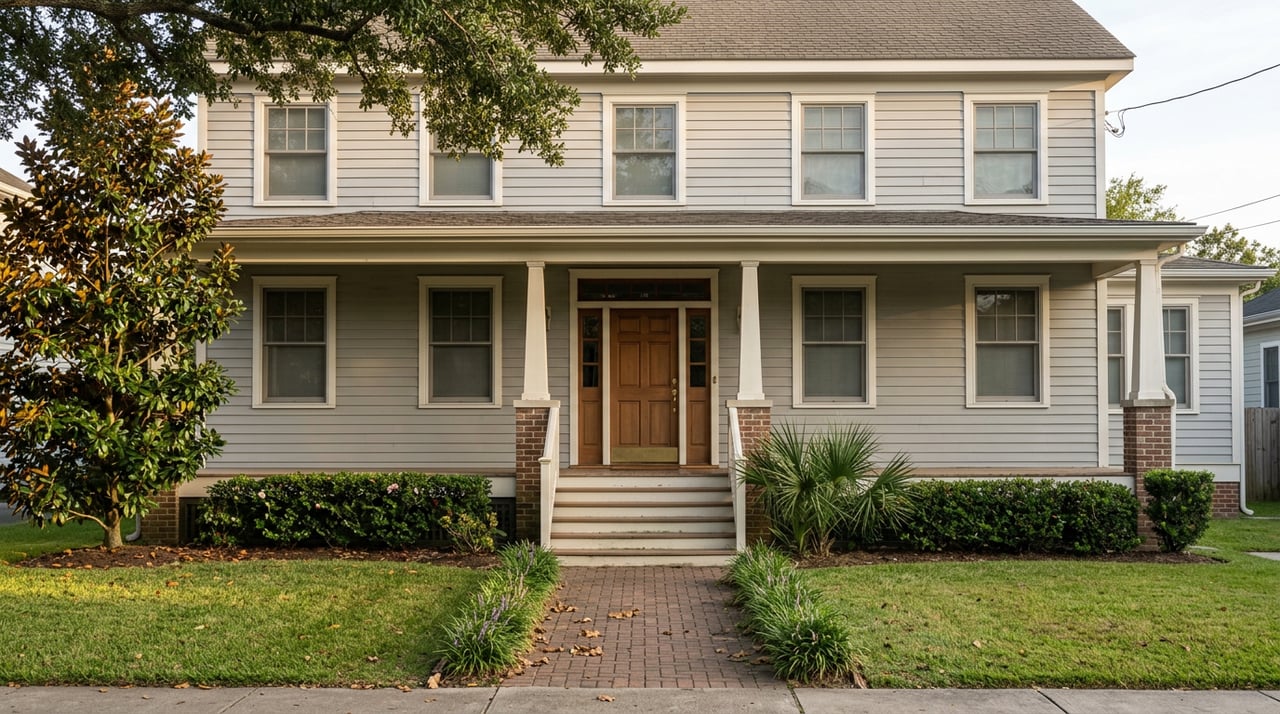
The HDLC historic districts guidelines describe the area as a mix of single and double shotguns, double-gallery houses, and commercial structures, most of them dating to the 19th century. The district also includes Greek Revival temple-front side-hall houses, smaller shotgun blocks on Constance and Annunciation, and masonry commercial buildings with deep galleries along Magazine Street.
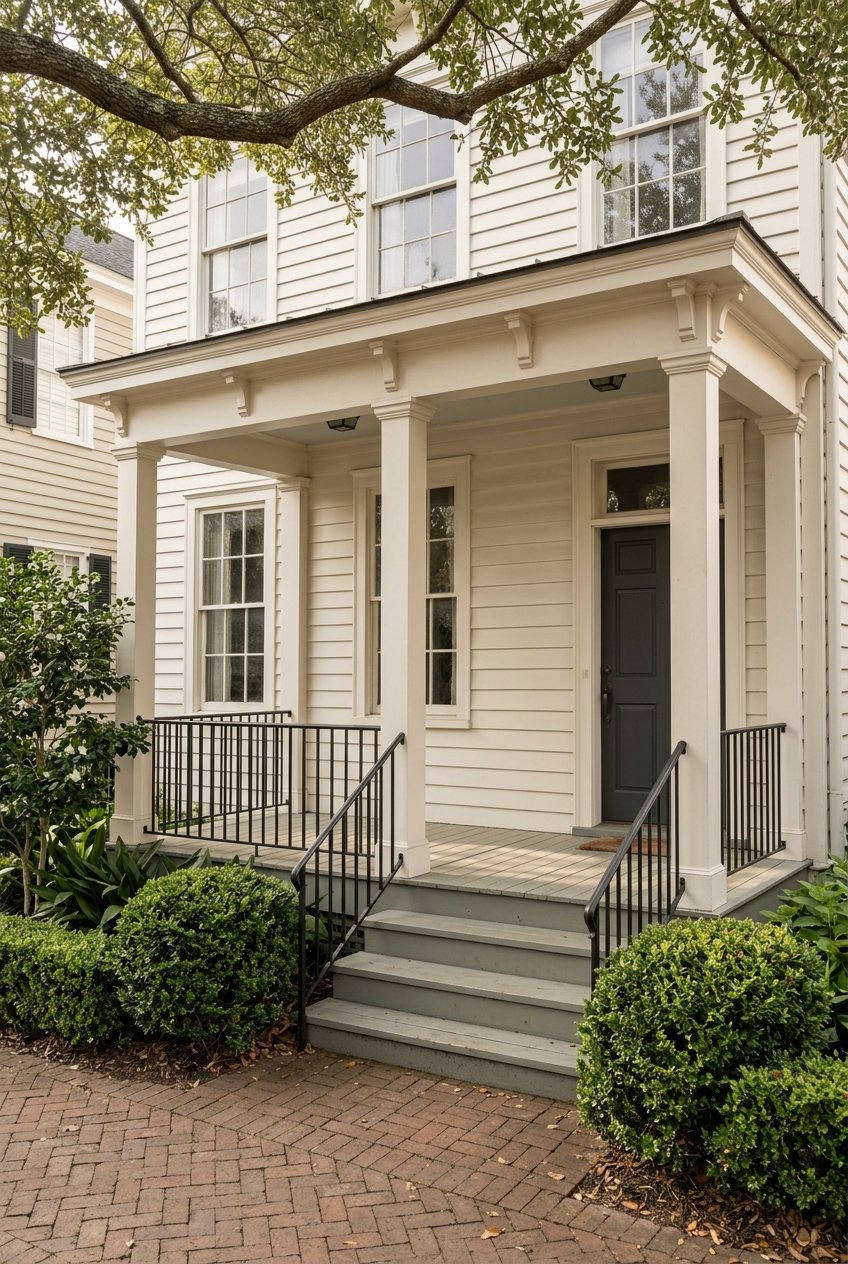
PRC notes that the Lower Garden District was one of the earliest expressions of Greek Revival in New Orleans and still holds many mid-19th-century Greek Revival and Italianate homes. That makes it especially appealing if you want historic architecture without limiting yourself to one dominant house type.
Garden District at a glance
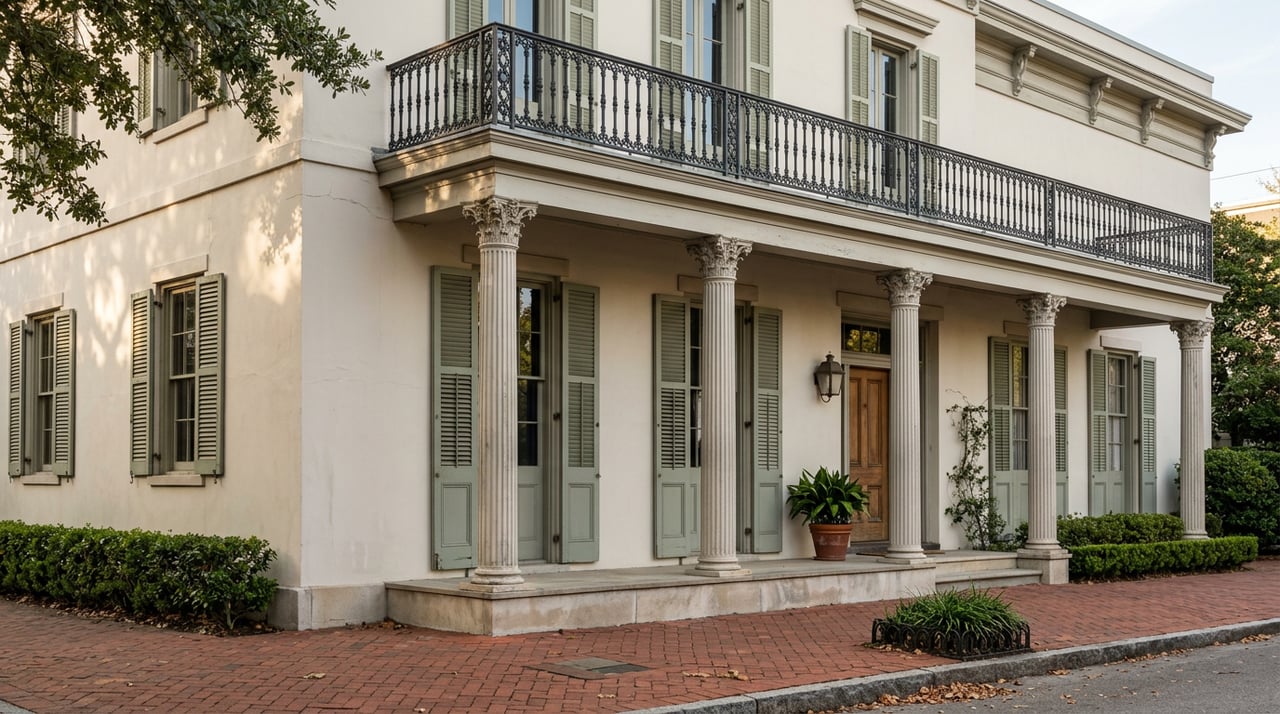
The Garden District is the most formal and iconic of the three. It is known for its concentration of Greek Revival and Italianate mansions and cottages, along with large lots, landscaped settings, and oak-lined streets.
According to the Preservation Resource Center’s Garden District overview, the neighborhood has a largely residential character shaped by landmark homes, Magazine Street, St. Charles Avenue, and Lafayette Cemetery No. 1. If your vision of a historic New Orleans home includes a more polished and consistent streetscape, this is the clearest match.
That consistency is a big part of the appeal. Buyers often look here when they want a neighborhood with an immediately recognizable historic identity and a higher-end market position.
Irish Channel at a glance
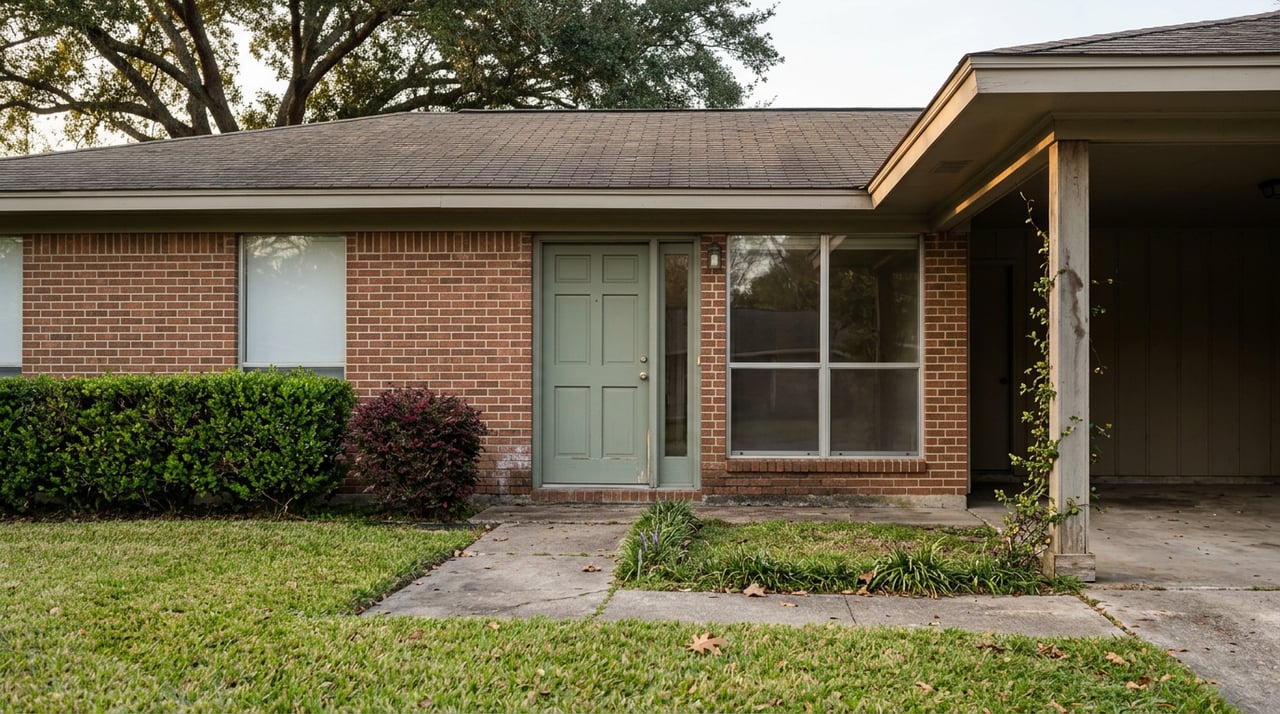
The Irish Channel offers a different kind of historic appeal. It is more compact, more working-class in origin, and more rooted in simple house forms and neighborhood-scale commercial life.
The PRC’s Irish Channel overview describes the area as a neighborhood of single and double shotgun cottages, plus warehouses, corner stores, bars, restaurants, and a few surviving antebellum townhouses and raised center-hall cottages. Its identity is closely tied to the old Lafayette waterfront and immigrant settlement patterns.
If you are drawn to historic homes with a more utilitarian, lived-in streetscape, the Irish Channel stands apart. It remains highly walkable, but the feeling is generally more neighborhood-scaled than the Garden District.
Historic home styles compared
When buyers say they want a "historic home," they often mean very different things. In these three neighborhoods, the term covers a wide range of property types.
Lower Garden District styles
In the Lower Garden District, you will find one of the broadest mixes of historic housing stock. That includes shotguns, double-gallery houses, Greek Revival side-hall homes, Italianate residences, and mixed-use historic buildings along Magazine Street. Because of that variety, your search can include everything from a more compact cottage to a larger architectural statement home.
Garden District styles
In the Garden District, the housing stock skews more formal. Greek Revival and Italianate mansions and cottages dominate the visual identity, and the larger lots help create the spacious, landscaped look the neighborhood is known for.
Irish Channel styles
In the Irish Channel, the housing stock leans simpler and more compact. Shotgun cottages are a defining feature, with some warehouses, commercial buildings, and a smaller number of larger historic homes adding variety.
Streetscape and neighborhood feel
One of the biggest practical differences is how each neighborhood feels block by block. That matters because buyers do not just purchase a house. You also choose a daily setting.
The Lower Garden District has an irregular layout that bends with the Mississippi River, shaped by Lafon’s early plan. The HDLC guidelines note its classically named streets and parks such as Coliseum Square, which give the area a distinctive sense of place. Compared with the Garden District, it tends to feel less uniform and more layered.
The Garden District feels more formal and composed. Its lush streets, larger homes, and consistent residential character create the classic strolling environment many buyers picture when they think of historic Uptown New Orleans.
The Irish Channel feels more compact and functional, with a strong connection to Magazine Street and a long corner-store tradition. The atmosphere is still historic, but less ceremonious and more neighborhood-scaled.
Walkability and daily convenience
For many buyers, historic charm needs to work with daily life. On that front, all three neighborhoods perform well, but there are meaningful differences.
Walk Score data for the Lower Garden District rates Lower Garden District at 92, Garden District at 90, and Irish Channel at 88. That places them all in strong walkable territory, with Lower Garden District slightly ahead.
Transit and bike access are also solid across the board. Walk Score reports transit and bike scores of 59 and 81 for Lower Garden District, 56 and 74 for Garden District, and 50 and 76 for Irish Channel.
Amenity counts show another distinction. Walk Score shows about 127 restaurants, bars, and coffee shops in Lower Garden District, compared with about 73 in the Garden District and about 51 in the Irish Channel. If you want the most car-light day-to-day experience, Lower Garden District stands out.
Price positioning for historic buyers
Price is often where this comparison becomes clearest. Based on Redfin’s February 2026 neighborhood market snapshot, the median sale price was $605,000 in the Garden District, $375,000 in the Lower Garden District, and $341,325 in the Irish Channel.
That creates a simple hierarchy in absolute median sale price:
- Garden District: highest
- Lower Garden District: middle
- Irish Channel: lowest
The same Redfin snapshot showed median days on market at 64 in the Garden District, 71 in the Lower Garden District, and 89 in the Irish Channel. Redfin labeled all three markets somewhat competitive.
It is worth reading these numbers as directional rather than fixed. The sales counts were small, and these neighborhoods include very different property types, from mansions and condos to shotguns, townhouses, and multi-family buildings. That mix can move neighborhood medians quickly.
Where Lower Garden District stands out
For many historic-home buyers, the Lower Garden District hits a rare balance. It offers stronger walkability than either nearby comparison neighborhood in this data set, a wide range of historic building types, and a noticeably lower median sale price than the Garden District.
It also holds a preservation identity of its own. PRC notes that the district was listed on the National Register in the 1970s and designated locally in 1975, with an expansion in 1976. That historic status helps explain why the neighborhood retains so much architectural texture today.
If you want a neighborhood that feels architecturally rich but not overly formal, this is often the most flexible option. It can appeal to buyers who want a Greek Revival or Italianate home, buyers open to mixed-use or attached historic stock, and buyers who value being close to St. Charles Avenue and the Central Business District.
Which neighborhood fits your goals?
The best choice depends on what you value most in a historic home search.
Choose Garden District if you want prestige
If you are looking for the most famous historic blocks, the most formal streetscape, and the highest-end price point among the three, the Garden District is the clearest fit. It is the most iconic option and the most visually consistent.
Choose Lower Garden District if you want balance
If you want strong walkability, a wider mix of historic housing types, and a middle price position relative to nearby options, the Lower Garden District deserves a close look. It offers architectural depth with a more varied, urban feel.
Choose Irish Channel if you want value
If you are drawn to shotgun cottages, a more compact neighborhood pattern, and the lowest median sale price in the latest snapshot, the Irish Channel may be the right match. It offers historic character in a more utilitarian streetscape.
A smart way to compare homes here
When you tour these neighborhoods, focus on more than the facade. Compare the block pattern, lot size, commercial activity, house type, and how you want your day-to-day life to feel.
A Garden District home may offer the most formal setting, but a Lower Garden District property may provide more architectural variety and easier access to nearby amenities. An Irish Channel home may offer a different entry point into historic ownership while still keeping you close to Magazine Street.
For buyers considering architecturally significant homes in central New Orleans, the right match is often about fit, not just status. If you want expert guidance comparing historic options in the Lower Garden District and nearby neighborhoods, New Orleans Luxury Living offers founder-led, highly tailored representation for buyers seeking design-forward homes with lasting character.
FAQs
What makes the Lower Garden District different from the Garden District for historic homes?
- The Lower Garden District offers a more mixed historic housing stock and a less formal streetscape, while the Garden District is known for larger lots, more consistent landscaping, and landmark Greek Revival and Italianate homes.
How do Lower Garden District and Irish Channel compare for historic cottages?
- The Irish Channel is more strongly associated with simple single and double shotgun cottages, while the Lower Garden District includes shotguns but also has a broader mix of double-gallery houses, Greek Revival homes, and commercial historic buildings.
Which neighborhood has the highest home prices among Lower Garden District, Garden District, and Irish Channel?
- In Redfin’s February 2026 snapshot, the Garden District had the highest median sale price at $605,000, followed by the Lower Garden District at $375,000 and the Irish Channel at $341,325.
Is the Lower Garden District walkable for daily errands and dining?
- Yes. Walk Score rates the Lower Garden District at 92, with higher restaurant, bar, and coffee shop counts than the Garden District and Irish Channel in the same comparison.
Why do historic home prices vary so much between these nearby New Orleans neighborhoods?
- Prices vary because each neighborhood has a different mix of home types, lot sizes, streetscapes, and market positioning, ranging from formal mansions in the Garden District to more compact cottages in the Irish Channel and mixed historic stock in the Lower Garden District.