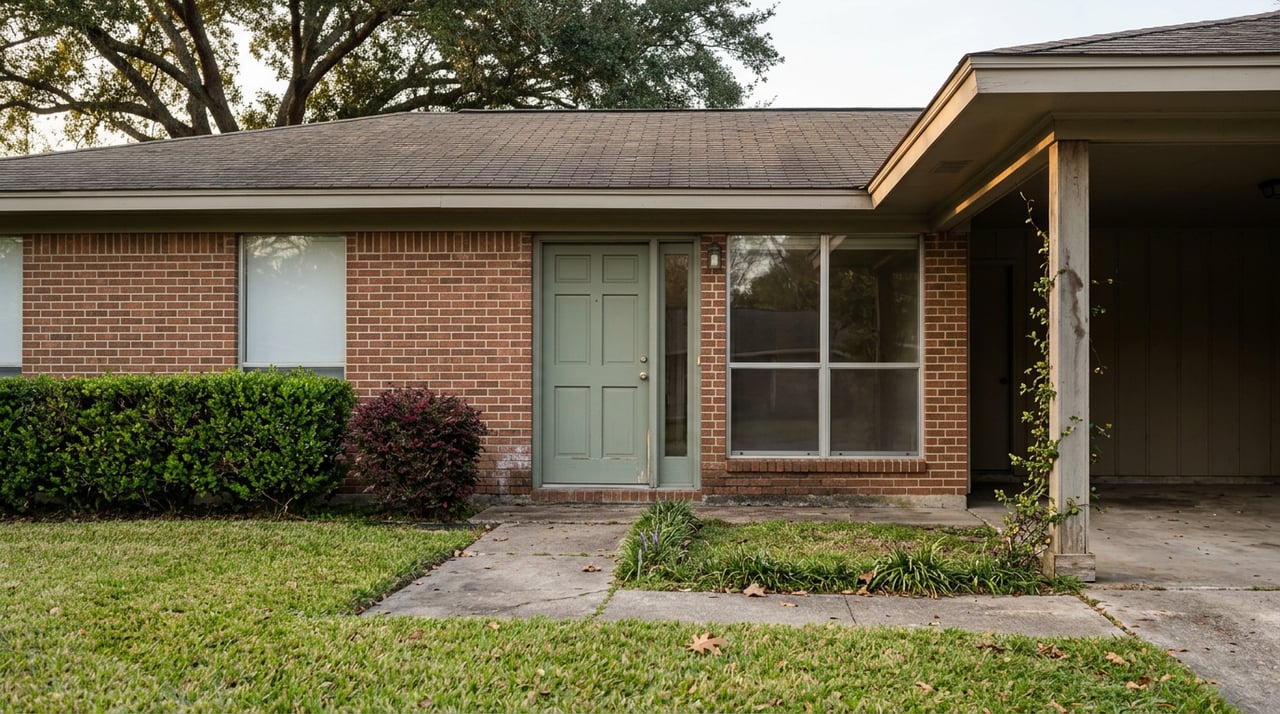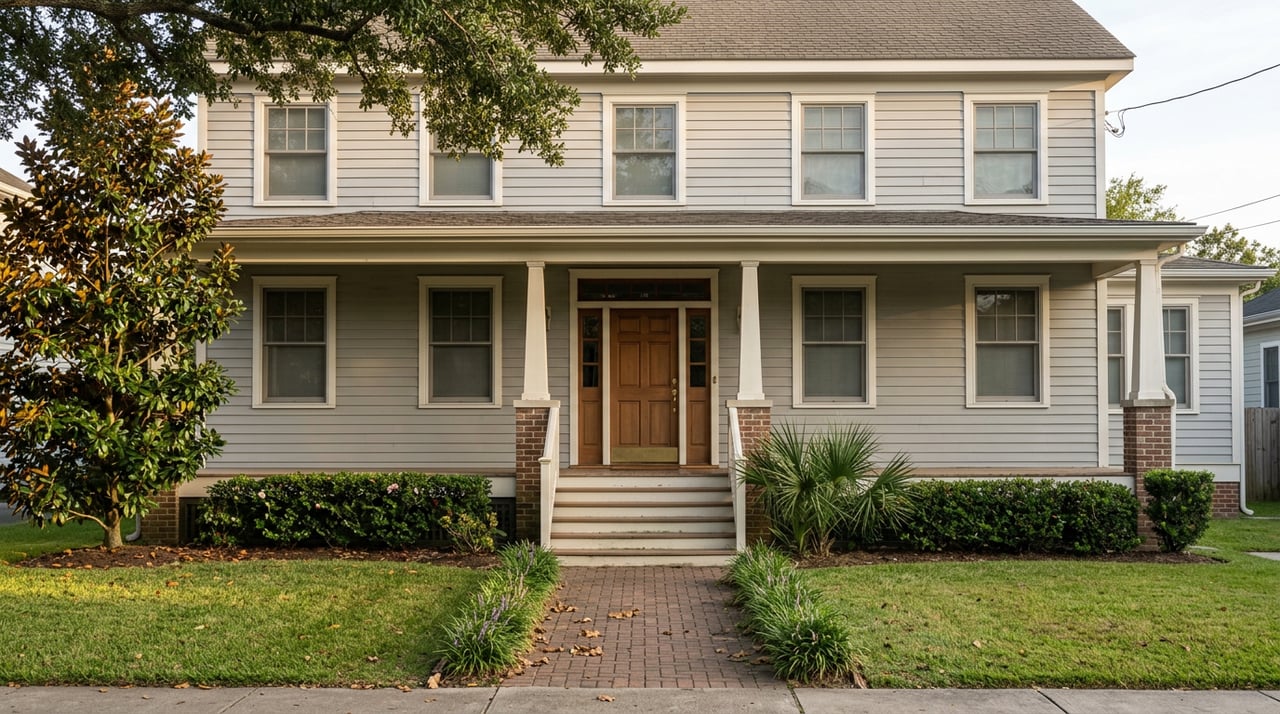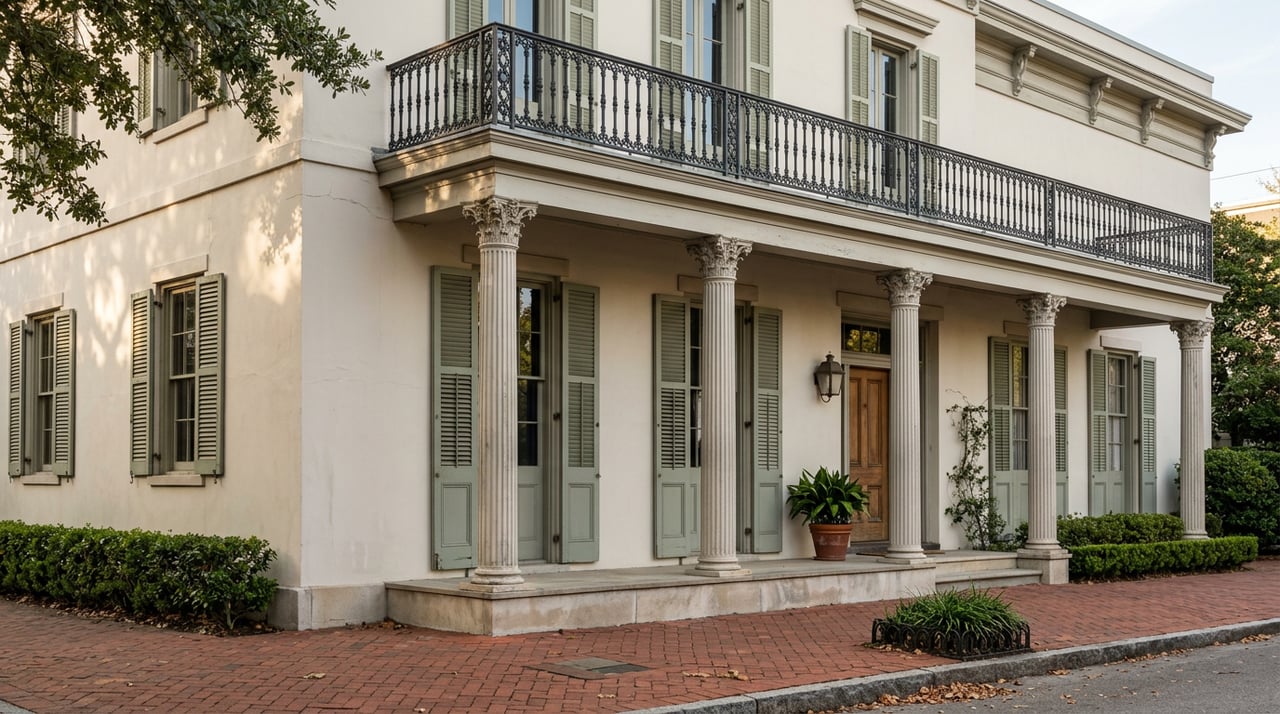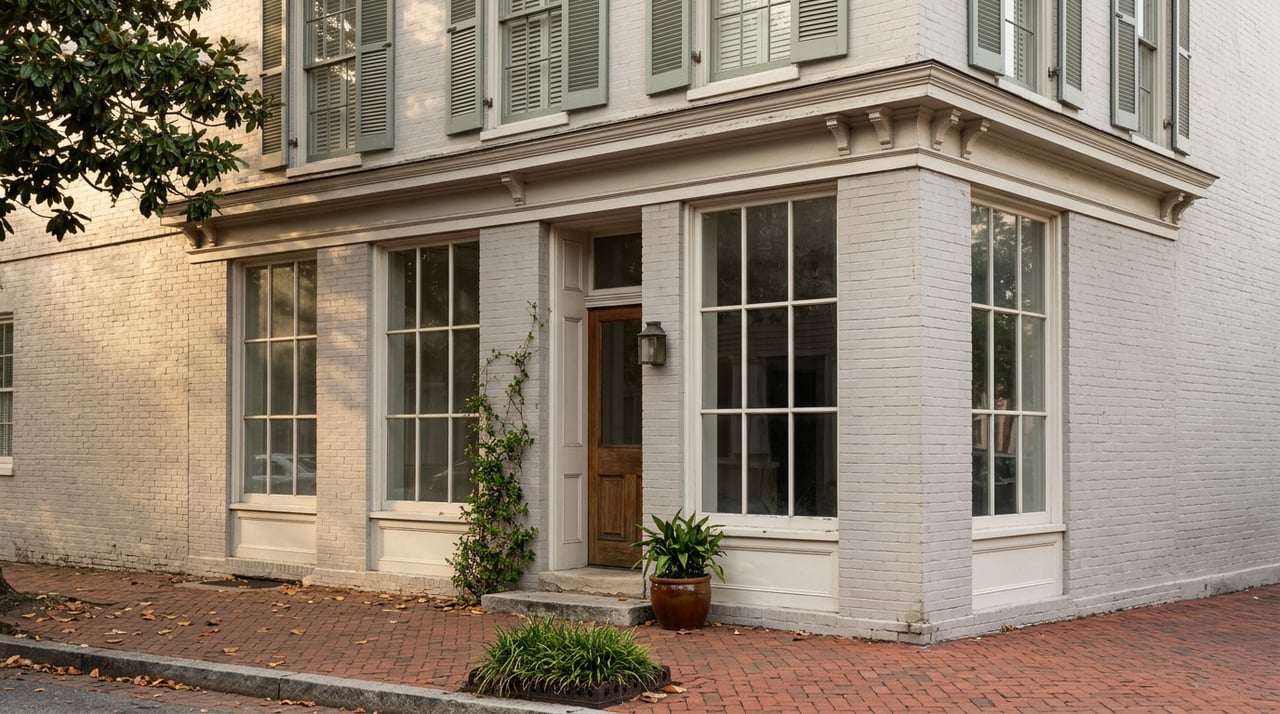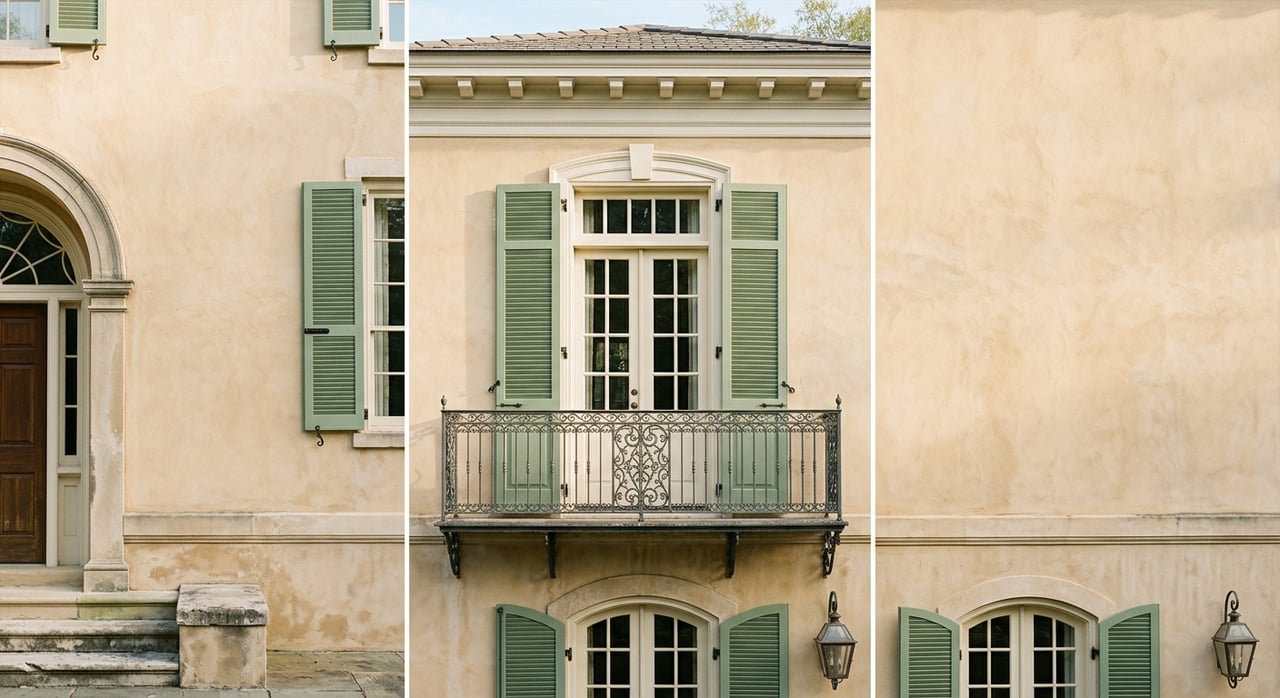
Owning or buying in the French Quarter, Faubourg Marigny, or Holy Cross can feel exciting right up until you start thinking about repairs, paint, windows, or a simple exterior update. In these historic New Orleans neighborhoods, even modest changes can trigger review, and the rules are not the same from one district to the next. If you want to plan wisely, protect a home’s character, and avoid costly delays, it helps to know which system applies and what that means before work begins. Let’s dive in.
Which Historic Rules Apply
If you are looking at property in the French Quarter, you are dealing with the Vieux Carré historic district and the Vieux Carré Commission, often called the VCC. The district generally covers the area bounded by Iberville Street, North Rampart Street, Esplanade Avenue, and the Mississippi River. For owners and buyers, that means exterior work in the Quarter follows a distinct review process.
If you are in Faubourg Marigny or Holy Cross, the rules are different. Those neighborhoods fall under the Historic District Landmarks Commission, or HDLC, rather than the VCC. The city identifies Marigny as roughly bounded by Esplanade Avenue, St. Claude Avenue, Press Street, and the Mississippi River, while Holy Cross is roughly bounded by Burgundy Street, Delery Street, the Mississippi River, and the Industrial Canal.
That distinction matters more than many people expect. These are separate review systems within the same city, and each has its own procedures, guidelines, and priorities for visible exterior changes.
French Quarter Uses VCC Review
In the French Quarter, the VCC reviews exterior work and also pays attention to features beyond the front facade in some cases. Its review can extend to courtyards, alleyways, and carriageways, depending on the property and the scope of work. If you are planning changes in the Quarter, it is smart to assume early review will be part of the process.
The French Quarter also has a color-rating system that helps determine how much scrutiny a property may receive. VCC guidance describes Purple and Blue as the highest-significance categories, Green, Pink, and Yellow as mid-tier, and Orange and Brown as lower-significance categories. In practice, higher-significance ratings usually mean tighter review and fewer changes treated as routine.
Marigny And Holy Cross Use HDLC Review
In Marigny and Holy Cross, the HDLC regulates exterior architectural features visible from a public right of way or street. That includes items many owners do not immediately think of as major work, such as roofs, windows, doors, signs, steps, fences, and paving. If a feature can be seen from the public realm, there is a good chance the HDLC may need to review it.
The HDLC does not regulate a home’s interior arrangement or use. That can be helpful if your project is truly interior-only, but once work affects visible outside surfaces, the rules shift quickly.
What Work Usually Needs Approval
One of the biggest surprises for owners is how broad the approval requirement can be. In the French Quarter, the VCC says any exterior work on private or semi-public property requires a VCC-approved permit before work begins, no matter how minor. That includes maintenance and repair, exterior alterations, rooftop items, walls, fences, walkways, driveways, gardens, signs, awnings, mounted equipment, new construction, and demolition.
In Marigny and Holy Cross, the HDLC requires approval before a private building, fence, boundary wall, sign, step, or paving is erected, altered, restored, moved, or demolished. Exterior architectural features also include roofs, windows, doors, and signs. In practical terms, even projects that feel straightforward can fall into the review process.
Small Changes Can Still Count
A common mistake is assuming that if a job does not need a standard building permit, it does not need historic approval. In HDLC districts, that is not always true. City guidance says approval may still be required for some work that otherwise would not need a building permit, including maintenance and repairs, roofing, and fencing.
For buyers planning improvements, this can affect your timeline and budget from day one. For sellers, it can shape which pre-listing updates make sense and which ones should be vetted before work starts.
Interior Work Is Usually Different
Interior-only work is generally less of a historic-review issue. The HDLC says it does not regulate interior arrangement or use, and the VCC notes that a special permit is not required for a change of use when no exterior appearance change is planned. That said, the moment a project touches the visible exterior, you should confirm the review path before your contractor begins.
Design Rules That Affect Renovations
Across both systems, the clearest guiding principle is repair before replacement. Historic review in these neighborhoods is not meant to freeze a property in time. Instead, the goal is to preserve the exterior character that gives these areas their architectural identity while allowing repairs and alterations that remain compatible with the building and the street.
That principle shapes many everyday renovation choices, especially for older homes with original materials. If something can be repaired without removing historic fabric, that is often the preferred path.
Windows And Doors Get Careful Review
Windows and doors are among the most sensitive exterior elements in both districts. The VCC reviews each window or exterior door alteration or replacement and discourages replacement systems that remove historic sash or significantly alter the frame. In HDLC districts, guidance strongly favors repairing historic wood windows.
When replacement is unavoidable, HDLC recommends matching the historic unit. It also says vinyl or aluminum replacement windows are not permitted at street elevations on historic wood windows. If you are evaluating a property and know windows are a likely project, that issue deserves early attention.
Paint Rules Differ By District
Paint is one of the clearest examples of how the neighborhoods differ. In HDLC districts such as Marigny and Holy Cross, exterior woodwork must be painted, but the HDLC does not regulate paint color. In the French Quarter, the VCC also requires exterior woodwork to be painted, but it does regulate all exterior paint colors.
That means a repainting project in the Quarter may involve a level of review that would not apply in Marigny or Holy Cross. If color is part of your design vision, that difference should be part of your planning from the start.
Fences And Site Features Matter
In HDLC districts, site elements are also closely reviewed. Guidance calls for fences and gates that are historically consistent with the main building and visually compatible with the district. Vinyl or synthetic fencing, chain-link fencing, lattice fencing, hollow-tube metal fencing, and barbed-wire-style security fencing are not permitted.
This can be especially important for owners who want to improve privacy, redefine outdoor space, or update curb appeal. Even practical site changes need to fit the architectural context.
Why Timing Matters So Much
The review process often starts with staff review first. If a proposal conforms to adopted policies, approvals can move relatively quickly. The HDLC’s ExpressLane materials say compliant Certificates of Appropriateness can be issued in 1 to 3 business days, while VCC administrative procedures say staff may issue some permits in about 3 business days if the work conforms.
More complex or less-conforming projects can take longer. In those cases, an application may move to an architectural committee or the full commission for review. That extra step is one reason experienced planning matters so much in historic districts.
Approved Plans Still Need Discipline
Another practical point is that approval is tied to the approved scope. In both systems, changes made after approval are not automatically covered by the original permit. If the project evolves, the revised work may need to be reviewed again.
That is why clear drawings, current photos, and a realistic scope upfront can save you frustration later. Last-minute substitutions or design changes can create delays that ripple through your schedule.
Unapproved Work Can Create Problems
Historic approvals are not optional paperwork. The city’s permitting rules say permits can be suspended or revoked if additional reviews are later found to be required, and VCC guidance states that unapproved work can trigger a stop-work order. For owners, that can mean unnecessary cost, downtime, and stress.
If you are buying a historic property with renovation plans, this is one of the best reasons to do your homework before closing. If you are selling, it is also a reminder to keep records for any prior exterior work.
A Smart Way To Plan Ahead
If you are preparing to buy, renovate, or sell in the French Quarter, Marigny, or Holy Cross, a little early diligence goes a long way. Start by confirming the exact district, and in the French Quarter, confirm the property’s VCC color rating as well. That alone can shape expectations for what may be considered routine and what may draw closer review.
Next, consult staff early and gather the basics before a contractor starts. Measured drawings, clear photos, and a thoughtful scope can help you move through the process more smoothly. It is also wise to assume that visible exterior changes, including shutters, paint, lights, security cameras, and window or door changes, may need approval first.
For buyers of architecturally significant homes, these rules are not simply red tape. They are part of what helps preserve the visual integrity and long-term appeal of some of New Orleans’ most prized historic streetscapes. Understanding them early can help you make more confident decisions and protect both design intent and value.
If you are considering a purchase or preparing a historic home for sale, New Orleans Luxury Living brings founder-led guidance, deep neighborhood knowledge, and a thoughtful approach to architecturally significant properties across central New Orleans.
FAQs
What historic commission reviews homes in the French Quarter?
- Homes in the French Quarter are generally reviewed by the Vieux Carré Commission, which oversees exterior work in that district.
What historic commission reviews homes in Marigny and Holy Cross?
- Homes in Faubourg Marigny and Holy Cross are generally reviewed by the Historic District Landmarks Commission for visible exterior changes.
Do exterior repairs in the French Quarter need approval?
- Yes. VCC guidance says any exterior work on private or semi-public property requires a VCC-approved permit before work begins.
Do Marigny and Holy Cross projects need HDLC approval without a building permit?
- Sometimes, yes. City guidance says HDLC approval can be required for some work that does not otherwise need a standard building permit, including certain maintenance, roofing, and fencing work.
Are interior renovations in Marigny, Holy Cross, and the French Quarter usually reviewed?
- Interior-only work is usually less of a historic-review issue. The HDLC does not regulate interior arrangement or use, and the VCC says a special permit is not required for a change of use when no exterior appearance change is planned.
Are paint colors regulated in the French Quarter, Marigny, and Holy Cross?
- Paint rules differ. The VCC regulates exterior paint colors in the French Quarter, while the HDLC does not regulate paint color in Marigny or Holy Cross.
Are replacement windows allowed in Marigny and Holy Cross historic districts?
- Replacement may be allowed in some cases, but HDLC guidance favors repair of historic wood windows first and requires replacement to match the historic unit when replacement is unavoidable.
How long do historic approvals take in New Orleans HDLC and VCC districts?
- Straightforward staff-reviewed applications can move quickly. HDLC ExpressLane materials say compliant approvals can be issued in 1 to 3 business days, and some conforming VCC staff permits may be issued in about 3 business days.