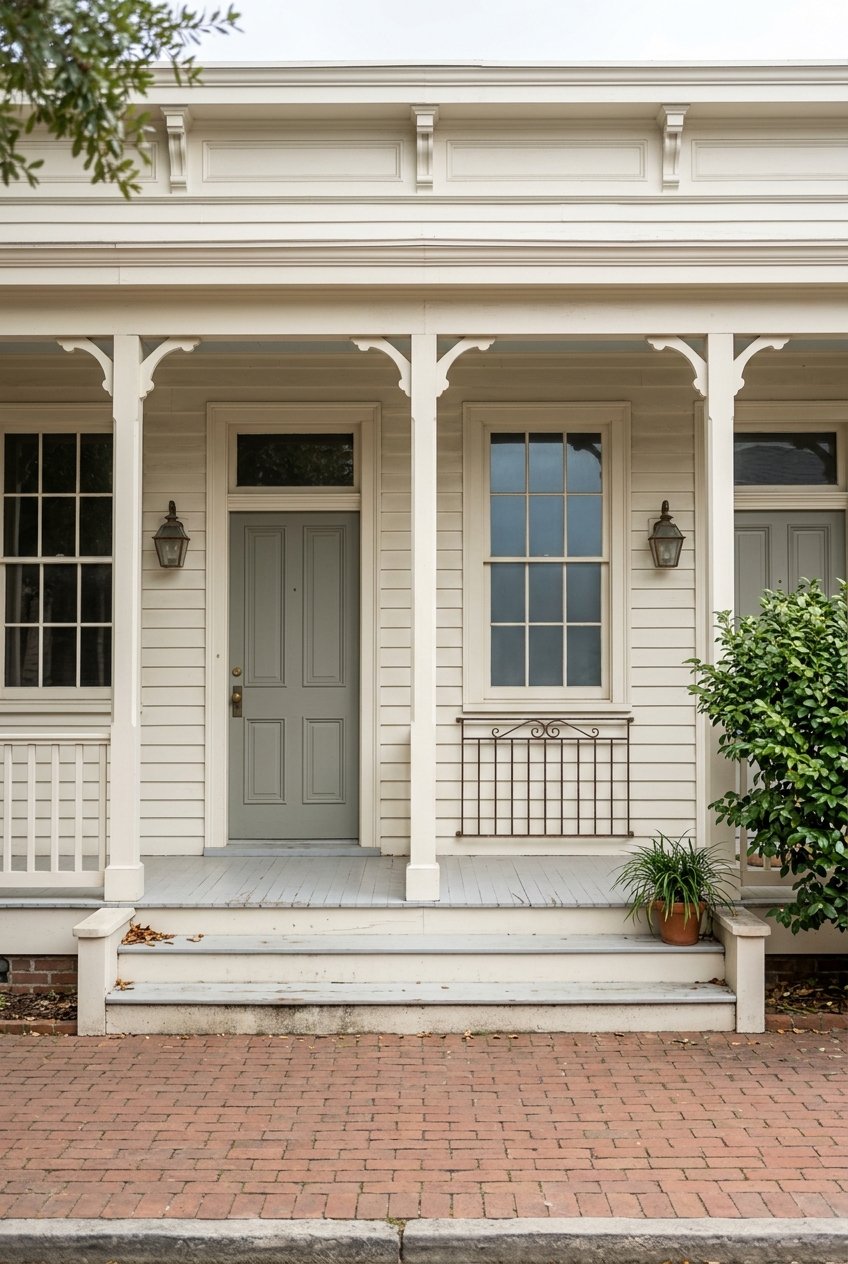
If you are looking at an Irish Channel double as a long-term investment, the numbers alone do not tell the whole story. This is a neighborhood where historic form, central-city access, and the right parcel can matter just as much as headline rent. If you want a clearer view of what makes a double work here over time, this guide will walk you through the market, the risks, and the due diligence that matters most. Let’s dive in.
Why doubles fit Irish Channel
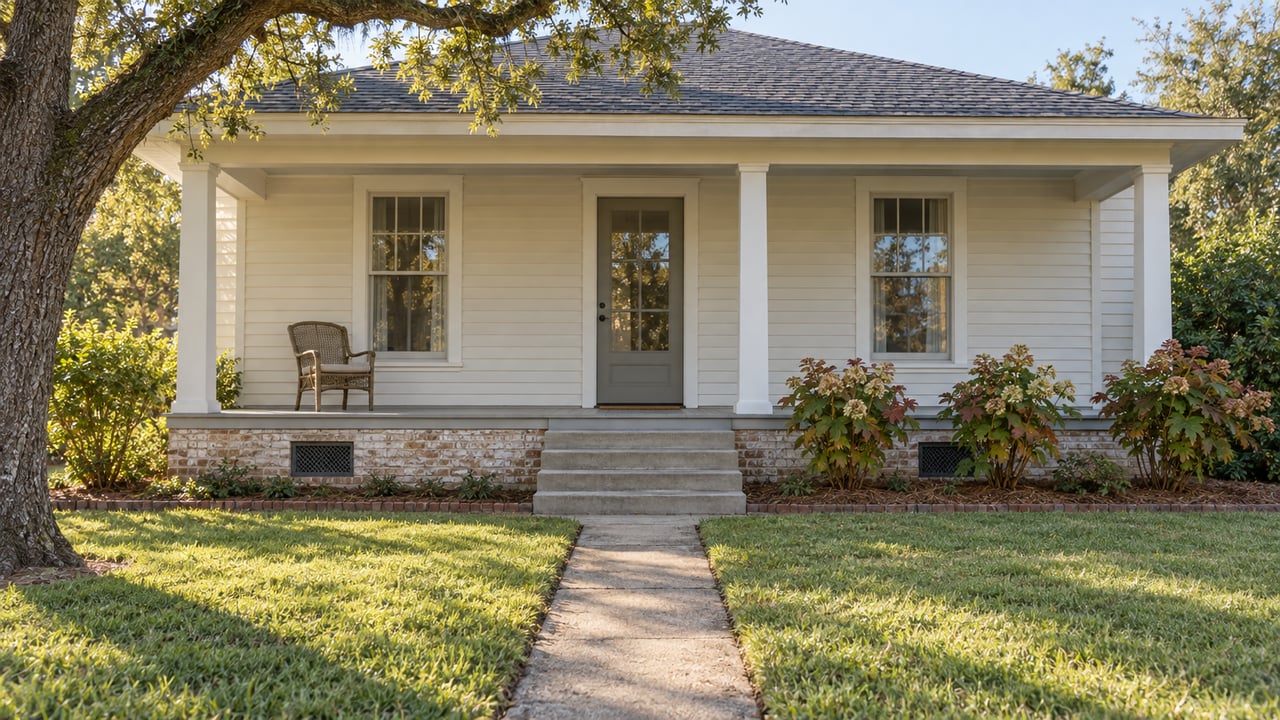
Irish Channel has a built-in logic for doubles and small multifamily properties. It is an official local historic district, and the published district description notes that the area is made up largely of simple houses, including many single and double shotgun cottages, along with some warehouse and dock-related structures dating mostly to the second half of the 19th century.
That matters because a double here is not an odd fit dropped into the neighborhood later. In many parts of Irish Channel, it is part of the area’s historic housing pattern. For a buyer thinking long term, that can support lasting demand for this property type.
The neighborhood also offers a practical lifestyle base that supports residential use. Preservation Resource Center describes Irish Channel as a desirable place to live, with restaurants and retail along Magazine Street, which helps explain why smaller historic homes and doubles continue to attract steady interest.
What the market suggests
As of April 2026, Realtor.com reported 38 homes for sale and 29 homes for rent in Irish Channel. The same data showed a median listing price of $590,000, a median rent of $1,850 per month, and a median 32 days on market.
Those figures point to an active market, but not one that should be underwritten on the hope of fast appreciation or frequent turnover. Instead, Irish Channel looks more like a neighborhood where long-term ownership, stable occupancy, and careful acquisition strategy matter most.
Using those same April 2026 medians, the neighborhood screens at about a 3.8% gross rent yield before taxes, insurance, vacancy, and maintenance. That is only a rough screening tool, not a full investment model, but it shows why your entry price and renovation budget can have an outsized effect on long-term performance.
Tenant demand in Irish Channel
Current rental inventory in Irish Channel is centered on smaller-format homes and doubles. Listings commonly fall in the 1- to 3-bedroom range, with asking rents generally in the high $1,700s to mid-$2,000s.
That rental mix suggests tenants are often paying for location, neighborhood character, and central access rather than maximum square footage. In other words, the appeal is tied to lifestyle and setting as much as unit efficiency.
For you as an investor, that can be a positive if you buy a property with strong historic appeal and a practical layout. It also means you should be cautious about assuming outsized rent growth simply because the neighborhood is well loved.
Why house-hacking can work
Irish Channel doubles can also make sense for an owner-occupant who wants to live in one unit and rent the other. A recent permit record at 520 Fourth Street shows a renovation and addition to an existing two-family residence in HU-RD2, with two units and HDLC review fees paid.
That example is useful because it shows this type of small multifamily property is not just theoretical in Irish Channel. It is part of how some owners use the housing stock today.
For a buyer who wants to offset housing costs while keeping a foothold in a strong central New Orleans location, this can be an appealing structure. Still, the property has to be evaluated address by address, not neighborhood by neighborhood.
Focus on long-term hold
Irish Channel is best viewed as a lifestyle-rental market rather than a pure cash-flow play. The long-term case is stronger when you value a rentable second unit, neighborhood character, and central-city convenience, rather than expecting unusually high rent growth.
That framing can help you make better decisions from the start. If you buy with a long horizon, realistic expenses, and a plan for steady occupancy, you are more likely to match the neighborhood’s actual economics.
This is especially important in a market where acquisition costs can be high relative to rent. A patient strategy is usually more defensible than a speculative one.
Zoning varies by parcel
One of the biggest mistakes buyers can make in Irish Channel is assuming the entire neighborhood follows one zoning pattern. It does not.
City permit examples in the neighborhood show different zoning classifications by address. The permit at 520 Fourth Street lists HU-RD2, while another permit at 610 Soraparu Street lists RD-3.
That variation means you should verify the exact zoning, overlay, and property history before you assume a building can legally function as a double, support a renovation plan, or be used the way you intend. In Irish Channel, parcel-level due diligence is essential.
Historic district rules affect the plan
Because Irish Channel is a local historic district, exterior work is not simply a design choice. The HDLC enabling legislation states that no private building, structure, or edifice may be erected, altered, restored, moved, or demolished within a historic district until a Certificate of Appropriateness has been approved for exterior architectural features.
In practical terms, that means exterior changes should be treated as a regulated part of your budget and timeline. Façade work, porches, rooflines, windows, and demolition all deserve close attention before you finalize your numbers.
The same legislation notes that interior arrangement or use is not regulated in the same way as exterior surfaces visible from a public right-of-way. That does not remove the need for permits or other approvals, but it does suggest interior changes may be more straightforward to plan than exterior alterations.
Renovation is possible, but layered
Irish Channel can support renovation projects, but the process often involves multiple layers of review. A recent permit at 610 Soraparu Street shows new construction in the historic district, RD-3 zoning, a FEMA designation, and HDLC approval in the permit history.
That is a helpful reminder that projects here can move forward, but only when the property is researched carefully and the review process is built into the timeline. If you underestimate that complexity, your hold costs and renovation budget can shift quickly.
For due diligence, the city’s own tools are the right place to begin. Where Y’At provides zoning, district, and service information by address, while One Stop is the city platform for researching permits, licenses, planning projects, and violations.
Flood risk should be built into underwriting
Flood risk is not optional math in Irish Channel. It should be part of your underwriting from day one.
City information tied to the Drainage Pump Station 01 project area specifically includes Irish Channel and states that these neighborhoods experience frequent localized flooding and repetitive losses due to regular weather events. That language should shape how you think about reserves, drainage improvements, and insurance costs.
Flood exposure can also vary by parcel. That is why it is important to pull the property’s FEMA flood status for the specific address, rather than relying on the neighborhood name alone.
Short-term rental upside is not the thesis
If you are analyzing an Irish Channel double, it is wiser to start with a long-term rental model than with nightly-rate projections. New Orleans states that no property may be used as a short-term rental without an authorized license permit, that the permit is a privilege rather than a right, and that short-term rental types are allowed only in specific zoning districts.
That makes short-term rental income a highly conditional scenario, not a stable foundation for your investment case. In a neighborhood with historic review, varying zoning, and flood considerations, adding regulatory uncertainty on top can create too much risk.
A stronger approach is to underwrite the property as a stable long-term rental or owner-occupied double first. If any additional flexibility exists later, that should be treated as a bonus rather than the core plan.
A practical underwriting checklist
Before you move forward on an Irish Channel double, focus on a few high-value checks:
- Verify the exact zoning, overlay, and service details by address through the city’s tools before assuming the property can function as a double or support your renovation plan.
- Review permit history, planning records, and any violations through One Stop.
- Treat exterior work in the historic district as a regulated scope item that may require HDLC review and approval.
- Pull the property’s flood status by parcel, not just by neighborhood.
- Model the deal on long-term rents first, keeping in mind that the neighborhood screened at about 3.8% gross yield before expenses in April 2026.
- Budget conservatively for insurance, maintenance, vacancy, and timeline delays tied to approvals.
The long-term case for Irish Channel doubles
The best investment case for an Irish Channel double is usually not about chasing the highest immediate yield. It is about buying the right parcel, respecting the neighborhood’s historic framework, and planning for a measured hold.
When the property is well chosen, a double can offer a combination of stable occupancy, neighborhood appeal, and long-term equity potential. For some buyers, especially owner-occupants or design-conscious investors, that blend can be more durable than a strategy built around speculation.
In a neighborhood like Irish Channel, patience tends to be part of the return. If you want help evaluating a historic double, renovation opportunity, or long-term hold in central New Orleans, New Orleans Luxury Living offers discreet, founder-led guidance tailored to architecturally significant properties.
FAQs
What makes an Irish Channel double different from a double in another New Orleans neighborhood?
- Irish Channel doubles fit the area’s historic housing pattern, and buyers should evaluate them with special attention to parcel-level zoning, historic district review, and flood exposure.
What does the Irish Channel market data suggest for long-term investors?
- As of April 2026, reported median pricing and rent levels suggested an active market with moderate liquidity, but one where careful acquisition basis and long-term planning matter more than chasing rapid appreciation.
What should you verify before buying an Irish Channel double?
- You should verify the exact zoning, historic overlay status, permit history, and flood designation for the specific address before making assumptions about use or renovation potential.
How do historic district rules affect an Irish Channel renovation?
- Exterior changes within the local historic district may require HDLC review and approval, so those items should be built into both the budget and the project timeline.
Why should an Irish Channel double be underwritten as a long-term rental first?
- New Orleans short-term rental use is regulated by permit and zoning, so a long-term rental model is usually the more stable and defensible starting point for analysis.