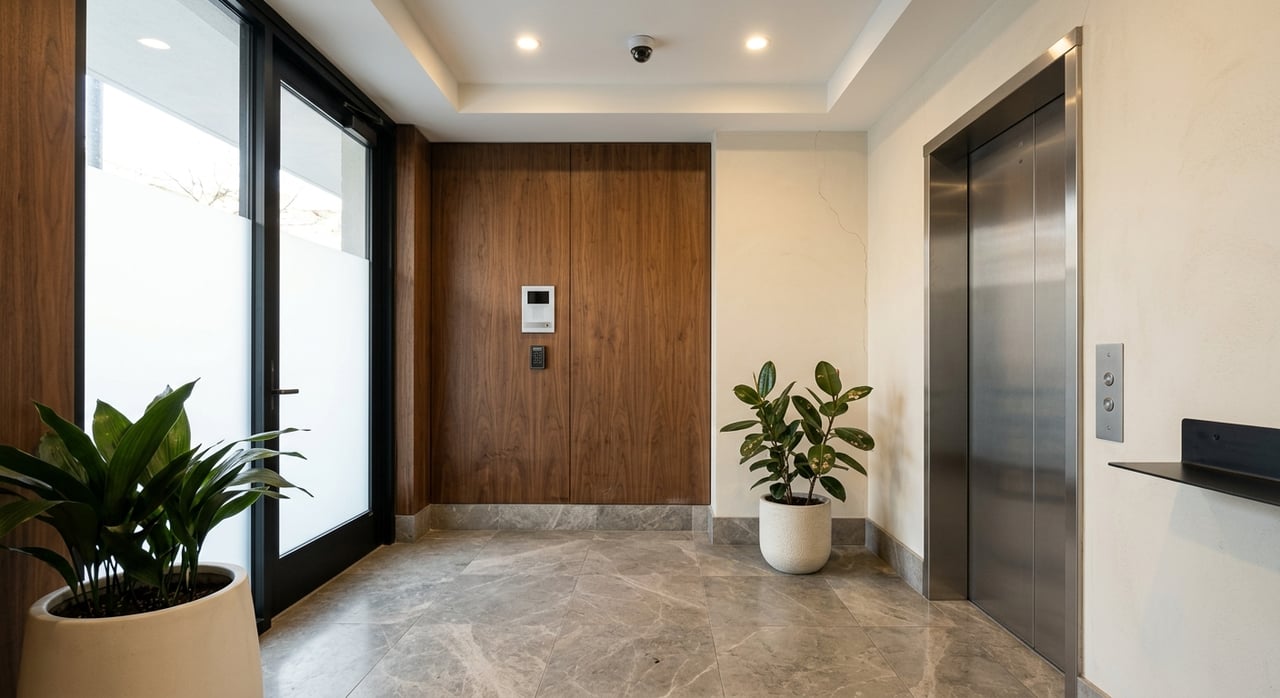
If you want a New Orleans home base that feels elegant, manageable, and easy to step away from, the CBD and Warehouse District deserve a close look. For many buyers, the appeal is not just style or location. It is the ability to lock the door, travel when needed, and return to a home that supports a simpler urban routine. In this guide, you’ll see why this part of the city works so well for lock-and-leave living, what features matter most, and how to evaluate a condo with confidence. Let’s dive in.
Why the Warehouse District Works
The Warehouse District has a built-in advantage for lock-and-leave buyers. City historic district materials describe it as a former port and commerce area that evolved into a neighborhood centered on the arts, museums, tourism, and urban apartment and condominium living, with large-scale residential conversion picking up after the 1984 World’s Fair.
That history shows up in the housing stock today. You’ll find a mix of warehouse conversions and newer mixed-use condo buildings, often in a walkable, urban setting. If you want a pied-à-terre feel instead of the upkeep of a detached house, this setting can be a strong fit.
The broader CBD adds another layer of convenience. New Orleans & Company describes downtown as the city’s business and event core, with access via the Canal and St. Charles streetcar lines and a short ride from nearby destinations. In practical terms, that means your home base sits near major venues, cultural anchors, and transportation options that support a flexible lifestyle.
What “Lock-And-Leave” Really Means
A lock-and-leave condo is not just a smaller home. It is a property designed to reduce daily friction when you are in town and lower stress when you are away. In the CBD and Warehouse District, that usually means prioritizing building features over lot size.
For many buyers, the must-haves are straightforward:
- Controlled building access
- Secure or gated parking
- Elevator access
- Package handling or lobby support
- Shared amenities like a fitness room or courtyard
- Building rules that help limit transient occupancy
- Strong sound control
- Backup power in some buildings
These features matter because of the district’s urban form. Historic district guidance notes that many older buildings sit directly on the sidewalk, were built to side property lines, and were not originally designed with off-street parking. As a result, the best lock-and-leave experience often comes from how the building is operated, not just how the unit looks online.
Condo Types You’ll See Here
The Warehouse District offers a range of residential styles, but most options fall into two broad categories.
Warehouse Conversions
These buildings often appeal to buyers who want architectural character. You may see brick, large window grids, high ceilings, and layouts shaped by the building’s original industrial use. They can offer a distinct sense of place that feels very New Orleans, especially for buyers who value design and history.
At the same time, older conversions require careful review. Since these buildings were adapted from another use, details like parking, common areas, storage, and sound separation can vary from one property to the next.
Newer Mixed-Use Condos
Newer or more recently developed buildings may lean more heavily into convenience. They often package secure access, garage parking, elevators, amenity spaces, and modern building systems in a more streamlined format.
For buyers who travel often or split time between cities, that ease can be the deciding factor. The tradeoff may be a different architectural feel, so your decision often comes down to whether you value historic character, operational simplicity, or a blend of both.
Amenities That Matter Most
Not every amenity adds equal value for a lock-and-leave owner. In this submarket, a few features tend to make the biggest difference in day-to-day comfort and peace of mind.
Controlled Access and Building Entry
Secure access is one of the first things to verify. The Kalorama at 700 Magazine Street lists 24-hour controlled access and a lobby attendant for mail and packages, which is a good example of how some buildings support a more private and managed ownership experience.
In a district with steady visitor activity and event traffic, controlled entry can shape how calm the building feels. It also affects how guests, vendors, and deliveries move through the property.
Parking and Arrival Experience
Parking is especially important here because many historic blocks were not built with off-street parking in mind. Some buildings now offer secure garage or gated parking, but buyers should confirm whether parking is dedicated, shared, attached, or managed separately.
This is not only about convenience. It is also about how you arrive, how visitors access the building, and how seamless the property feels when you come and go.
Sound, Privacy, and Interior Orientation
In an active downtown corridor, privacy is not just about square footage. Street exposure, building setbacks, elevator count, and unit orientation can all affect your experience.
The research suggests interior-facing units and strong sound control can be especially valuable in this district. The Kalorama, for example, highlights premium sound insulation, which speaks directly to a concern many part-time and executive buyers have.
Amenity Spaces and Practical Extras
Shared amenities can make the condo feel more complete, especially if you use it as a second residence. Across representative buildings in the district, common features include fitness rooms, courtyards, rooftops, pools, storage, and in some cases backup generators.
Federal Fibre Mills at 1107 South Peters Street highlights a heated pool, hot tub, fitness center, gated parking, and recreation room. Magazine Place Condos at Julia and Magazine features courtyard access behind iron gates, elevator access, parking, a gym, and a notable rooftop area. These examples show how amenity packages can vary, even within the same neighborhood.
Why Building Rules Matter
For lock-and-leave buyers, the condo association is a major part of the ownership experience. In Louisiana, condominium governance is association-based, and the unit owners’ association can adopt budgets and rules, collect common expenses, manage common elements, maintain reserves, and carry certain insurance.
That means your lifestyle in the building is shaped by more than your individual unit. The association’s policies can influence everything from maintenance standards to leasing rules to the way shared spaces are used.
This matters even more in older loft-style buildings. Louisiana law distinguishes between common elements and limited common elements, so spaces that feel private may still be governed by the condominium declaration. If a terrace, corridor, storage area, or parking space affects your decision, you want to know exactly how it is classified.
Louisiana Condo Due Diligence
When you buy a resale condo in Louisiana, the monthly HOA fee is only one piece of the picture. State law requires the seller to provide key condominium documents, including the declaration, articles, bylaws, and a certificate with information about assessments, approved capital expenditures, reserve balances, the current operating budget, recent financial statements, insurance coverage, pending suits or unsatisfied judgments, and any ground lease term.
The association must furnish that certificate within 10 days of request. The purchase contract is voidable until the certificate is delivered and for five days afterward, or until closing, whichever comes first.
For you as a buyer, that creates a clear review window. It is your chance to look beyond finishes and floor plans and understand how the building is run.
What to Review Closely
When evaluating a condo in the CBD or Warehouse District, pay special attention to:
- Current monthly assessments
- Any approved capital expenditures
- Reserve balances
- The current operating budget
- Recent financial statements
- Insurance coverage
- Pending litigation or unsatisfied judgments
- Any ground lease language
- Leasing restrictions or minimum lease terms
These items can affect both ownership costs and long-term flexibility. They also tell you a great deal about how proactive the association is.
A Strong Fit for Executive and Second-Home Buyers
The Warehouse District can be especially appealing if you need a home that supports privacy, efficiency, and ease of use. For executives and entertainment clients, the most relevant features often include controlled access, package handling, secure parking, elevator service, sound control, backup power, and rules that limit transient occupancy.
The research supports that view. The Kalorama combines controlled access, lobby support, secure garage parking, sound insulation, and backup power. Federal Fibre Mills combines gated parking with a no-short-term-rental policy and a three-month minimum lease, which can be relevant if you prefer a more stable building environment.
The neighborhood’s event density is part of the appeal, but it also means screening for privacy should be thorough. With the Superdome, Smoothie King Center, and Convention Center nearby, buyers should pay attention to street-facing exposure, service access, and how the building handles guest and vendor entry.
How to Choose the Right Condo
The best lock-and-leave condo is rarely the one with the longest amenity list. It is the one that matches how you actually live.
If you care most about design and architectural character, a warehouse conversion may feel right. If you want a smoother arrival, more structured building operations, and modern conveniences, a newer mixed-use building may be the better fit.
Before you decide, it helps to think through a few practical questions:
- How often will you be away from the property?
- Do you want dedicated parking or is secure shared parking enough?
- Would you prefer an interior-facing unit with less street exposure?
- Are package handling and controlled entry essential for your routine?
- Do leasing rules matter for your long-term plans?
- Would backup power or extra storage improve the ownership experience?
When you answer those questions clearly, your search becomes more focused and more strategic.
The CBD and Warehouse District offer a compelling version of New Orleans condo living: architectural texture, cultural energy, and a more manageable ownership model for buyers who value convenience. If your goal is a polished urban home base that supports travel, privacy, and lower-maintenance living, this submarket deserves serious attention.
A well-chosen condo here is not just a place to stay. It is a property that works quietly in the background so you can enjoy the city on your terms. If you’re considering a lock-and-leave purchase in the Warehouse District or CBD, New Orleans Luxury Living can help you evaluate buildings, amenities, and condo documents with the discretion and local insight this market requires.
FAQs
What makes a condo in the Warehouse District a good lock-and-leave option?
- A strong lock-and-leave condo in the Warehouse District usually offers controlled access, secure parking, elevator service, practical amenities, and building rules that support a stable residential environment.
Why does parking matter in Warehouse District condos?
- Parking matters because many historic buildings were not originally designed with off-street parking, so you should verify whether spaces are dedicated, shared, gated, or part of a separate arrangement.
What condo documents should buyers review in Louisiana?
- Louisiana resale buyers should review the declaration, articles, bylaws, and the resale certificate covering assessments, reserves, budget, financials, insurance, litigation, capital expenditures, and any ground lease term.
Are short-term rentals allowed in every CBD or Warehouse District condo?
- No, building rules vary, and some properties have restrictions such as minimum lease terms or prohibitions on short-term rentals.
What privacy features should buyers look for in a CBD or Warehouse District condo?
- Buyers should look at controlled entry, parking access, lobby or package handling, sound control, unit orientation, street exposure, elevator access, and how guests or service providers enter the building.