If you only know Bayou St. John from parade days and festival weekends, you are seeing just one version of the neighborhood. The daily rhythm here is quieter, greener, and more residential, shaped by the water, nearby park access, and a street pattern that supports walking, biking, and easy local routines. If you are considering a move to this part of New Orleans, it helps to understand what life feels like beyond the big public moments. Let’s dive in.
Bayou St. John Everyday Life
Bayou St. John has deep roots as a historic waterway and portage route to Lake Pontchartrain. Today, local history groups describe it as both a historic corridor and a place centered on recreation, with picnics, boating, and annual events all playing a role in how people use the area.
That said, the neighborhood does not function as a festival backdrop alone. The broader bayou area is also described by the local neighborhood association as walkable and bikeable, with strong attention to green space, local businesses, and neighborhood stewardship. In practical terms, that gives the area a lived-in feel that extends well beyond event calendars.
It is also worth knowing that neighborhood boundaries can vary depending on the source. The Data Center notes that Bayou St. John’s statistical boundaries do not always match neighborhood association or historic district boundaries, which helps explain why people may describe the area a little differently depending on context.
Why the Water Shapes the Lifestyle
The bayou itself is a major part of the neighborhood’s identity. It creates an open, scenic edge that changes the feel of daily life, whether you are heading out for a walk, meeting friends outdoors, or simply enjoying the visual break from denser city blocks.
The appeal here is not just the view. The water, nearby green spaces, and public gathering spots create a pattern of everyday use that feels active without being rushed. That balance is one reason Bayou St. John continues to attract buyers who want neighborhood character paired with access to recreation and culture.
City Park Expands Your Backyard
One of Bayou St. John’s biggest advantages is its direct relationship to City Park. At 1,300 acres, the park is free to enter, open daily, and home to a wide range of destinations, including the New Orleans Museum of Art, the Sydney and Walda Besthoff Sculpture Garden, the Botanical Garden, Storyland, Carousel Gardens, and one of the world’s largest groves of mature live oaks.
For many residents, City Park becomes part of the weekly routine rather than an occasional outing. You can start the morning with a walk beneath the oaks, return for a museum visit, or build errands and leisure time around the park’s amenities. That level of access adds real day-to-day value for buyers who want more than just a beautiful address.
Culture Feels Close at Hand
Bayou St. John also stands out for how easily cultural landmarks fit into daily life. The Pitot House, a circa 1799 West Indies-style home on the bayou, remains one of the area’s defining historic sites and sits within walking distance of the Canal streetcar, City Park, NOMA, and the Lafitte Greenway.
NOMA is another key anchor. Located in City Park, it offers Louisiana residents free admission on Wednesdays, and the Canal-City Park streetcar terminus is within walking distance of both the museum and the sculpture garden. For buyers who value architecture, history, and art, this kind of proximity can shape how a neighborhood feels over time.
Getting Around Bayou St. John
Bayou St. John works well for short local trips. The area’s walkability is best understood at the neighborhood scale, supported by a combination of residential streets, nearby destinations, the bayou edge, and access to the Lafitte Greenway and Canal streetcar.
The Lafitte Greenway, which opened in 2015 along the former Old Basin Canal path, links cyclists from the French Quarter to the heart of Mid-City on the bayou. That connection gives the neighborhood another layer of flexibility for residents who prefer to bike or want a practical route for getting around nearby parts of the city.
For buyers comparing New Orleans neighborhoods, this is an important distinction. Bayou St. John is not urban-core density, but it offers a connected lifestyle with multiple ways to move through the area without relying on long drives for every outing.
Dining That Supports Daily Routines
The dining scene around Bayou St. John feels neighborhood-oriented rather than purely destination-driven. That matters because it reinforces the sense that this is a place where people live regular, repeatable routines, not just a place they visit for special occasions.
Long-established local names help define that pattern. Café Degas on Esplanade has operated since 1986 and describes itself as a French bistro in Faubourg St. John. Parkway Bakery and Tavern in Mid-City dates to 1911, while Ralph’s on the Park offers a park-edge setting with longstanding local history.
Café NOMA adds another option inside City Park, with views onto the sculpture garden and the park itself. Together, these places support the kind of day many buyers picture when they think about quality of life here: a morning walk, lunch nearby, an afternoon in the park or museum, and dinner close to home.
Homes and Street Character
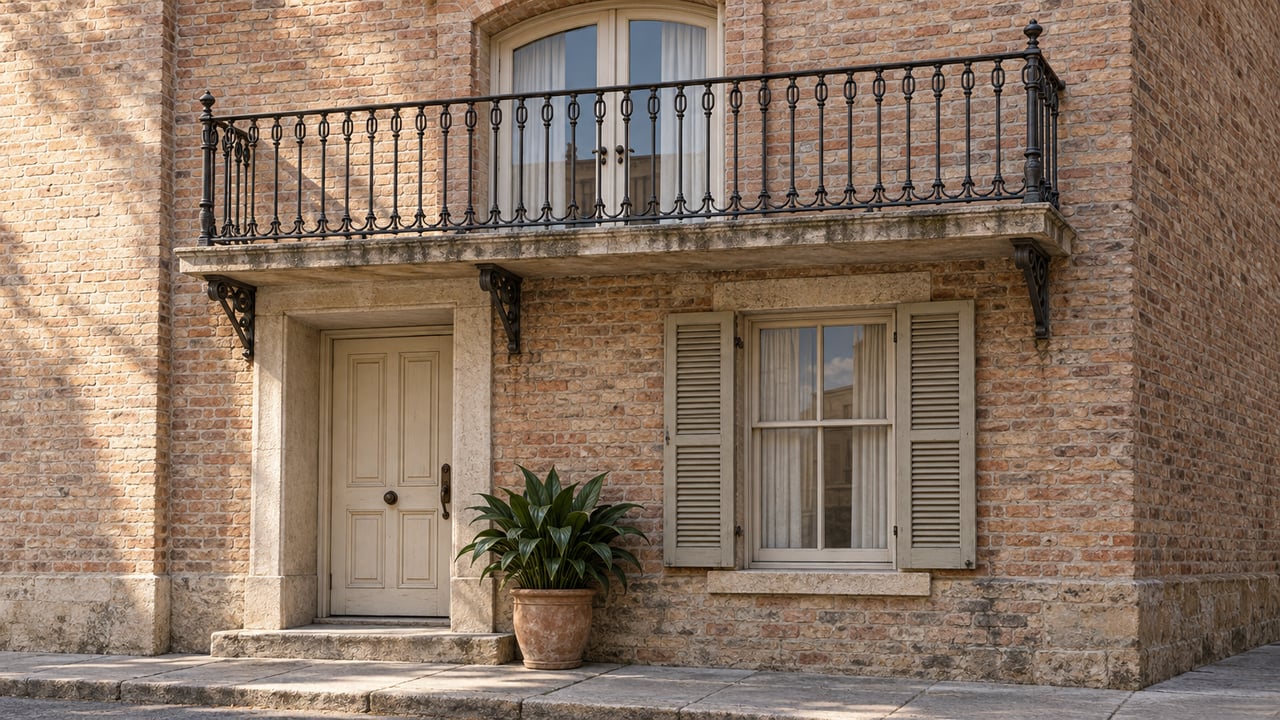
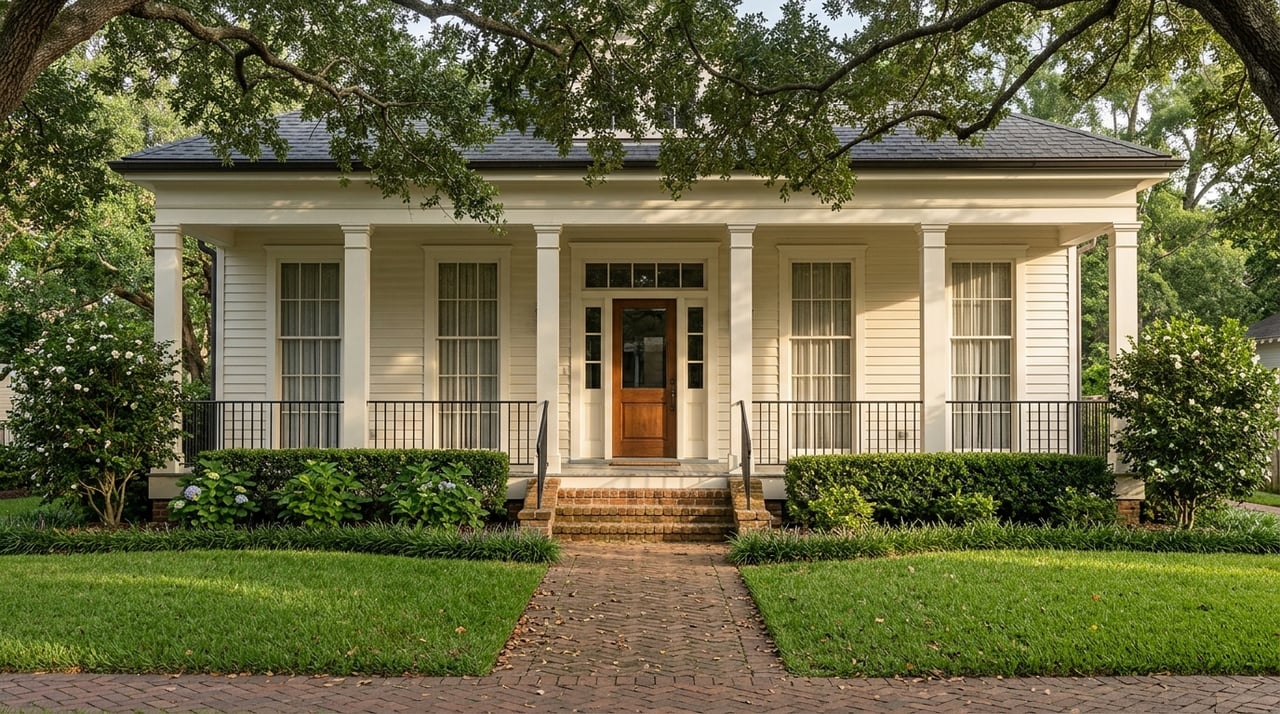
Housing in Bayou St. John is best understood as a mix rather than a single look. City planning materials for the Esplanade Avenue corridor describe single-family, two-family, and multi-family residences alongside commercial and mixed-use buildings, reflecting a long-standing pattern of varied land use.
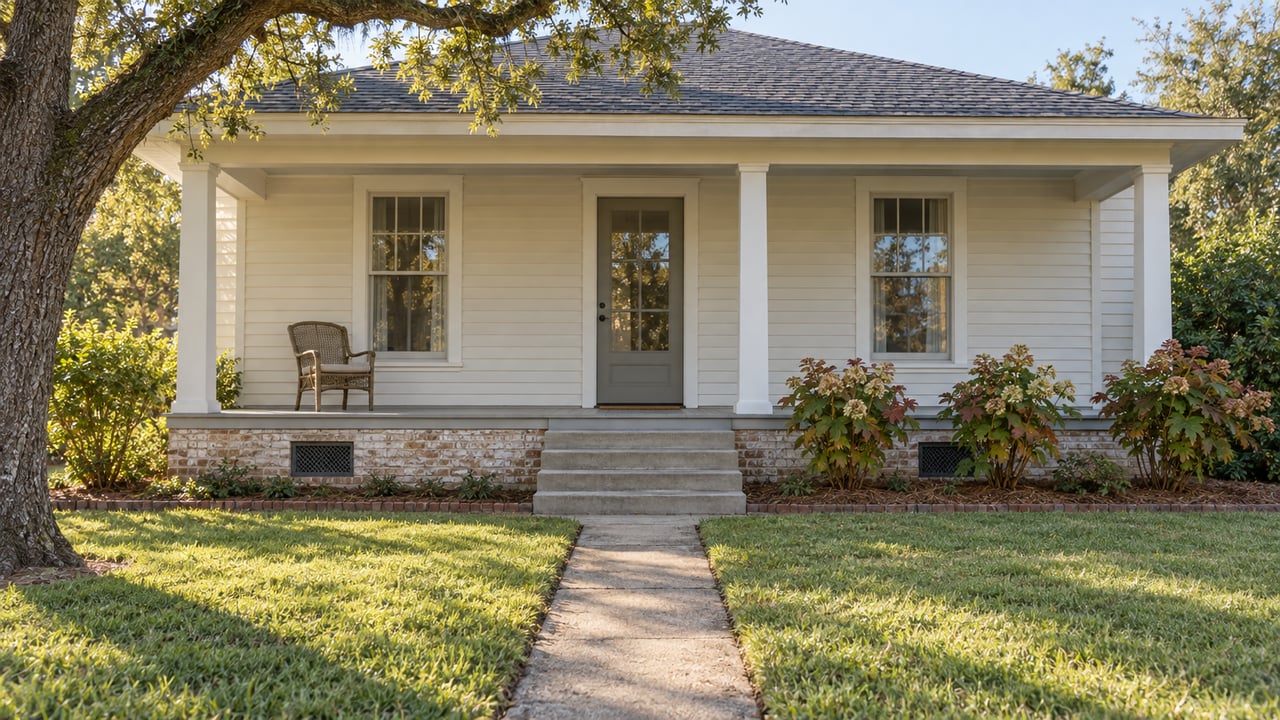
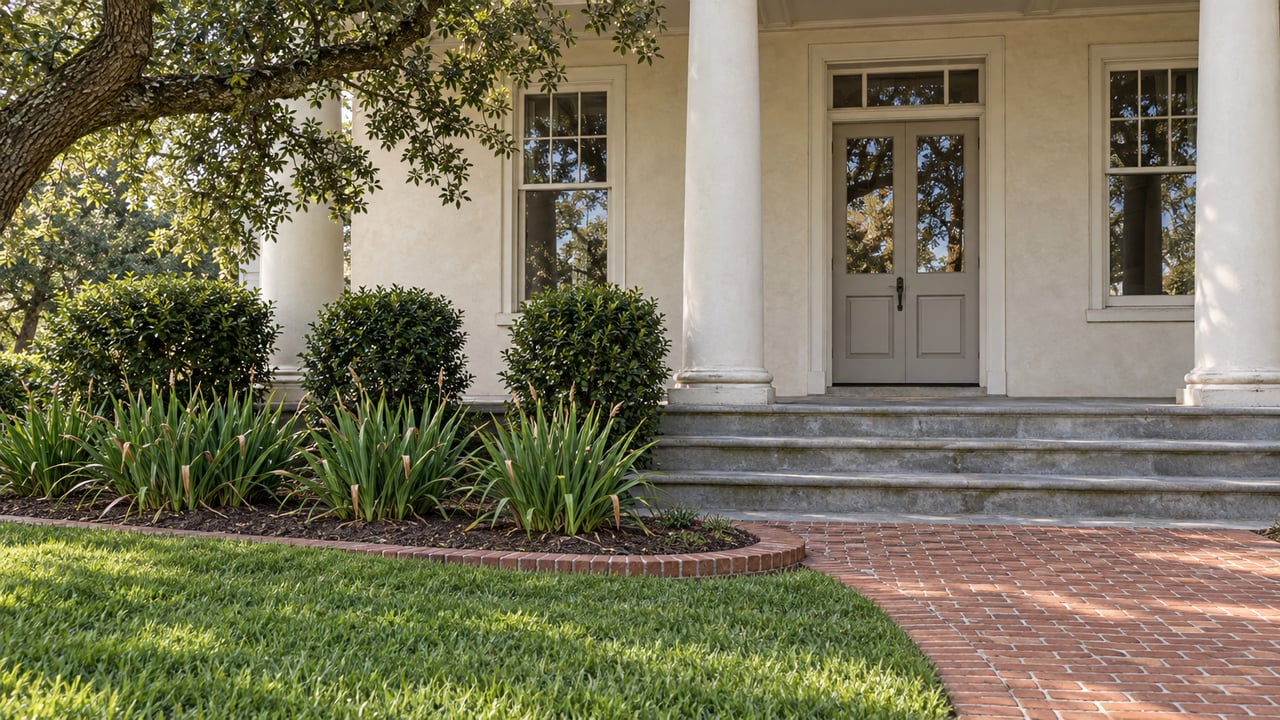
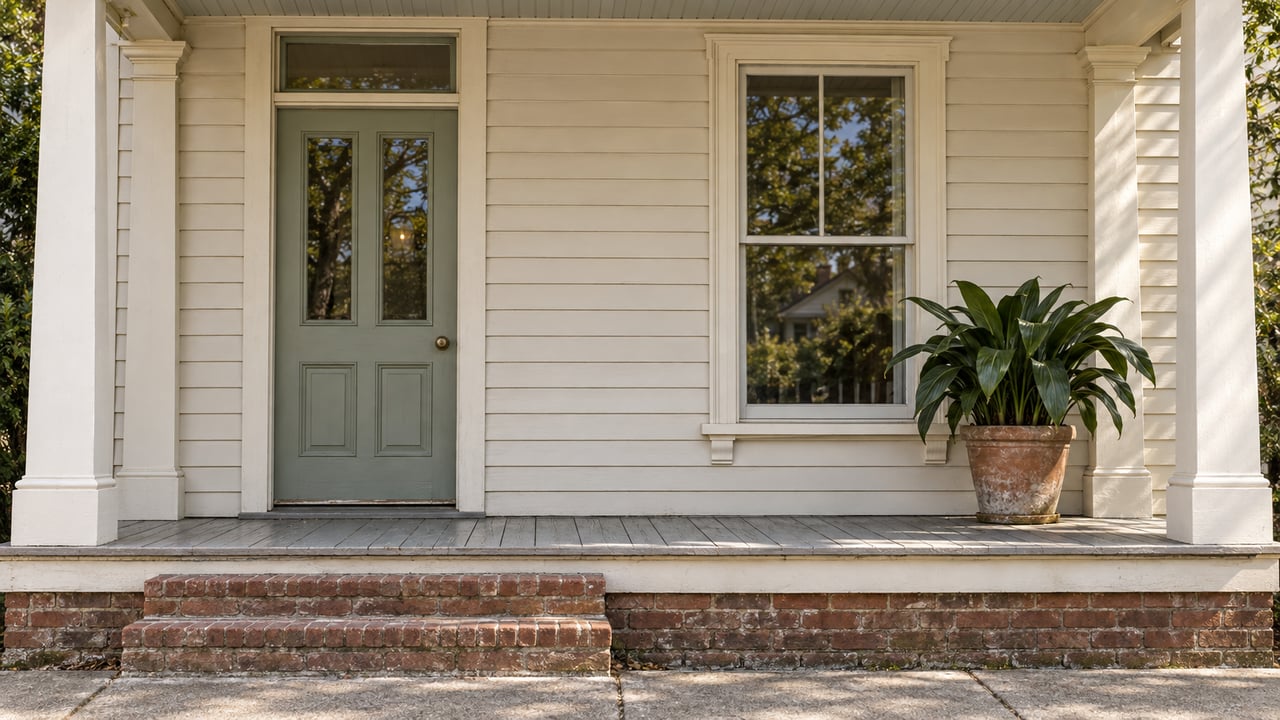
The city also describes Bayou St. John as known for historic cottages, bungalows, and colonial homes such as the Pitot House. In the nearby Parkview area, historic district materials identify shotguns as the predominant building type, along with raised basement residences, shallow front yards, street trees, and mostly wood-frame homes with gabled or hipped roofs.
For a buyer, this means the feel of the neighborhood can shift from block to block. Esplanade reads more like a historic mixed-use corridor, while interior streets tend to feel quieter and more residential. That variety is part of the appeal, especially for people drawn to older homes and layered neighborhood texture.
A Closer Look at the Numbers
Bayou St. John is a relatively small, close-in neighborhood. The Data Center reports 3,633 residents and 2,022 total housing units, with 59.2% owner occupancy.
The same profile reports an average household income of $127,295, with 28.1% of workers working from home and an average commute of 17 minutes. It also notes that 33.5% of adults hold a bachelor’s degree and 36.0% hold a graduate or professional degree.
These numbers help explain part of the neighborhood’s appeal for lifestyle-focused buyers. The area combines a residential scale with access to major amenities, and it supports both home-centered routines and quick connections to the rest of central New Orleans.
What Buyers Should Notice
If you are considering Bayou St. John, look beyond the biggest landmarks and ask how the neighborhood supports your daily life. Pay attention to how close a home feels to the bayou, City Park, the Greenway, and familiar commercial corridors.
You should also notice street character from one block to the next. Some homes sit in quieter residential pockets, while others are closer to mixed-use corridors and heavier activity. That difference can shape everything from your morning routine to how the property feels in the evening.
For design-minded buyers, Bayou St. John offers something increasingly rare: a neighborhood where architecture, landscape, and cultural access all work together. The result is a lifestyle that feels distinctly New Orleans without being defined by spectacle alone.
Whether you are searching for a historic home, evaluating a move within central New Orleans, or looking for a neighborhood with lasting cultural depth, Bayou St. John rewards a closer look. For tailored guidance on buying or selling in this part of the city, New Orleans Luxury Living can help you navigate the neighborhood with a more informed eye.
FAQs
Is Bayou St. John walkable for daily life?
- Yes. Local neighborhood association language emphasizes walkability and bikeability, and the area’s bayou edge, nearby commercial nodes, Greenway access, park amenities, and streetcar connection all support short trips on foot or by bike.
What types of homes are common in Bayou St. John?
- Buyers will find a mix that includes historic cottages, bungalows, colonial homes, shotguns, raised-basin residences, two-family homes, and some mixed-use buildings, especially along corridor streets like Esplanade.
What makes Bayou St. John appealing beyond festivals?
- The main appeal is its everyday lifestyle: water access, proximity to City Park, neighborhood dining, cultural landmarks, and a residential street pattern that supports walking, biking, and low-key recreation year-round.
How close is Bayou St. John to City Park attractions?
- Very close. City Park sits directly across the bayou and includes NOMA, the Besthoff Sculpture Garden, the Botanical Garden, Storyland, Carousel Gardens, and extensive live oak groves.
Is Bayou St. John one clearly defined neighborhood area?
- Not always. The Data Center notes that statistical neighborhood boundaries may not match local neighborhood association or historic district boundaries, so descriptions of the area can vary depending on the source.