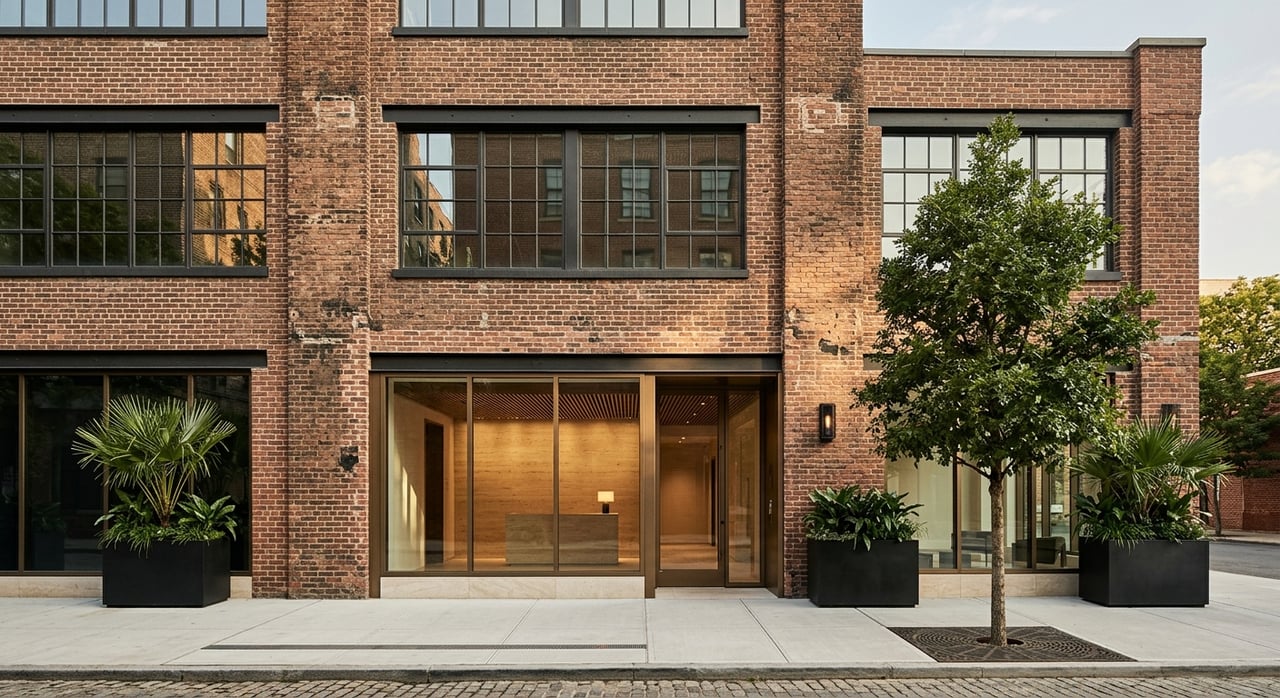
Wondering why the Warehouse District feels more livable than it did just a few years ago? You are not imagining it. New buildings are doing more than adding residences. They are changing how the neighborhood functions day to day, from street-level retail and transit access to amenities that support a more convenient urban lifestyle. If you are considering a condo, evaluating long-term value, or simply tracking where downtown New Orleans is headed, this shift matters. Let’s dive in.
Warehouse District living is evolving
The Warehouse District has long been tied to commerce and historic warehouse stock, but its identity has broadened. According to the Historic District Landmarks Commission, modern life in the area now revolves far more around tourism, the arts, museums, and apartment and condominium living.
That change shows up on the ground. Julia Street remains a major cultural corridor, with over a dozen galleries and easy access on foot and by streetcar. Across downtown, there are now 6,370 apartment and condo units, with more than 1,000 delivered since 2019, along with 243 restaurants and bars, more than 20 art galleries, and more than 9 museums.
In other words, the Warehouse District is no longer just a district you visit. It is increasingly a district where you can live full time with daily conveniences close at hand.
New buildings are changing the street
One of the biggest shifts is the rise of mixed-use development. The city’s master plan notes that many recent residential infill projects in New Orleans, most of them in the Warehouse District, include ground-floor commercial space. South Market is identified as a recent mixed-use example.
That matters because mixed-use buildings shape your experience beyond the front door. When retail, dining, and services sit at street level, blocks feel more active and useful throughout the day. You are not just coming home to a building. You are stepping into a neighborhood with more reasons to stay local.
The district’s connection to the CBD also feels more seamless than separate. New construction and renovation projects have helped blur the edge between the two, creating a more continuous downtown living environment rather than a patchwork of office zones and destination blocks.
Key projects shaping the district
Several newer projects help explain what this new phase of Warehouse District living looks like.
The Julia at Saint Charles
The Julia at Saint Charles adds 198 apartments and brings a strong live-work-play model to the area. It includes white-box retail, concierge services, 24-hour maintenance, secure controlled access, in-unit laundry, and direct streetcar access.
Its retail mix is especially important because it activates the street in a visible way. True Food Kitchen, Bearcat Baked, Main Squeeze Juice Co., and F45 Training help create a daily-use rhythm that supports residents as much as visitors.
The Standard at South Market
The Standard is a 15-story condominium project with 89 homes and 24,000 square feet of retail. It is positioned along Julia Street’s Gallery Row, which ties residential living directly into one of the district’s most established cultural corridors.
For buyers, that is a meaningful distinction. A building like this is not separated from the neighborhood’s identity. It is intentionally woven into it.
The Odeon at South Market
The Odeon rises 29 stories and includes 273 apartments, ground-floor retail, and an amenities deck with a pool, fitness area, clubhouse, green space, and outdoor cooking areas. That mix reflects a clear trend in newer downtown residential design.
Buildings are no longer offering just square footage. They are packaging convenience, leisure, and shared spaces into a lifestyle that feels more complete without requiring a large private footprint.
The Paramount at South Market
The Paramount offers luxury rentals with a saltwater pool, coworking, free Wi-Fi, a fitness center, garage access, resident events, and LEED Silver design. Its location places residents near groceries, museums, transit, and the French Quarter.
That combination says a lot about where the market is heading. Today’s buyer or renter often values ease and flexibility just as much as architectural character or address.
Other nearby examples
Projects such as 930 Poydras and 864 South Peters reinforce the broader pattern in the adjacent CBD and Warehouse District. 930 Poydras promotes rooftop-pool and sky-lobby living with walkability to the riverfront and French Quarter, while 864 South Peters combines street-level retail with office space and parking in a renovation and new-build setting.
The Kalorama, a 47-unit mixed-use development at 700 Magazine Street, adds another condominium example. Its location is described as being within walking distance of the convention center, museums, restaurants, and galleries, which reinforces how central lifestyle access has become to the value proposition.
Amenities now shape demand
A major reason new buildings are influencing Warehouse District living is simple: they reduce friction. Across The Julia, The Paramount, The Odeon, and 930 Poydras, recurring features include rooftop pools, fitness centers, secure-access systems, package rooms, bike storage, coworking areas, 24-hour maintenance, and resident events.
These details matter because they support a lock-and-leave lifestyle. If you split time between cities, travel often, or want a lower-maintenance home base near culture and dining, these features can make urban living feel far more practical.
For many buyers, especially relocators and second-home shoppers, convenience is no longer a bonus. It is part of the purchase decision.
Mobility is part of the lifestyle
Transportation and walkability are also playing a larger role in how new buildings compete. The Julia highlights two on-site streetcar stops and on-site Blue Bikes. The Paramount is a block from the Loyola Streetcar line and within walking distance of Rouses, museums, and the French Quarter.
This kind of access changes the way you use the neighborhood. You may rely less on your car for short trips and more on walking, biking, or transit to connect with restaurants, galleries, and daily errands.
Public improvements may further support that pattern. The city’s Public Works project list shows the Andrew Higgins Streetscape Project planned for Spring 2027, with earlier city updates describing a redesign that is intended to narrow travel lanes, widen sidewalks, add curb extensions, and introduce benches and greenery between the WWII Museum and the Convention Center.
Street-level activity still varies
Not every new building contributes to the street in the same way. The city notes that many newer projects still reserve ground floors for parking instead of retail because of parking demand and the difficulty of building underground parking in New Orleans.
That helps explain why some blocks feel more active and pedestrian-friendly than others. A building with shops, restaurants, or services at street level creates a different neighborhood experience than one with parking or blank frontage.
If you are comparing properties, this is worth paying attention to. The question is not only what the building offers inside, but also how it participates in the life of the block.
Arts and dining support daily life
The Warehouse District’s residential appeal is stronger because it sits inside an already established cultural ecosystem. Arts District New Orleans describes the area as home to galleries, museums, performance spaces, bars, and restaurants, with monthly First Saturday Gallery Openings on Julia Street and annual events such as White Linen Night.
That cultural depth is not separate from residential value. It is part of what makes the neighborhood feel complete. Newer projects are plugging into that existing energy rather than trying to create it from scratch.
The Julia’s street-facing retail, The Standard’s Gallery Row positioning, and South Market’s mix of restaurants, boutiques, public art, and retailers all point to the same idea. In the Warehouse District, lifestyle is increasingly built into the address.
The dining scene also supports full-time living. Nearby downtown listings include restaurants such as Pêche, Emeril’s, Cochon, and Pluck Wine Bar, showing that the area’s restaurant density is not just for special occasions. It is part of the everyday fabric of the neighborhood.
What buyers should take from this
If you are considering a Warehouse District purchase, the main story is not simply that there are more units. It is that the neighborhood is becoming deeper and easier to live in.
You can now find newer residences with secure access, parking, package handling, concierge-style services, coworking, fitness spaces, and walkable access to groceries, transit, museums, dining, and galleries. That combination can be especially appealing if you want a lower-maintenance home with strong lifestyle value.
It is also smart to compare buildings beyond finishes and price per square foot. Look closely at ground-floor use, access to transit, nearby daily services, and how well a building connects to the surrounding streetscape. Those details often shape your day-to-day experience as much as the unit itself.
What sellers should watch
For sellers, the rise of new buildings signals a broader neighborhood trend. Downtown’s 2026 State of Downtown report shows 39.6 million visits in 2025 and a 7% year-over-year increase in residential population, suggesting that more people are living in and using the urban core.
That kind of growth can strengthen interest in well-located residences, especially those that align with the district’s current appeal. Buyers are not just shopping for four walls. They are evaluating convenience, access, amenities, and the surrounding cultural environment.
In a market like this, presentation and positioning matter. A residence that clearly speaks to lifestyle, design, and neighborhood context is often easier for buyers to understand and value.
Why this shift matters long term
The most important takeaway is that the Warehouse District is moving from a destination district to a lived-in neighborhood. New buildings are acting as the bridge between the area’s historic fabric and the expectations of modern urban living.
That does not mean every project looks or feels the same. Some lean harder into retail and street activation, while others focus more on private amenities and parking. But together, they are reshaping what it means to live here.
If you are thinking about buying or selling in the Warehouse District, understanding that bigger story can help you make a smarter decision. For tailored guidance on luxury condos, penthouses, and architecturally significant homes in central New Orleans, connect with New Orleans Luxury Living.
FAQs
How are new buildings changing Warehouse District living?
- New buildings are adding residences, amenities, street-level retail, and mixed-use design that make the Warehouse District feel more like a full-time neighborhood rather than a place people mainly visit.
What amenities are common in newer Warehouse District buildings?
- Common features include pools, fitness centers, secure access, package rooms, coworking spaces, bike storage, 24-hour maintenance, parking, and resident event spaces.
Why does ground-floor retail matter in the Warehouse District?
- Ground-floor retail can make a block feel more active and convenient by adding dining, services, and storefront activity, while buildings with parking at street level may feel less connected to daily neighborhood life.
Is the Warehouse District connected to the CBD?
- Yes. Recent infill and mixed-use development have made the transition between the Warehouse District and CBD feel more seamless, creating a more continuous downtown living environment.
What should buyers compare in Warehouse District buildings?
- Buyers should compare amenities, parking, transit access, walkability, nearby daily services, and whether the building contributes to an active street experience through retail or mixed-use design.
Why are more people considering the Warehouse District for full-time living?
- The area now offers more housing, more daily conveniences, strong access to arts and dining, and a growing residential population, which together support a lower-maintenance urban lifestyle.