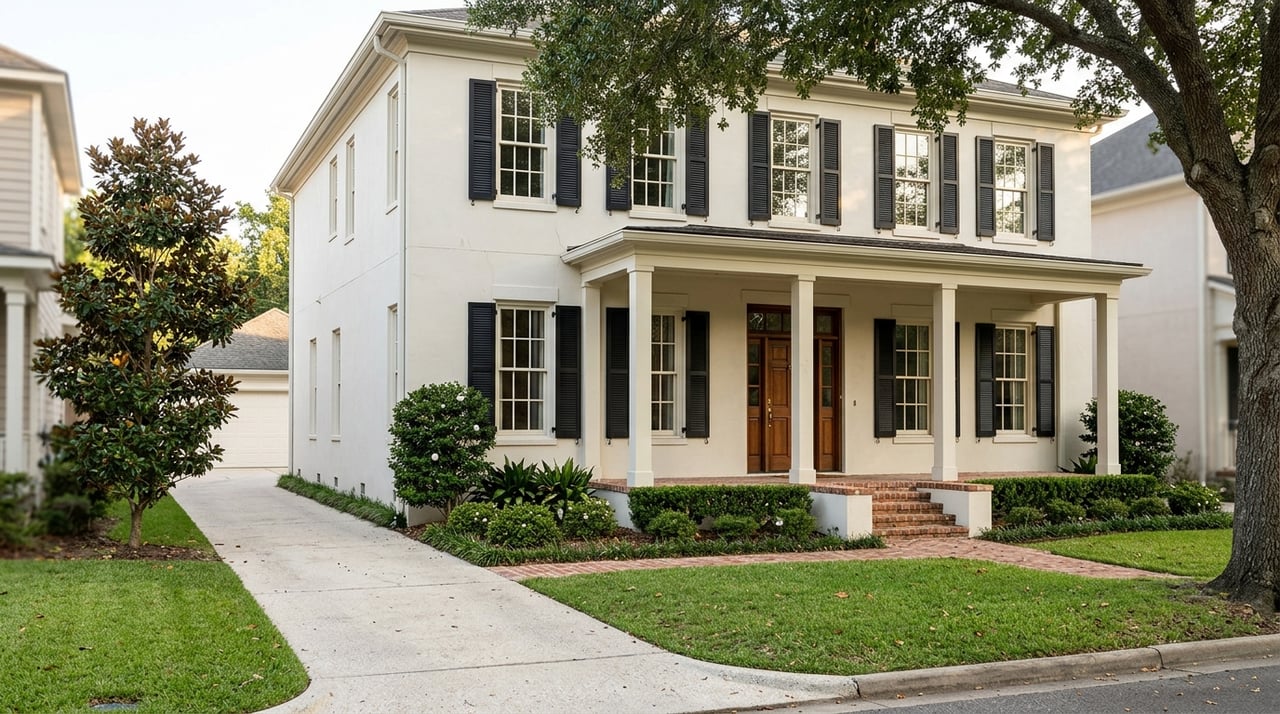
If you are planning a move-up purchase in greater New Orleans, one question comes up again and again: do you want the polished rhythm of Uptown or the quieter, corridor-centered charm of Old Metairie? Both areas attract buyers who care about architectural character, mature streetscapes, and a strong sense of place, but they live very differently day to day. This guide will help you compare layout, lifestyle, transit, renovation rules, and overall fit so you can make your next move with more clarity. Let’s dive in.
Old Metairie vs Uptown at a Glance
For many buyers, the difference comes down to urban historic living versus a more suburban-leaning historic setting. Uptown is shaped by a more consistent residential grid, long narrow lots, and a stronger walking and streetcar framework. Old Metairie centers more around the Metairie Road corridor, with a mix of original homes, later infill, and quieter residential streets branching off the main spine.
If you want a neighborhood that feels block-by-block cohesive, Uptown often delivers that experience more clearly. If you prefer a recognizable main street with a calmer residential backdrop and easy access to East Jefferson, Old Metairie may feel like the better match.
Architecture and Streetscape
Old Metairie’s layered character
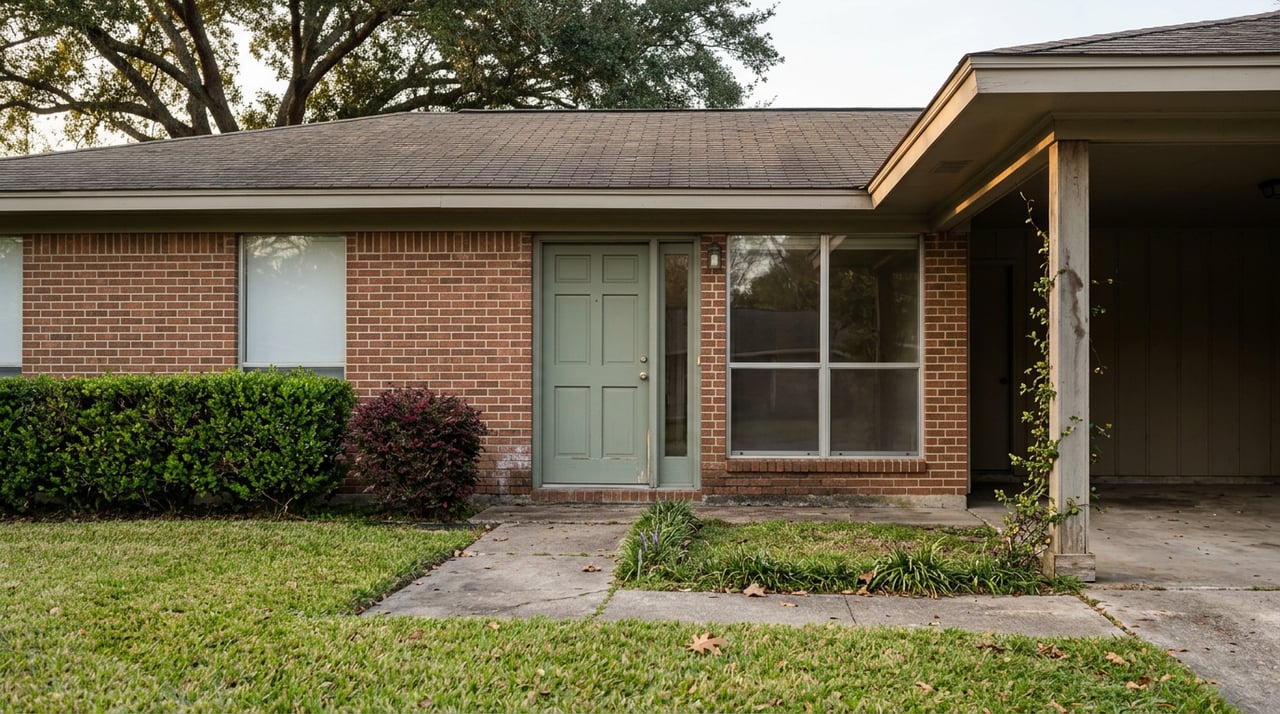
Old Metairie grew from a 1915 streetcar-era boom, and areas like the former Metryclub Gardens became early exclusive residential pockets. Many original homes still remain, but later replacement homes, especially from the 1990s, introduced larger houses in historically inspired styles. That mix gives the area a layered look rather than a single uniform architectural story.
For a move-up buyer, that can be appealing if you like variety and the possibility of finding a home that blends older charm with newer scale. It can also mean the feel of the street changes more from block to block than it does in Uptown.
Uptown’s more consistent historic fabric
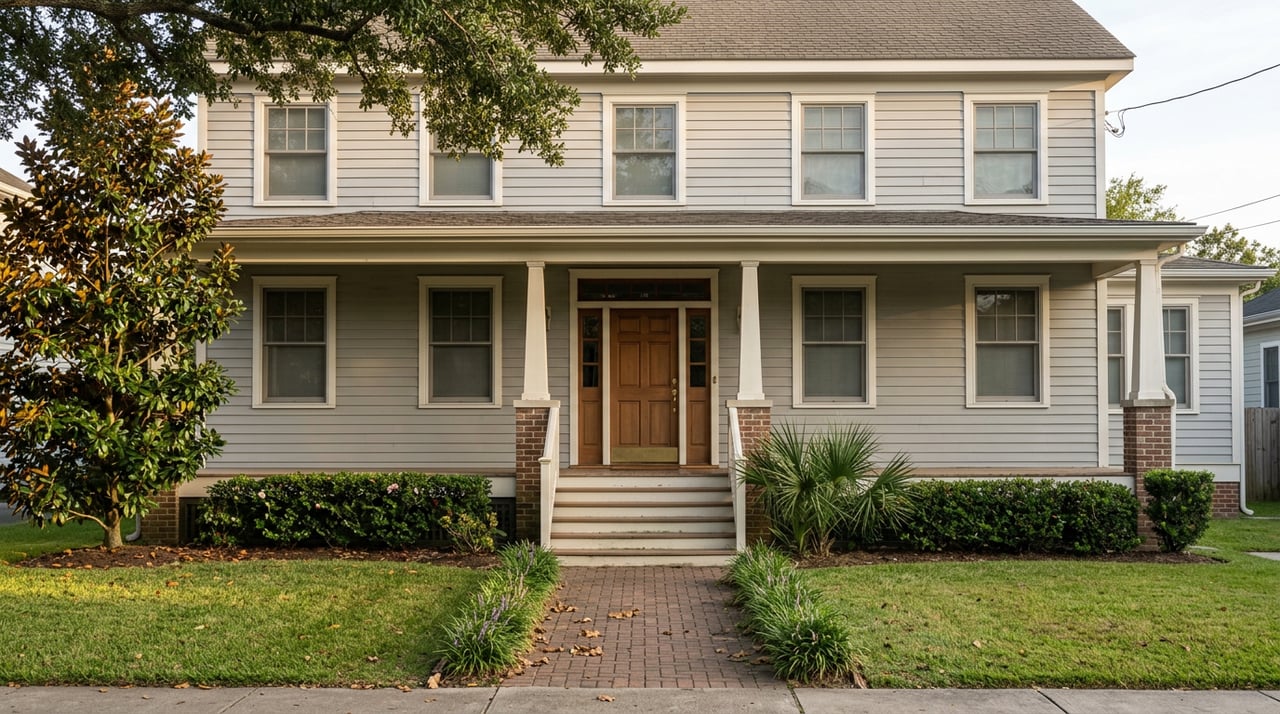
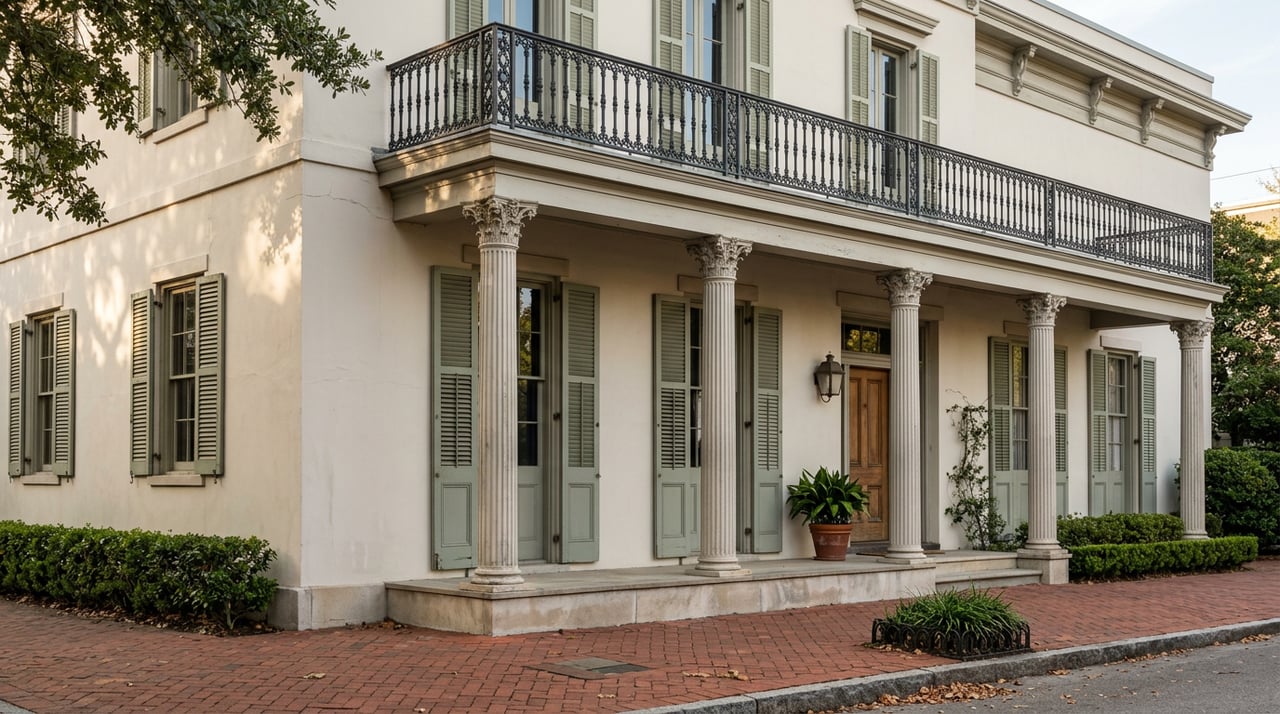
Uptown has a more legible historic streetscape. According to the Historic District Landmarks Commission, the area is defined by a residential grid with narrow frontage, deep lots, shallow front yards, and street parking as the norm. Historic styles commonly include Greek Revival, Italianate, Eastlake, Arts and Crafts, and Colonial Revival, and more than half of the buildings are shotguns or camelbacks.
That consistency matters when you are buying for long-term lifestyle. If you want a neighborhood where the architecture, street pattern, and scale feel cohesive over many blocks, Uptown often reads more clearly.
Lot Patterns and Everyday Feel
What life feels like in Old Metairie
Along Metairie Road, Jefferson Parish found small lot sizes, a narrow right-of-way, limited parking supply, and buildings often set close to the street. Many side streets dead-end or do not connect to major roadways, which tends to funnel traffic back onto Metairie Road. At the same time, the corridor has pedestrian scale, mixed residential and commercial uses, and access to multiple transit routes at Severn Avenue and Airline Highway.
In practical terms, Old Metairie often feels most walkable around its commercial spine. Once you move deeper into the residential side streets, the experience tends to shift toward a more car-first routine.
What life feels like in Uptown
Uptown’s lot pattern creates a different rhythm. The neighborhood’s historic grid, grass strips between sidewalk and roadway on many blocks, mature street trees, and deep lots support a streetscape that feels more continuous. Street parking is common, but the overall layout tends to reinforce walking between homes, shops, and neighborhood destinations.
If your ideal move-up home includes a stronger sense of block-by-block walkability, Uptown usually has the edge. If you are comfortable with a lifestyle anchored by a main corridor and short drives, Old Metairie can still offer plenty of appeal.
Commute and Mobility
Uptown’s transit advantage
For buyers who want city-centered living, Uptown stands out for transit access. The St. Charles streetcar provides easy access to the CBD and the Vieux Carré, and its long history is part of the neighborhood’s identity. That makes transit feel like a real lifestyle feature, not just an extra convenience.
If you split your time between home, downtown, and neighborhood dining or shopping, this can be a meaningful advantage. It supports a more urban daily rhythm.
Old Metairie’s road-centered convenience
Old Metairie works differently. Jefferson Parish describes Metairie Road as the principal artery through the area, carrying both neighborhood and regional traffic between the Orleans Parish line and Airline Highway. JP Transit also notes that the former E4 Metairie Road bus has been replaced with the Move Metairie on-demand Lyft service, operating Monday through Friday in the district.
That points to a transportation pattern that is more road-centric overall. For many buyers, that is not a drawback. It simply means your daily routine will likely rely more on driving than on fixed-route transit or a streetcar line.
Lifestyle Fit for Move-Up Buyers
Why buyers choose Uptown
Uptown is the city’s largest National Register Historic District and includes Audubon Park, more than 10,000 historic buildings, shops and groceries, and commercial activity concentrated on Magazine Street. Corner stores and restaurants are scattered throughout the area, and mature street trees help reinforce a strong neighborhood identity.
For move-up buyers, Uptown often fits a lifestyle built around access, historic character, and a more urban pattern of living. If you value being able to move between home, park, dining, and shopping within a well-established historic framework, Uptown may feel especially compelling.
Why buyers choose Old Metairie
Old Metairie offers a different kind of everyday appeal. The Louisiana Legislature designated Metairie Road as a business and cultural district stretching from the Jefferson-Orleans line at the Seventeenth Street Canal west to Severn Avenue near Airline Drive. The corridor functions as a historic route and a community of shops, coffee houses, restaurants, and professional buildings.
In parish public-input work for the Metairie Road study area, residents praised mature trees, a small-town feel, locally owned businesses, and convenience to East Jefferson. For a move-up buyer, that can translate into a quieter lifestyle with a recognizable main street and a strong neighborhood identity centered around the corridor.
Renovation Rules Matter
Old Metairie review process
If you are considering a home you may expand, redesign, or rebuild over time, Old Metairie requires careful due diligence. Jefferson Parish says the Old Metairie Commission reviews new houses, demolition, and items such as swimming pools within the Old Metairie Neighborhood Conservation District. Application materials can include surveys, elevations, floor plans, and tree-protection and landscape plans.
That means renovation planning should start early. If your next home needs changes to fully suit your lifestyle, you will want to understand the review process before you buy.
Uptown preservation review
Uptown has a separate preservation framework. In 2017, the New Orleans City Council approved local historic districts for Uptown and Carrollton, with partial-control demolition review across the district and full-control review on St. Charles and South Carrollton frontages.
For buyers, the takeaway is simple: both areas require rule-checking, but the governing body and scope are different. If future flexibility matters to you, this is one of the most important parts of your search.
Which Area May Suit You Best?
Choosing between Old Metairie and Uptown is less about which one is better and more about which one better supports your version of home. Both offer architectural interest and established identity, but they deliver those qualities in different ways.
Uptown may be the stronger fit if you want:
- A more urban historic setting
- Consistent streetscapes block after block
- Stronger walkability
- Streetcar access tied into daily life
- Easy access to parks, shops, and commercial corridors within the neighborhood
Old Metairie may be the stronger fit if you want:
- A quieter, corridor-based neighborhood feel
- A mix of original homes and larger later residences
- A recognizable main street in Metairie Road
- Convenience to East Jefferson
- A lifestyle that balances character with a more car-oriented routine
For many move-up buyers, the real decision comes down to how you want your home to function every day. Do you picture a more urban rhythm with deeper neighborhood connectivity, or do you want a calmer residential setting anchored by a familiar commercial corridor?
A thoughtful home search in either area should look beyond square footage and finishes. Street pattern, lot layout, parking habits, transit options, and renovation rules all shape how a home will feel after the excitement of closing day has passed.
If you are weighing Old Metairie against Uptown for your next move, working with an advisor who understands architecture, neighborhood nuance, and long-term fit can make the process far more strategic. For a tailored, private conversation about your next purchase, connect with New Orleans Luxury Living.
FAQs
What is the main difference between Old Metairie and Uptown for move-up buyers?
- Uptown generally offers a more urban historic grid with stronger walkability and streetcar access, while Old Metairie is more centered on the Metairie Road corridor and tends to support a more car-oriented daily routine.
Does Uptown or Old Metairie have more consistent historic architecture?
- Uptown tends to have a more continuous historic streetscape, while Old Metairie usually shows more variation between original homes, later infill, and larger replacement houses.
Is Old Metairie walkable for daily errands and dining?
- Old Metairie has pedestrian scale and a mix of uses along Metairie Road, so walkability is strongest around that main corridor rather than throughout every residential street.
Does Uptown offer better transit than Old Metairie?
- Yes. Uptown has the St. Charles streetcar and a stronger city-centered transit framework, while Old Metairie is more road-centric and uses the Move Metairie on-demand Lyft service in place of the former E4 bus.
Do homes in Old Metairie and Uptown face renovation review?
- Yes. Old Metairie falls under review by the Old Metairie Commission, and Uptown has local historic district review rules approved by the New Orleans City Council, so buyers in both areas should confirm requirements early.
Which neighborhood may be better for a quieter move-up lifestyle near New Orleans?
- Old Metairie may appeal more if you want a quieter setting with mature trees, a small-town feel, and a neighborhood identity anchored by Metairie Road.