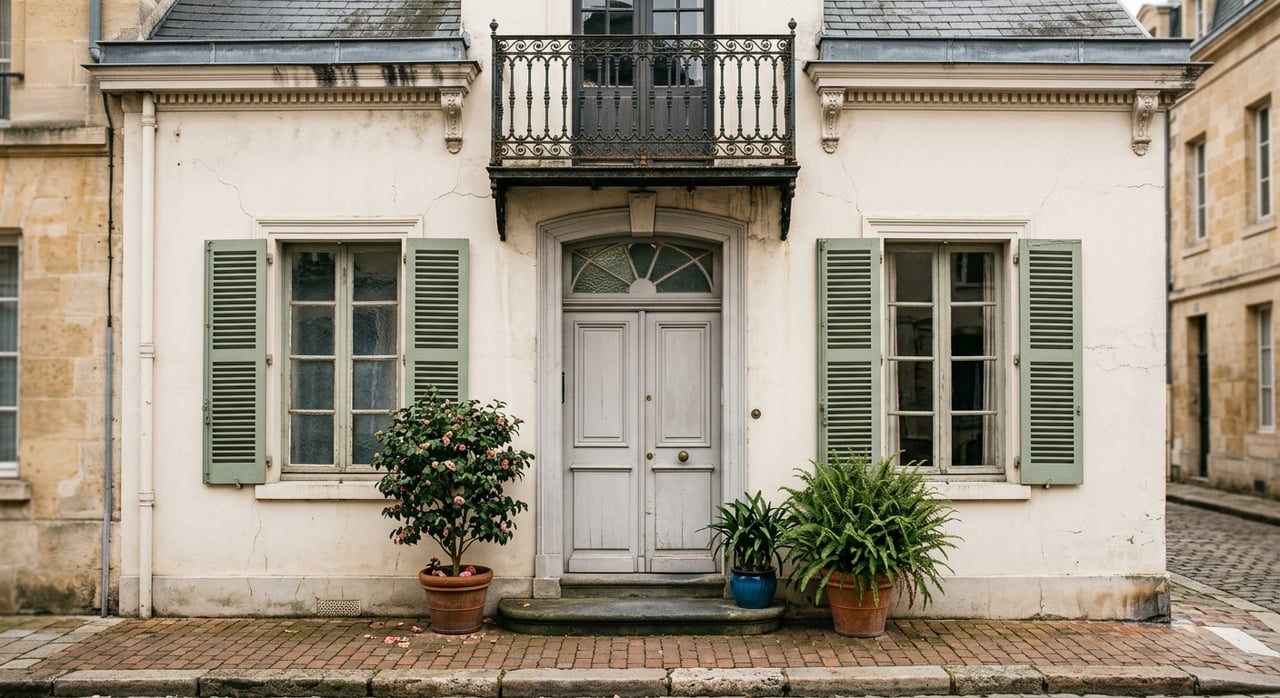
Looking for a New Orleans foothold that feels equal parts historic, walkable, and deeply local? Buying a pied-à-terre in the French Quarter or Marigny can be a smart lifestyle move, but it comes with very specific trade-offs around property type, historic review, insurance, parking, and rental rules. If you want a second home that fits your plans instead of surprising you later, this guide will help you compare these neighborhoods with clear, local context. Let’s dive in.
French Quarter vs Marigny
A pied-à-terre works best when the neighborhood matches how you actually plan to use it. In this part of New Orleans, the French Quarter and Marigny can feel close on a map, yet live quite differently day to day.
The French Quarter, also known as the Vieux Carré Historic District, is bounded by Iberville Street, the Mississippi River, Esplanade Avenue, and North Rampart Street. It remains a true residential neighborhood with more than 3,300 residents and nearly 4,600 housing units, even while serving as one of the city’s most recognized destination districts.
Marigny sits immediately downriver from the French Quarter. It offers a historic setting too, but with a more varied residential pattern and a slightly less tourism-heavy rhythm outside the most visited core blocks.
For some buyers, that difference is the whole decision. If you want the most iconic address and are comfortable with tighter rules and a denser visitor environment, the French Quarter may fit. If you want historic character with a bit more everyday flexibility, Marigny often deserves a closer look.
What homes look like here
French Quarter property style
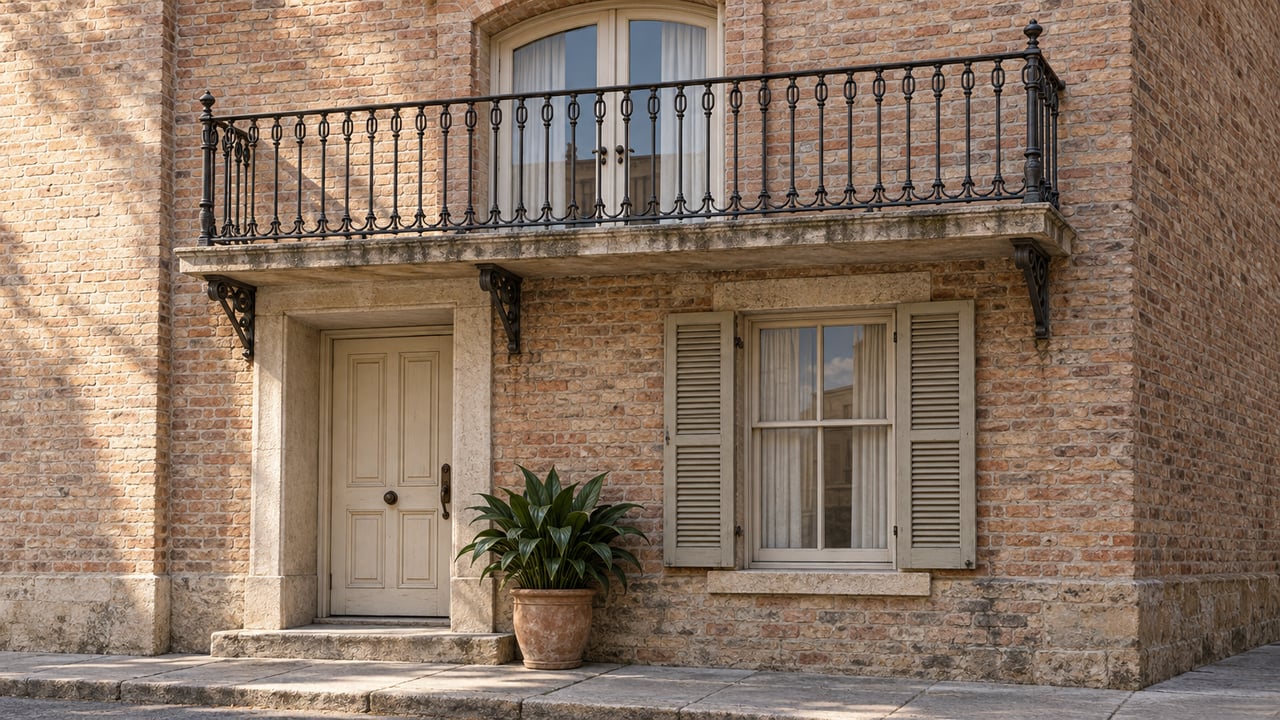
French Quarter housing stock often centers on two- to four-story masonry townhouses built on long, narrow lots. Some include rear service buildings or courtyards, which can add charm but do not always translate to expansive private outdoor space.
For a pied-à-terre buyer, that usually means a compact footprint, strong architectural detail, and a more vertical layout. If your goal is a lock-and-leave home base with historic character, that can be a very appealing combination.
Marigny property style
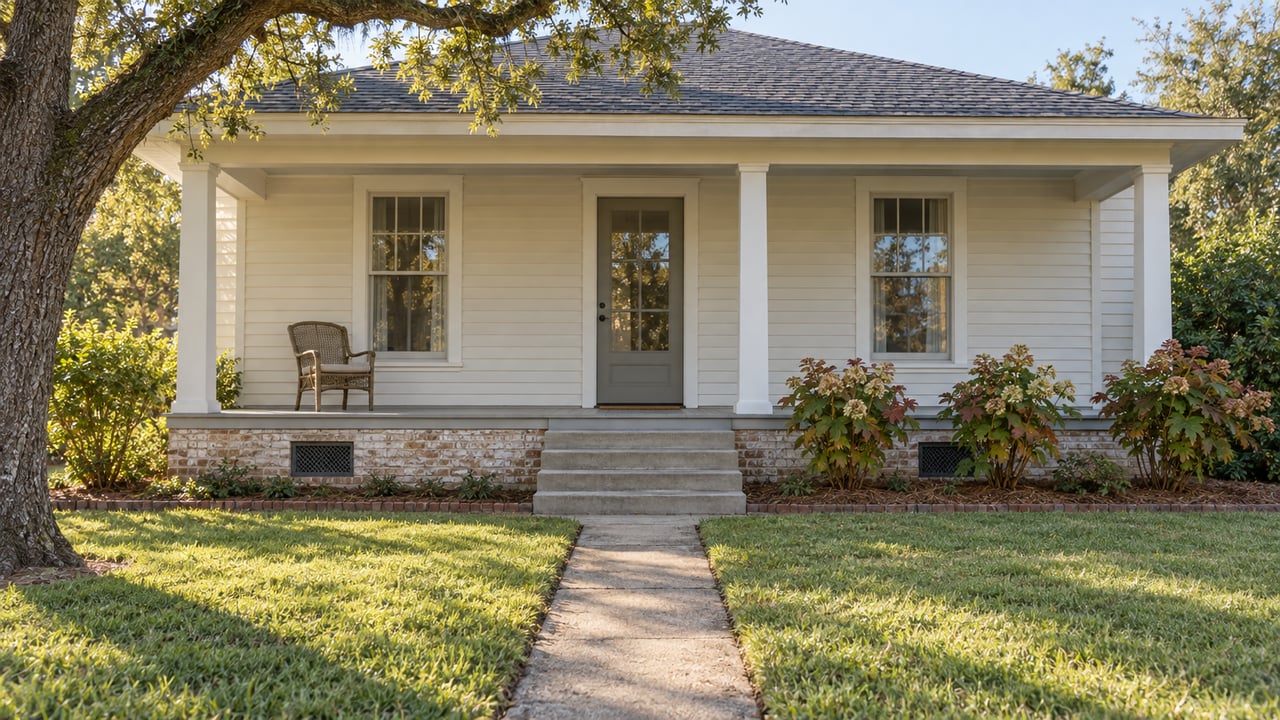
In Marigny, the housing mix tends to be more varied. Local historic district materials describe raised doubles, smaller homes set close together on secondary streets, and front yards often edged with cast-iron fencing.
The HMR-3 zoning district allows single-family, two-family, and small three- to four-unit multifamily housing. That creates a broader mix of possible pied-à-terre options, especially if you want something that feels more residential in scale.
A note on Holy Cross
If your search stretches farther downriver, Holy Cross can enter the conversation. It is lower density than Marigny and is described by the city as village-like, with larger lots than Marigny and Bywater.
For buyers who want more space and a quieter residential setting, Holy Cross may be worth considering. The trade-off is greater distance from the central core and a different day-to-day feel than a pied-à-terre in the Quarter or Marigny.
Historic rules matter early
One of the biggest mistakes second-home buyers make in historic New Orleans is assuming a future project will be simple. In these neighborhoods, exterior changes can require city review before work begins.
French Quarter approvals
In the French Quarter, any exterior work requires Vieux Carré Commission application and approval before a permit is issued. The city defines exterior work broadly, including paint, roofs, courtyards, balconies, fencing, signs, and similar items.
That means even modest changes may require more planning than you expect. If you are picturing quick cosmetic updates after closing, it is wise to verify what review will be required before you write an offer.
VCC staff approvals for routine work can take about two to seven working days. Larger proposals may move to committee review and potentially full commission review, which can affect renovation timing and carrying costs.
Marigny and Holy Cross approvals
Outside the French Quarter, the Historic District Landmarks Commission handles historic-district exterior changes. The HDLC process includes locating the property, reviewing the applicable guidelines, and applying for a building permit and Certificate of Appropriateness.
This is especially important if you are considering a home that needs visible exterior work. Materials, façade details, and design choices often need to align with district standards.
Why this affects your budget
Historic homes here are not generic renovation projects. Local housing stock includes masonry townhouses, wood-frame cottages, galleries, balconies, and historic façades, so repairs often require contractors familiar with older materials and city review processes.
That can influence timeline, contractor selection, and overall cost. A beautiful small home can still demand a very thoughtful ownership plan.
Budget beyond the purchase price
Your pied-à-terre budget should go well beyond mortgage and closing costs. In these neighborhoods, taxes, insurance, flood risk, and parking can shape the true cost of ownership.
Property taxes and homestead status
In Orleans Parish, the homestead exemption applies only to a primary residence or domicile. The city states that a person or married couple can have only one homestead exemption, and it exempts the first $75,000 of market value.
For a pied-à-terre, you should usually budget as a non-homestead property. That is a key difference for second-home buyers comparing total ownership costs.
Flood insurance and homeowners coverage
Flood insurance is separate from homeowners insurance. The Louisiana Department of Insurance states that homeowners policies do not cover flood damage, and flood coverage can be purchased through the National Flood Insurance Program, private insurers, or surplus lines.
The city’s flood guidance states that the entire city is at risk of flooding. It also identifies AE and VE as the highest-risk flood zones, so checking the exact flood designation for any address is an important part of due diligence.
Storm deductibles deserve attention
In Louisiana, homeowners also need to pay close attention to named-storm, hurricane, and wind-and-hail deductibles. When you compare policies, look at the deductible structure and not just the annual premium.
That side-by-side review can change which property feels most manageable over time. A lower annual premium does not always mean lower risk exposure when a storm event occurs.
Parking is a real quality-of-life issue
Parking should never be treated as an afterthought for a pied-à-terre in these areas. City meters in the French Quarter and Marigny are $3 per hour from 8 a.m. to 7 p.m., Monday through Saturday, with free parking on Sundays and selected holidays.
The city also manages residential parking zones, so convenience can vary block by block. Before you buy, verify parking expectations for the specific address rather than assuming the whole neighborhood functions the same way.
Renting it out is not simple
Some buyers hope to offset costs by renting out the property when they are away. In Orleans Parish, that plan needs careful review before you rely on it.
City rules define short-term rentals as stays under 30 consecutive days. The city also requires both owner and operator permits for each unit, and non-commercial permits are distributed through a lottery.
That means you should not assume your future pied-à-terre can operate as a short-term rental. If rental flexibility is part of your buying decision, confirm the current rules and the property’s suitability very early.
Which neighborhood fits your goals
Choose the French Quarter if
The French Quarter often suits buyers who want the most iconic, compact, and tightly regulated home base. It can be a strong fit if you value historic atmosphere, a central location, and minimal appetite for major exterior changes.
The trade-off is less renovation flexibility and more tourism intensity. For many second-home buyers, that is acceptable because the location itself is the draw.
Choose Marigny if
Marigny tends to suit buyers who want a historic feel with more residential variety and slightly more practical day-to-day living outside the most visited core. It can offer a broader mix of smaller houses, doubles, and low-scale multifamily options.
If you want character without feeling quite as immersed in the busiest visitor environment, Marigny may offer the better balance. It still requires careful property-level research, but the lifestyle fit can be different.
Consider Holy Cross if
Holy Cross may fit if your idea of a pied-à-terre includes more space and a quieter residential rhythm. Its lower-density pattern and larger lots can appeal to buyers who are willing to trade proximity for breathing room.
It is not a substitute for the French Quarter or Marigny experience. It is its own choice, with a different pace and a different relationship to the city center.
A smart pre-offer checklist
Before you make an offer on a pied-à-terre in the French Quarter, Marigny, or nearby Holy Cross, keep this checklist in front of you:
- Verify the historic district for the exact address
- Check the flood status for the exact property
- Get quotes for homeowners, flood, and wind coverage
- Review deductible structures, not just premiums
- Confirm block-level parking expectations
- Ask whether planned exterior work would require VCC or HDLC review
- Treat short-term rental use as a separate legal question, not an assumption
A second home in this part of New Orleans can be deeply rewarding when the property matches your lifestyle and your tolerance for historic ownership realities. The key is buying with clear eyes, strong local guidance, and a plan that respects both the architecture and the rules that help preserve it.
If you are considering a design-forward second home in the French Quarter, Marigny, or another historic New Orleans neighborhood, New Orleans Luxury Living offers founder-led guidance, discreet representation, and a highly curated approach to architecturally significant properties.
FAQs
What makes the French Quarter different for pied-à-terre buyers?
- The French Quarter offers an iconic historic setting and compact housing types, but exterior changes are tightly regulated through the Vieux Carré Commission and daily life can involve more tourism activity.
What kinds of homes can you find in Marigny for a second home?
- Marigny includes raised doubles, smaller homes on secondary streets, and a mix of single-family, two-family, and small multifamily properties that can suit buyers seeking a more residential historic setting.
Do pied-à-terre buyers in Orleans Parish get a homestead exemption?
- Usually no. Orleans Parish limits the homestead exemption to a primary residence or domicile, so a pied-à-terre should generally be budgeted as a non-homestead property.
Do you need separate flood insurance for a French Quarter or Marigny property?
- Yes. The Louisiana Department of Insurance states that homeowners insurance does not cover flood damage, so flood coverage must be purchased separately.
Can you use a French Quarter or Marigny pied-à-terre as a short-term rental?
- You should not assume you can. Orleans Parish regulates stays under 30 consecutive days as short-term rentals and requires permits, with non-commercial permits distributed through a lottery.
What should you verify before offering on a historic New Orleans second home?
- Verify the exact property’s historic district, flood status, insurance costs and deductibles, parking expectations, and whether any planned exterior work will require VCC or HDLC review.