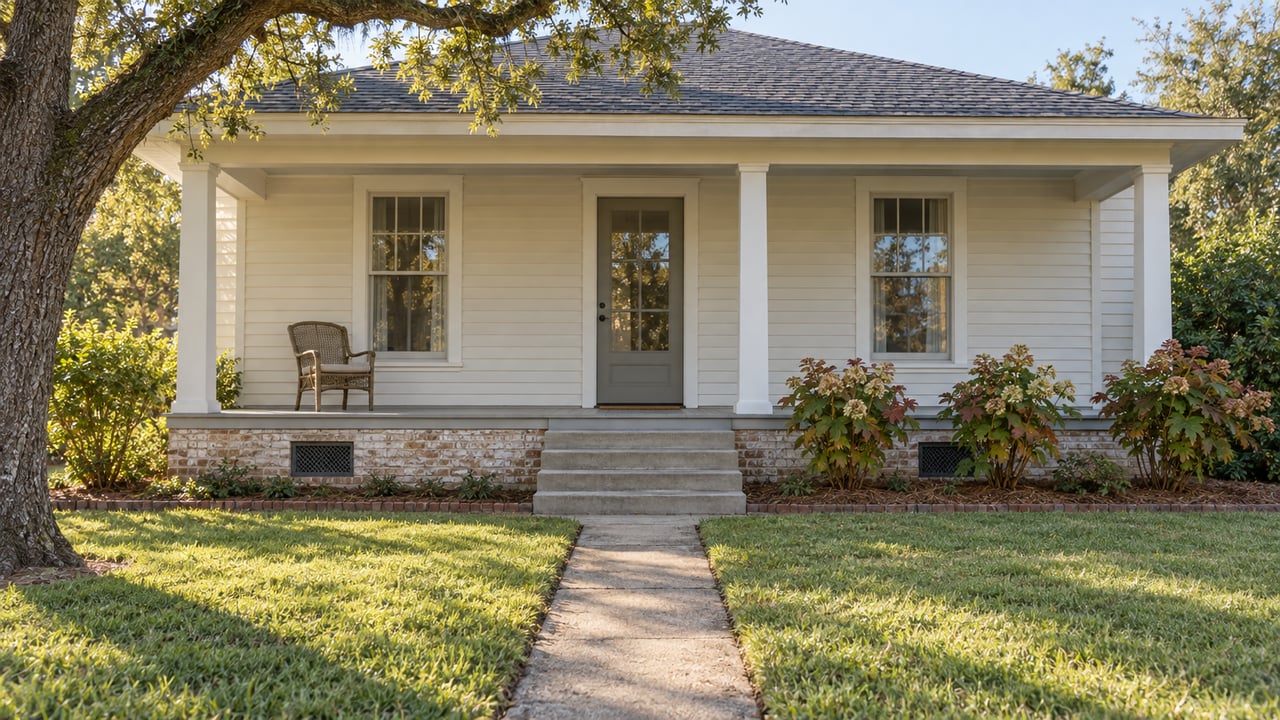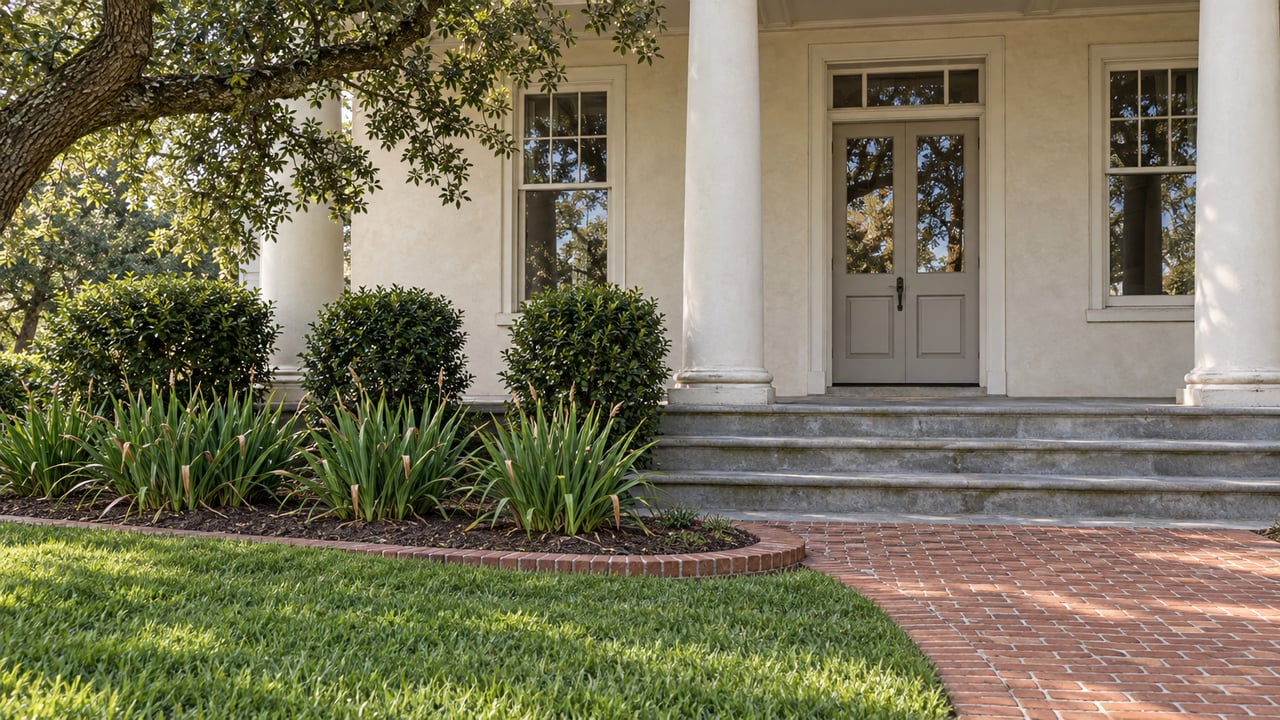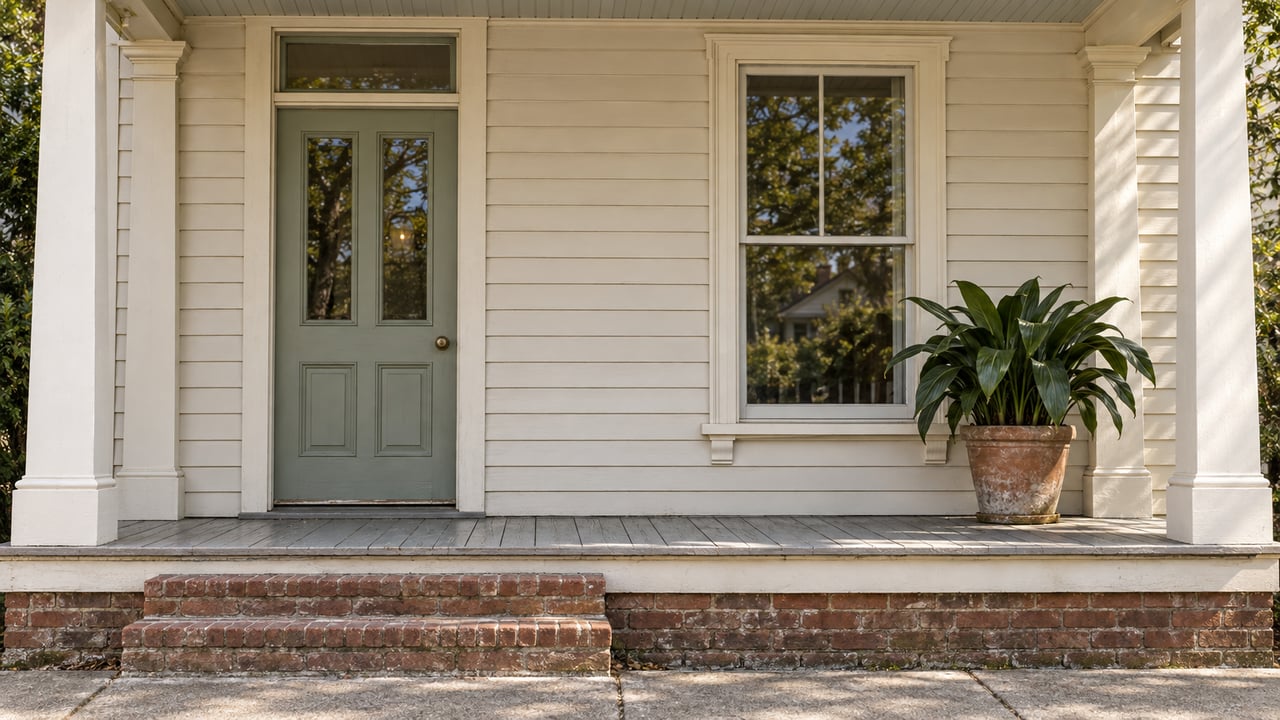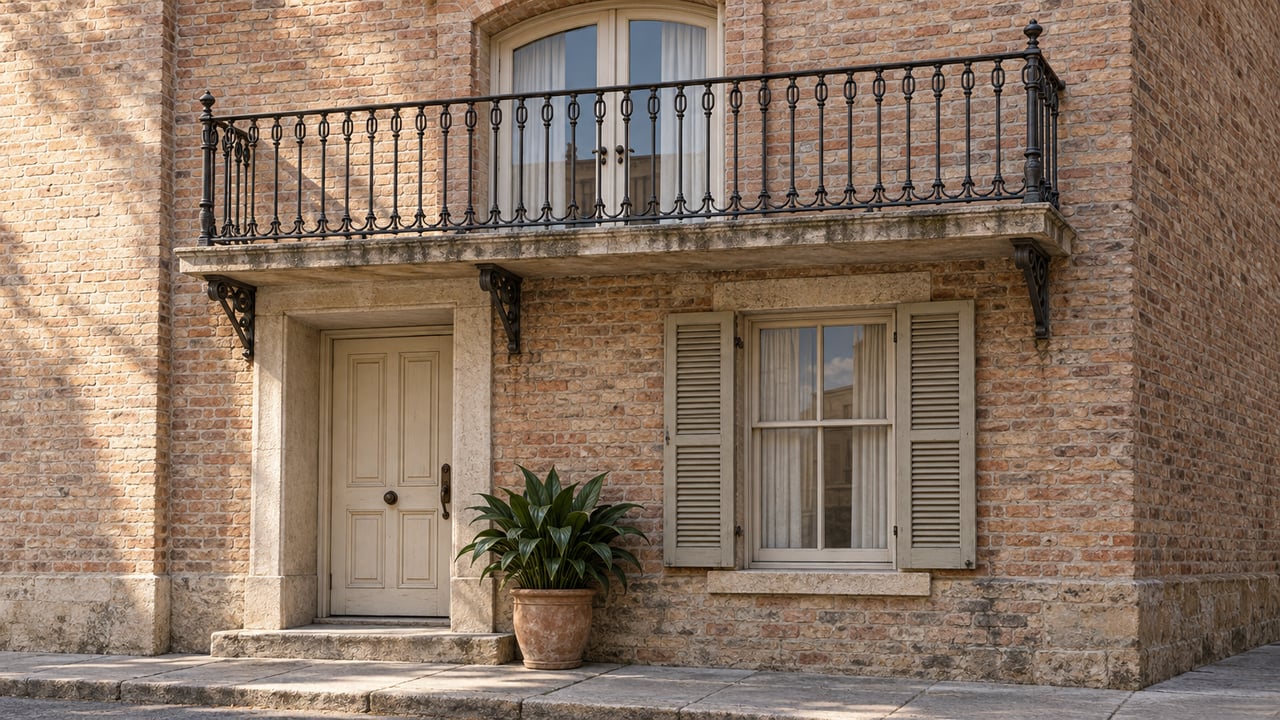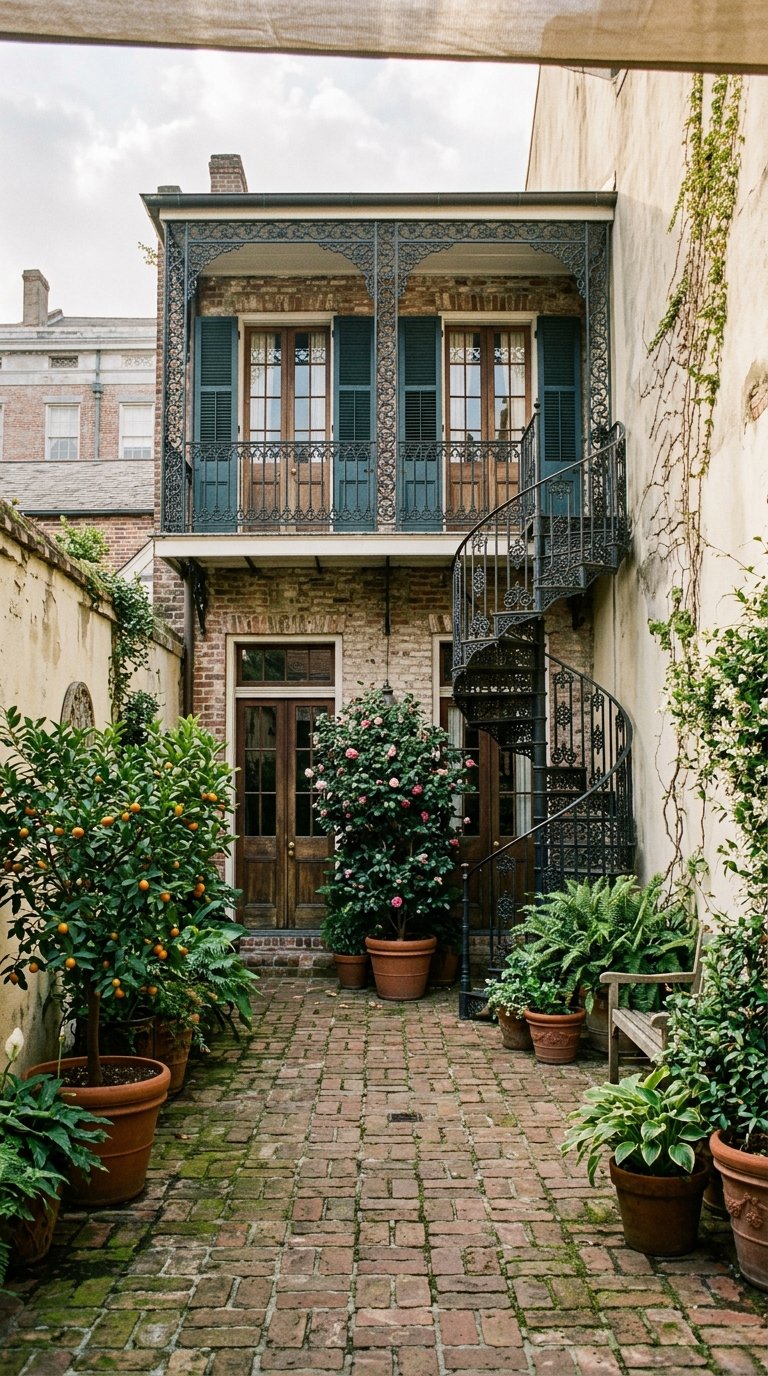
Wondering whether a historic French Quarter townhouse is a dream home, a preservation project, or both? The honest answer is usually both. If you are drawn to the French Quarter’s architectural character, private courtyards, and ironwork balconies, it helps to know that ownership here comes with a different set of expectations than a typical home purchase. This guide walks you through what daily ownership looks like, what changes require approval, and how to plan wisely before you buy or renovate. Let’s dive in.
Historic ownership feels different
Owning a French Quarter townhouse is often less about simple homeownership and more about stewardship. In the Vieux Carré, the city’s preservation framework is designed to protect both individual buildings and the overall historic character of the district. That means your property is part of something larger than itself.
For many buyers, that is part of the appeal. You are not just buying square footage. You are taking responsibility for a piece of New Orleans history, with all the beauty, care, and planning that comes with it.
What a French Quarter townhouse is
French Quarter townhouses are typically narrow, deep masonry buildings that rise two to four stories. Many are one to two rooms wide and two rooms deep, with a strong orientation toward the street. Rear or side service buildings are also common in this historic form.
Inside, the layout often feels more vertical and room-by-room than open and expansive. Older Louisiana Creole designs were shaped by climate and culture, so features like galleries, French doors, and limited interior hallways are part of the experience. If you are used to newer homes, the flow may feel more intimate and more architectural.
Creole and American influences
Some townhouses in the French Quarter reflect Creole design traditions, including carriageways or passageways that lead to rear courtyards. In certain older examples, a shop occupied the ground floor while living quarters sat above. These homes often keep stairs or circulation outside the main block.
American townhouses in the district tend to bring circulation indoors more often. In either case, the distinctions matter because they shape how the home lives day to day and how future updates may be approached.
Features that define the style
Character-defining elements often include:
- Balconies and galleries
- Courtyards
- Shutters
- Decorative ironwork
- Brick or stucco walls
- Roof overhangs
These details are not only attractive. They also help create shade, support airflow, and extend living space outdoors.
Daily ownership means active maintenance
A French Quarter townhouse usually needs consistent, seasonal attention. This is not the type of property you check on once a year and assume everything is fine. The local preservation guidance recommends reviewing the building and site in early spring before hurricane season and again in late fall.
That routine matters because small issues can become expensive problems quickly. Roofs, gutters and downspouts, woodwork, masonry or stucco, chimneys, and vegetation all deserve regular review.
Moisture is the main concern
In the French Quarter, moisture control is central to long-term ownership. Humidity, storm water, wind, insects, sunlight, and vegetation all put stress on historic buildings. Water intrusion is a major driver of wood rot, pest damage, and masonry deterioration.
That means you will want to think beyond surface appearance. A fresh coat of paint is helpful, but it does not solve hidden moisture issues on its own. Buyers should go in knowing that maintenance here is as much about prevention as repair.
Termites and hidden damage are real risks
New Orleans owners also need to stay alert to termite activity, including Formosan termites. In historic homes, hidden rot and insect damage may not become obvious until work begins or a neglected area is opened up. That can be frustrating, but it is also common enough that smart buyers should plan for the possibility.
If water management has been deferred, related problems may surface after closing. In this setting, delaying small repairs often leads to larger costs later.
Woodwork and paint need a schedule
Exterior woodwork requires regular care in the Vieux Carré. The guidance requires exterior woodwork to be painted and strongly recommends repainting every five to eight years. That schedule may feel more frequent than in some other markets, but it is part of protecting the structure.
The preferred approach is usually targeted repair first. Instead of replacing large sections unnecessarily, preservation standards generally favor fixing the smallest deteriorated area possible and using in-kind replacement where needed.
Roofs and drainage deserve close attention
Roofs and drainage systems play an outsized role in preserving a historic townhouse. Traditional roofing materials in the district include slate, clay tile, and standing-seam metal. Each has practical and visual implications, especially in a historic setting.
Many French Quarter buildings were not originally built with gutters, but properly installed gutters can help reduce water damage significantly. Because water is such a major threat to these buildings, drainage planning is never a minor detail.
Roof changes require early planning
If you are considering roof replacement or material changes, start planning early. Roof type, material, and even color can affect whether work is approved. Some materials are acceptable for sloped roofs, while others are restricted.
The local guidelines also prohibit certain approaches, including highly reflective coatings and torch-down applications. In other words, roofing decisions here are both technical and preservation-driven.
Exterior changes require approval
One of the biggest surprises for first-time French Quarter buyers is how broad the approval process can be. Before exterior work begins, owners must obtain Vieux Carré Commission approval. That applies whether or not the work is visible from the street.
This review can include work involving patios, courtyards, galleries, balconies, paving, fences, signs, exterior stairs, passageways, carriageways, and sidewalks on private property. Some interior work also requires a permit if it affects structural integrity or the exterior.
Timelines vary by project
Ordinary maintenance can often be staff-approved in about two to seven working days. More complex projects may move to the Architectural Committee or the full Commission. That makes planning ahead essential, especially if you are hoping to begin work soon after closing.
It is also important not to order materials too early. The city specifically cautions owners against buying materials, millwork, lighting, security cameras, or signage before the signed permit is in hand.
Courtyards and openness are protected
French Quarter courtyards are one of the area’s most cherished features, but they are also carefully regulated. Permanent courtyard coverings or enclosures are not allowed. The Vieux Carré Commission requires courtyards to remain open to the sky.
That same preservation mindset applies to balconies, galleries, porches, and loggias. Enclosing these spaces with walls, windows, or doors is not allowed. In limited privacy situations, louvered blinds may be considered, while movable awnings are generally the preferred shading solution.
Equipment must stay discreet
Modern equipment can be part of ownership, but placement matters. Air conditioners, generators, solar collectors, satellite dishes, antennas, and exterior security cameras are all reviewable items. In most cases, they must be screened or placed discreetly.
Security cameras deserve special attention because they require their own permit even when they are not visible from the street. If privacy and security are priorities for you, this is worth discussing early during your planning process.
Windows, doors, and gates are sensitive updates
Historic windows and doors are among the most important visual details on a French Quarter townhouse. The local guidelines prefer retaining original wood doors, trim, and hardware when they remain serviceable. When replacement is necessary, new pieces should match the historic opening, proportions, profiles, and detailing as closely as possible.
Stock doors are rarely appropriate in this setting. The same repair-first thinking applies to windows, where repairing existing sash is preferred when possible.
Fences and gates follow strict standards
Fences and gates are also regulated for compatibility with the building and streetscape. Chain-link fences and welded hollow metal tube fences or gates are not allowed. If you are imagining a quick exterior security upgrade, it is important to understand that appearance and compatibility are part of the decision.
A smart update strategy starts small
For most owners, the safest path is simple: repair first, replace second. Preservation guidance repeatedly favors addressing the smallest deteriorated area possible, using in-kind materials when feasible, and choosing compatible materials only when exact replacement is not practical.
This approach helps preserve the architectural integrity of the home and may reduce long-term damage. It also aligns better with the approval process, which tends to support thoughtful, compatible work over fast cosmetic changes.
What buyers should expect overall
A historic French Quarter townhouse offers a living experience that is hard to duplicate anywhere else in New Orleans. You get distinctive architecture, layered history, and outdoor spaces like balconies and courtyards that feel deeply tied to place. For many buyers, that sense of provenance is exactly the point.
The tradeoff is less flexibility and more responsibility. You should expect more documentation, more specialized trades, and less freedom to make quick exterior changes. If you go in with clear eyes, that does not have to be a drawback. It can be the reason the purchase feels so meaningful.
If you are considering a French Quarter townhouse, the right guidance can make the process far more strategic and far less stressful. For tailored advice on architecturally significant homes in the French Quarter and across central New Orleans, connect with New Orleans Luxury Living.
FAQs
What is daily maintenance like for a French Quarter townhouse?
- Daily ownership usually means active seasonal upkeep, with regular checks of the roof, drainage, woodwork, masonry or stucco, chimneys, and vegetation, especially in spring and fall.
What approval is needed for exterior work on a French Quarter townhouse?
- In the Vieux Carré, owners must obtain approval before exterior work begins, including work on courtyards, balconies, galleries, paving, fences, stairs, passageways, and some other site features.
Can you enclose a courtyard in a French Quarter townhouse?
- No. Courtyards are required to remain open to the sky, and permanent coverings or enclosures are not allowed.
Can you replace windows and doors in a French Quarter townhouse?
- Yes, but the preferred approach is repair first, and any replacement should closely match the historic opening, proportions, profiles, and detailing.
What should buyers budget for with a historic French Quarter townhouse?
- Buyers should plan for ongoing maintenance, possible hidden moisture or termite-related repairs, specialist trades, and a more detailed approval process for exterior changes.