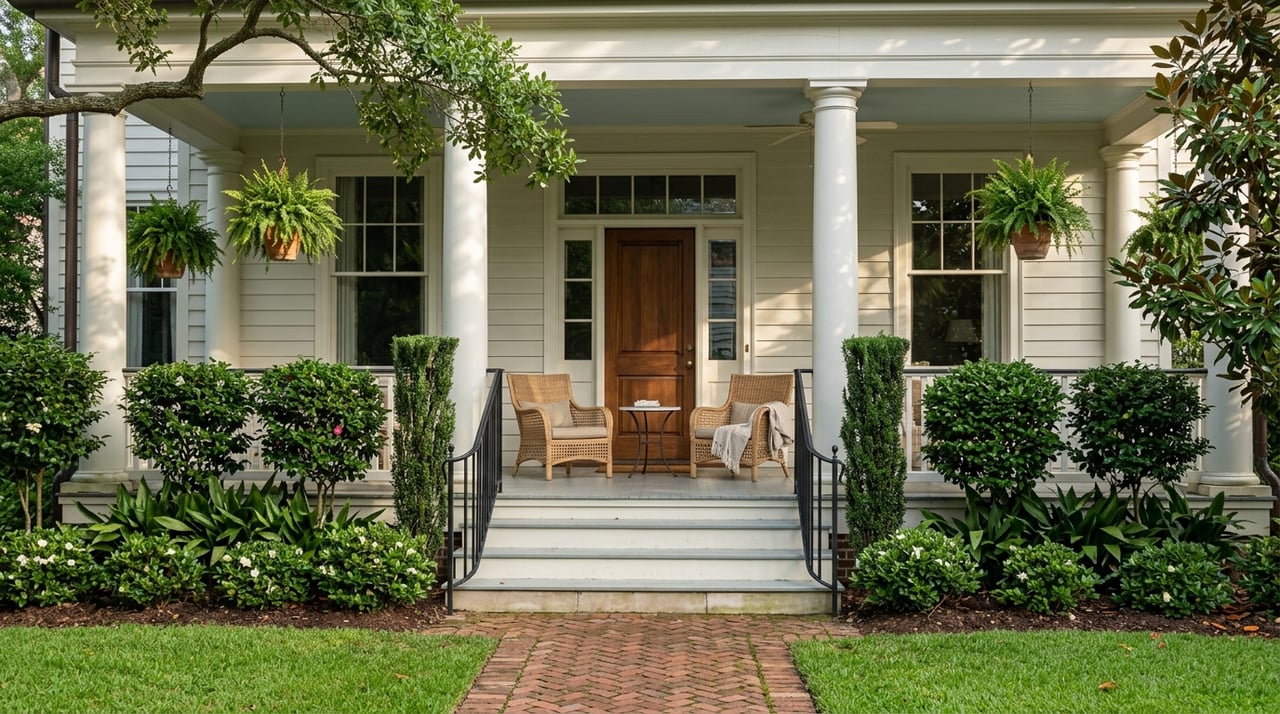
Are you drawn to the Garden District for its grand facades, only to wonder what daily life there actually feels like? That is often the real question, especially if you are considering buying or selling a home in this part of Uptown. In the Garden District, porches and gardens are not just beautiful details. They shape how people live, gather, and move through the day. Let’s dive in.
Why outdoor living matters here
The Garden District is one of New Orleans’ most recognized historic neighborhoods, with roots tied to the subdivision of Faubourg Livaudais in 1832, the creation of Lafayette City in 1833 and 1834, and annexation by New Orleans in 1852. It was listed on the National Register of Historic Places in 1971, and its historic identity still defines how the neighborhood looks and feels today.
While many people picture Greek Revival and Italianate mansions first, the area also includes raised cottages, two-story gallery houses, shotguns, camel-backs, and early Creole cottages. In other words, the Garden District is not shaped by one house type alone. Its outdoor spaces, from porches to side gardens to rear courtyards, are part of a broader architectural rhythm.
That rhythm matters because daily life here often happens in view of the street, the garden gate, or the shaded porch. Local preservation sources describe the neighborhood as a close-knit residential area where people walk under live oaks, stop for coffee, run errands along Magazine Street, and spend evenings on nearby residential blocks. The result is a setting where outdoor rooms feel useful, not ornamental.
Porches are part of daily life
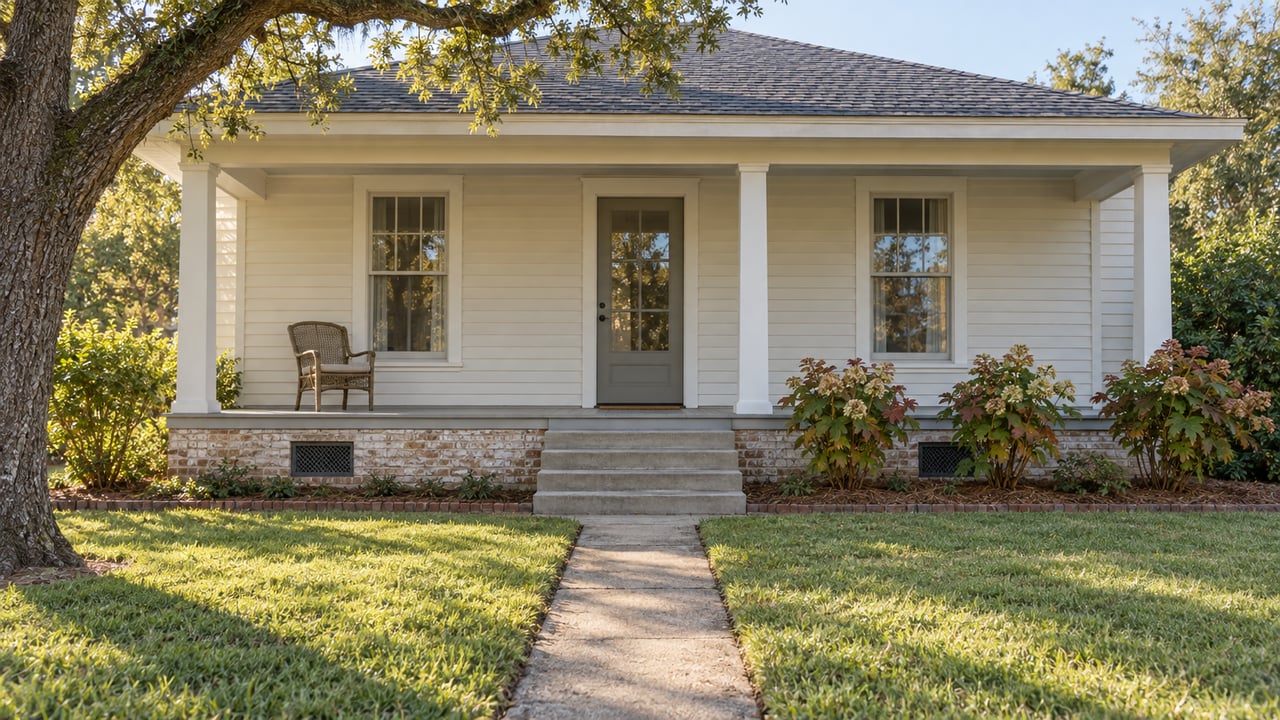
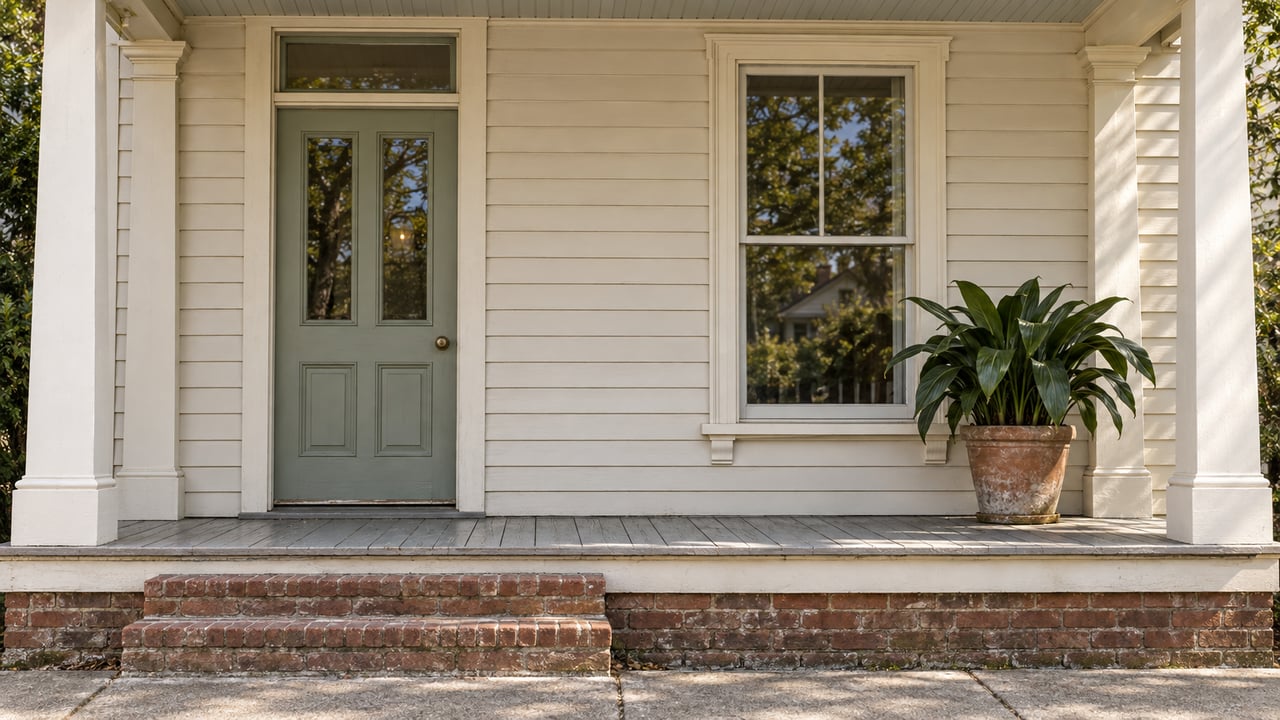
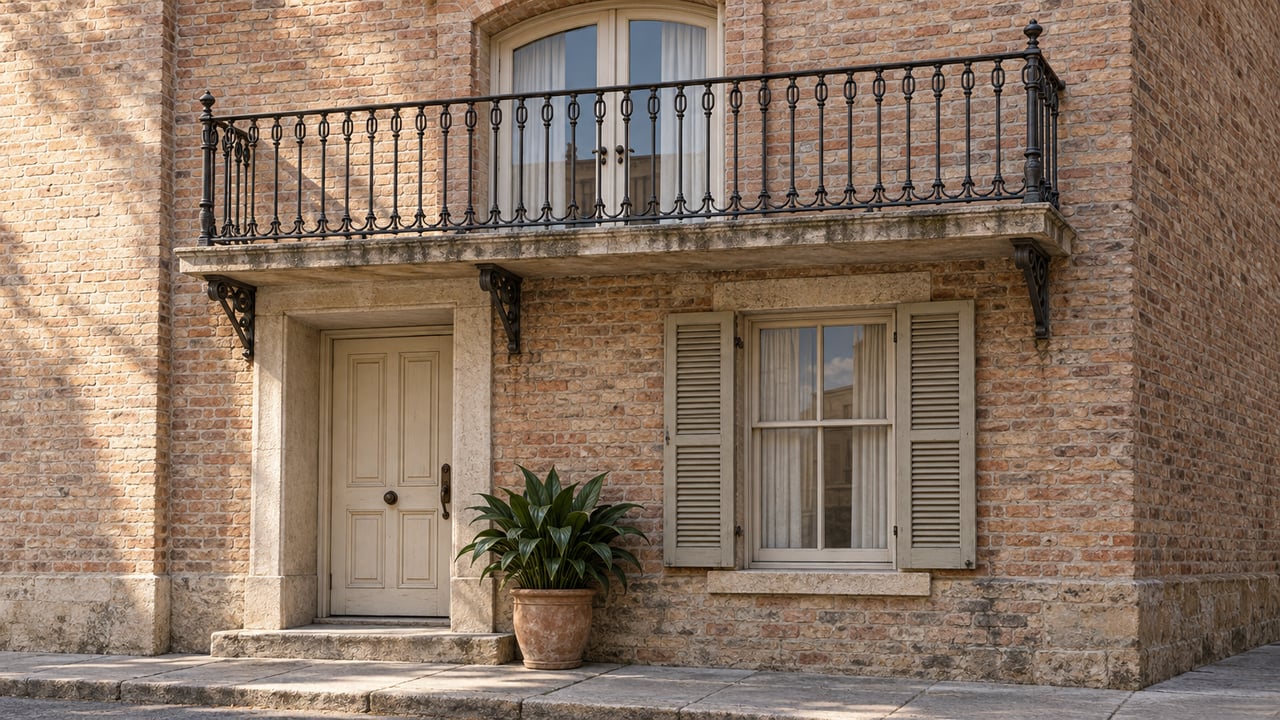
In the Garden District, a porch is rarely just a decorative feature. City design guidance describes porches, galleries, and balconies as key parts of the streetscape and notes that they were historically used as sheltered exterior living space. They also served as places where neighbors could meet and talk.
That still tracks with how these spaces are used today. Local home profiles in the neighborhood describe front porches as favorite places to sit, watch the block, and take in the movement of everyday life, from pedestrians to passing traditions like a second line. In some homes, French doors open directly from the kitchen to a covered porch, then continue into a courtyard or pool area, making the porch a true bridge between inside and out.
If you are home shopping in the Garden District, this is worth noticing. A porch here often functions more like an extra living room, especially during milder parts of the year. It can support quiet mornings, casual entertaining, or simply a better connection to the street and landscape.
What makes a Garden District porch feel different
Several details help explain why these porches are so central to everyday life:
- Shade from deep overhangs, galleries, and mature trees
- Airflow created by exterior orientation and tall openings
- Visual connection to the sidewalk, front garden, and street activity
- Architectural continuity with columns, railings, steps, and fencing that frame the home
In a climate like New Orleans, those qualities are practical as much as they are beautiful. Outdoor comfort often depends on cover, breeze, and flexible transitions between indoor and outdoor spaces.
Gardens are often a sequence of spaces
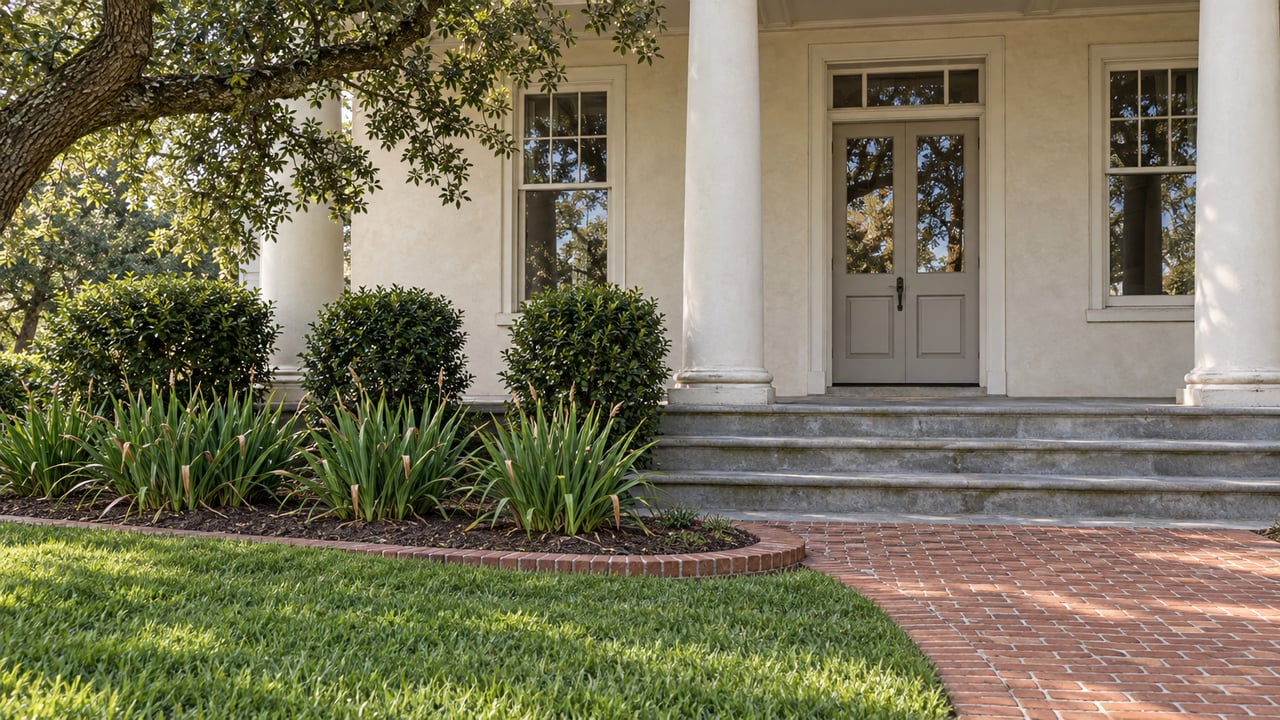
The phrase “Garden District” suggests sweeping front lawns, but the lived reality is often more layered. Based on local lot rules and documented home examples, outdoor space here tends to unfold as a sequence: front porch, front garden, side yard, rear courtyard, and sometimes a pool or planted terrace behind the house.
Current zoning for HU-RD1 single-family parcels helps explain that pattern. Minimum lot area is 4,400 square feet, with a minimum width of 40 feet and minimum depth of 90 feet. There are also yard requirements, including a maximum front yard of 20 feet, a minimum rear yard depth of 18 feet, and minimum permeable open space standards that vary by lot width.
Those dimensions encourage usable outdoor rooms rather than one single open expanse. On some properties, especially double lots, the result can feel expansive and formal. On narrower or more shaded sites, the garden may be more intimate, with containers, paved courts, and planted edges doing much of the work.
How courtyards fit the neighborhood
Local home profiles show how often the rear of the property becomes the most private outdoor retreat. One Greek Revival home on Harmony Street features original back-parlor windows that open onto a back courtyard. Other homes in the district include landscaped courtyards, brick-enclosed pool areas, and tropical garden views from interior living spaces.
For you as a buyer, that means outdoor living may reveal itself gradually, not all at once from the curb. For you as a seller, it means the full value of a property often lies in how these spaces connect and flow together.
Climate shapes how these spaces work
New Orleans has a humid subtropical climate, with hot, usually humid summers and mild to cool winters. The city reports average annual precipitation of 62.7 inches and about 77 days each year with highs of 90 degrees or more. That climate makes outdoor design less about decoration and more about livability.
Porches help create shade and covered transition zones. Courtyards can offer privacy while still allowing airflow. Container gardens and planters make sense on sites where in-ground planting space is limited or where tree cover creates more shade.
LSU AgCenter guidance also supports this practical approach. Louisiana spans USDA zones 8a to 10a, and south Louisiana can support year-round vegetable growing. The AgCenter also notes that container gardening is useful where planting area is limited, and that warm-season shade plantings are typically enjoyed from spring through fall.
What this means for everyday use
In the Garden District, outdoor life often works best when spaces are adaptable. A covered porch can host coffee in the morning and conversation in the evening. A side yard may hold planters and a small seating area. A rear courtyard may become the most reliable entertaining zone because it offers privacy, hardscape, and room for layered landscaping.
This flexibility is part of the neighborhood’s appeal. The best outdoor spaces here are not always the largest. Often, they are the ones that feel most connected to the home’s architecture and most responsive to the climate.
Historic rules shape outdoor decisions
One of the most important things to understand about porches and gardens in the Garden District is that they are part of a preserved historic landscape. In New Orleans historic districts, exterior work on a private building, structure, fence, boundary wall, sign, steps, or paving requires a certificate of appropriateness. The city also specifically reviews alterations to and replacement of porches, galleries, and balconies.
That means outdoor updates should be approached as preservation decisions, not just style choices. Porch repairs, gate changes, fence work, paving updates, and other visible exterior changes may be subject to review. This process is one reason the neighborhood retains such strong visual continuity over time.
For buyers, this is part of the ownership experience. For sellers, it is often part of the story and value of the home. A well-kept porch, a thoughtful courtyard, and intact exterior details speak to stewardship as much as design.
Questions to ask when viewing a property
If you are evaluating a Garden District home, consider these points:
- How does the porch connect to the main living areas?
- Is the outdoor space mostly front-facing, side-oriented, or centered in the rear?
- How much of the garden is permeable open space versus hardscape?
- Do mature trees or building placement create more sun or more shade?
- Have exterior features like fencing, paving, steps, or porch elements been maintained in keeping with the historic setting?
These questions can help you see beyond curb appeal and understand how the property may function day to day.
What buyers and sellers should notice
For buyers, the Garden District offers more than architectural beauty. It offers a style of living where the edge between home and neighborhood is softer. A front porch can make the street feel closer. A rear courtyard can make entertaining feel private and easy. A side garden can turn a narrow passage into a meaningful part of the home.
For sellers, these same features deserve careful presentation. In a neighborhood known for architectural significance, outdoor spaces help tell the story of how a home lives. They are part of the first impression, but they are also part of the lasting impression a serious buyer carries away.
That is especially true in architecture-forward homes, where porches, galleries, doors, windows, fencing, and landscape work together as one composition. In the Garden District, buyers often respond not just to square footage, but to atmosphere, flow, and the sense that a home belongs exactly where it is.
If you are considering a move in the Garden District or preparing to position a historic home for the market, thoughtful guidance matters. New Orleans Luxury Living offers founder-led, neighborhood-savvy representation for buyers and sellers who value architecture, presentation, and discretion.
FAQs
Why are porches important in the Garden District?
- Porches, galleries, and balconies have historically served as sheltered outdoor living spaces in New Orleans and continue to function as places for sitting, gathering, and connecting with the street.
Are Garden District porches mainly decorative?
- No. Local home examples show that porches are actively used for everyday living, including relaxing, entertaining, and linking indoor rooms to courtyards or pools.
How are Garden District gardens typically arranged?
- Many properties use a sequence of outdoor spaces, such as a front porch, side yard, and rear courtyard, rather than relying on a single large lawn.
How does New Orleans climate affect Garden District outdoor spaces?
- The city’s hot, humid climate and frequent rainfall make shade, airflow, covered porches, courtyards, and flexible planting strategies especially useful.
Do porch and garden changes in the Garden District need city review?
- Yes. In New Orleans historic districts, exterior work involving features like porches, fences, steps, walls, paving, and similar elements requires city review through a certificate of appropriateness process.
What should buyers notice about outdoor space in a Garden District home?
- Look at how the porch and garden connect to the interior, how the lot is organized, how much shade or sun the property receives, and whether exterior elements appear thoughtfully maintained within the historic context.