If you love houses with personality, Uptown can feel like an open-air design book. On one block, you might see a formal porch with classical columns, and on the next, a narrow shotgun with intricate Victorian trim or a deep Arts and Crafts overhang. If you are trying to understand what makes this part of New Orleans so visually rich, this guide will help you read the streetscape with more confidence and spot the details that matter most. Let’s dive in.
Why Uptown Architecture Feels So Layered
Uptown is one of New Orleans’ largest historic neighborhoods, with more than 10,000 significant historic buildings identified by the Preservation Resource Center. The area includes major landmarks and destinations such as Tulane, Loyola, Magazine Street, Audubon Park, the Zoo, and the Fly.
What makes Uptown especially compelling is that it does not read as one uniform district. The neighborhood developed over time from plantation land into faubourgs and later annexed city neighborhoods, with major growth from the 1820s through 1935. That long timeline helps explain why the architecture feels collected and layered rather than planned all at once.
The City of New Orleans describes Uptown as a primarily residential grid with a mature tree canopy, narrow deep lots, and street parking that shapes the streetscape. Commercial activity clusters along Magazine Street, while areas like Audubon Park and the universities interrupt the grid in distinct ways. In practice, that gives you a neighborhood where architecture, landscape, and daily life are closely tied together.
How To Read an Uptown Block
If you are house hunting or simply admiring facades, start with the big visual cues. Notice the porch depth, roofline, window spacing, and how the house sits on its lot.
Those first impressions often tell you more than a listing label. A home may present as grand and formal near St. Charles, while streets closer to the river often reveal more modest shotgun and camelback forms. In Uptown, scale and style can shift quickly from block to block.
Look at Street Presence First
Street presence is about more than size. It includes the front steps, porch rhythm, setback, and the way the facade meets the street.
Raised homes often feel more secluded from the sidewalk, even when the footprint is not especially large. That sense of elevation is common in Uptown and is part of the neighborhood’s visual identity.
Notice the Lot Shape
Uptown’s narrow frontage and deep lots shape both the architecture and the experience of living there. Homes often stretch back farther than you might guess from the street view alone.
This lot pattern also helps explain why street parking is so common. It is one of those practical details that is easy to miss until you understand how the neighborhood was built.
Greek Revival Details To Spot
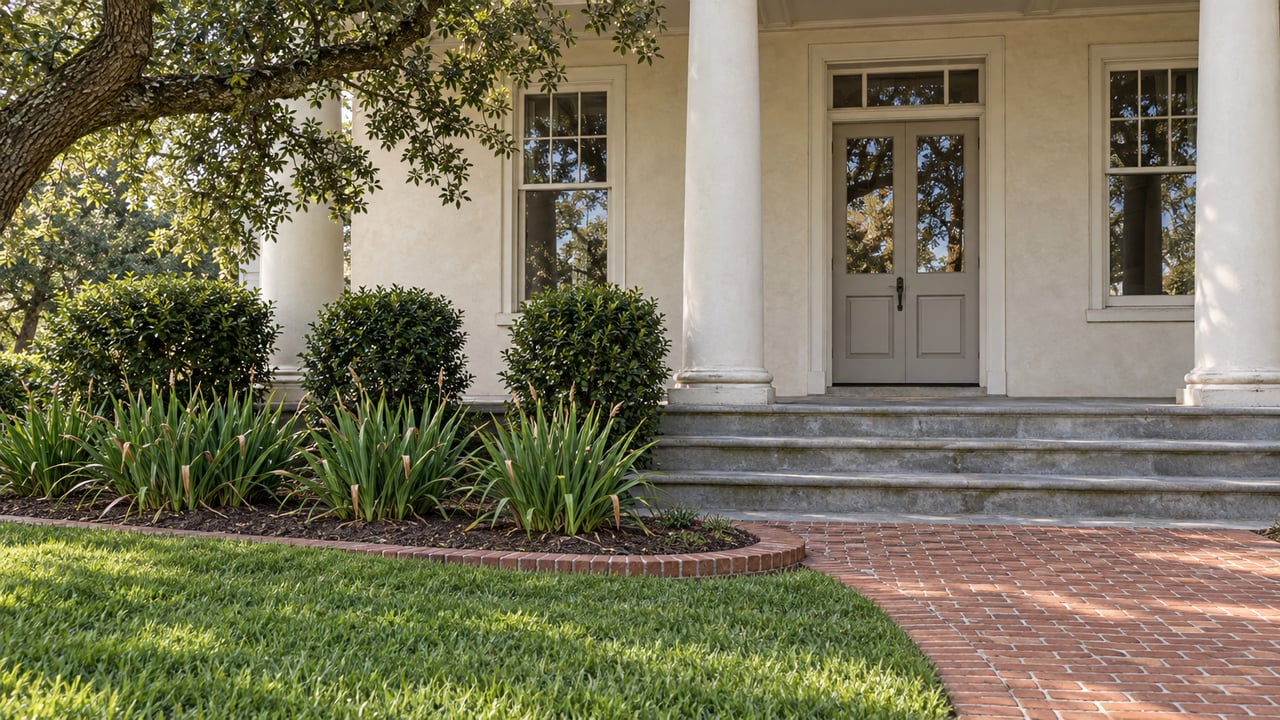
Greek Revival architecture in New Orleans dates mainly from the 1820s through the 1860s. In Uptown, this style can appear on grand homes, cottages, and even shotguns, so you do not need a mansion-scale house to see its influence.
Look for classical trim, full-height porches, round columns or boxed piers, and pedimented or flat porch tops. These homes often feel formal and symmetrical, with a restrained look that still makes a strong impression.
Why Greek Revival Still Feels Current
Part of the appeal is clarity. Greek Revival homes often have a balanced, composed facade that feels timeless to design-minded buyers.
In Uptown, that formality also pairs well with the neighborhood’s deep porches and raised construction. The result can feel elegant without being overly ornate.
Victorian-Era Styles That Add Drama
In Uptown, Victorian does not mean just one look. The neighborhood includes Italianate, Eastlake, Arts and Crafts, Colonial Revival, and a smaller number of Eclectic and Exotic Revival examples, according to the city’s historic district guide.
That variety gives many blocks a more expressive, decorative feel. If Greek Revival is about symmetry and restraint, Victorian-era homes often introduce texture, ornament, and a more playful silhouette.
Italianate Features
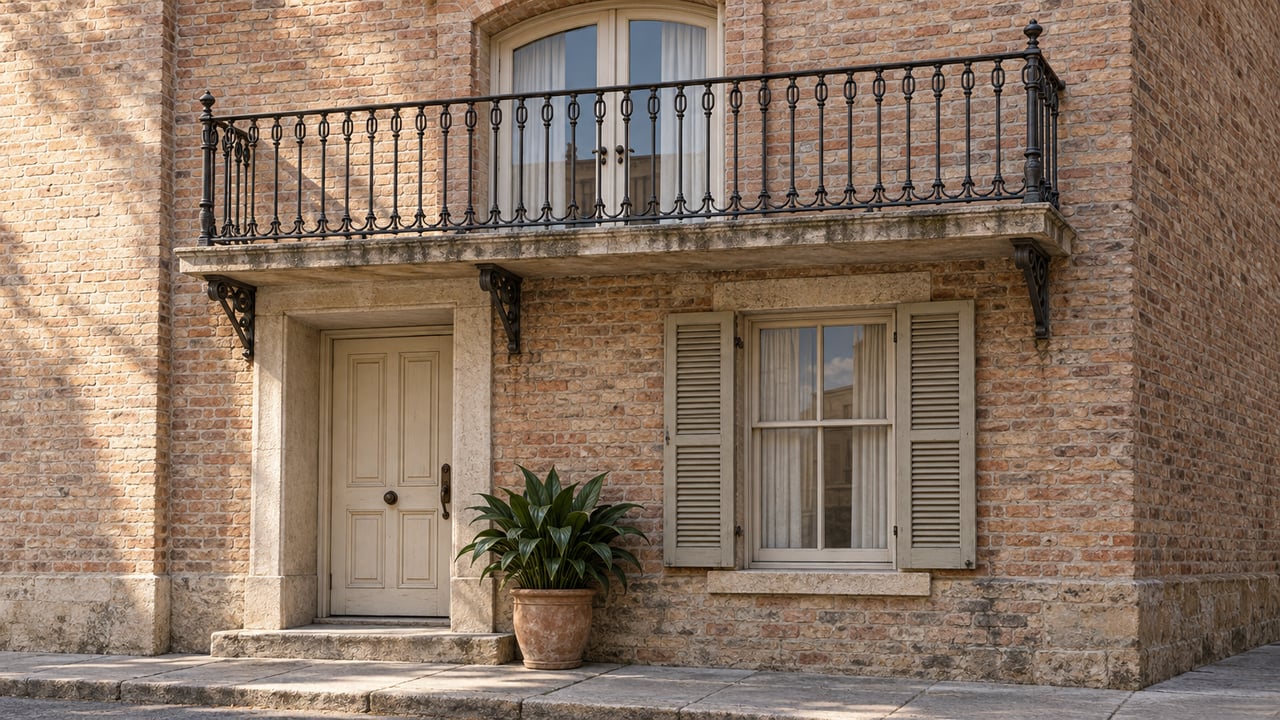
Italianate homes often include arched windows, hood moldings, bracketed eaves, hipped roofs, and symmetrical facades. These details create a polished, vertical look that reads as refined from the street.
For design lovers, the brackets and window surrounds are often the giveaway. Even a quick glance up toward the roofline can reveal the style.
Eastlake and Queen Anne Influence
Eastlake and Queen Anne expressions tend to be more ornate. You may notice turned trim, patterned shingles, wraparound porches, irregular plans, and sometimes towers or turrets.
These houses often reward a slower look. The closer you get, the more decorative detail you tend to find.
Shotguns, Camelbacks, and Cottages Define Uptown
Some of Uptown’s most important architecture is not mansion-scale at all. The district guide notes that more than half of the area’s buildings are shotguns or camelbacks, which makes these vernacular forms central to the neighborhood’s identity.
If you are trying to understand Uptown real estate, this matters. These homes are not side notes. They are a defining part of the market and the streetscape.
The Shotgun House
The shotgun is the most prevalent historic building type in New Orleans, according to the city’s broader style guide. In Uptown, these homes bring a compact street-facing profile that can still carry strong architectural character.
A shotgun may include Greek Revival proportions, Italianate brackets, or later decorative trim. That is part of what makes Uptown so interesting: one home can blend multiple design stories at once.
The Camelback Variation
A camelback is a shotgun with a partial second story at the rear. It adds living space without dramatically changing the narrow front profile seen from the street.
For buyers, that can mean a home that looks modest from the sidewalk but lives larger inside. It is a practical form with a very New Orleans kind of charm.
The Center-Hall Cottage
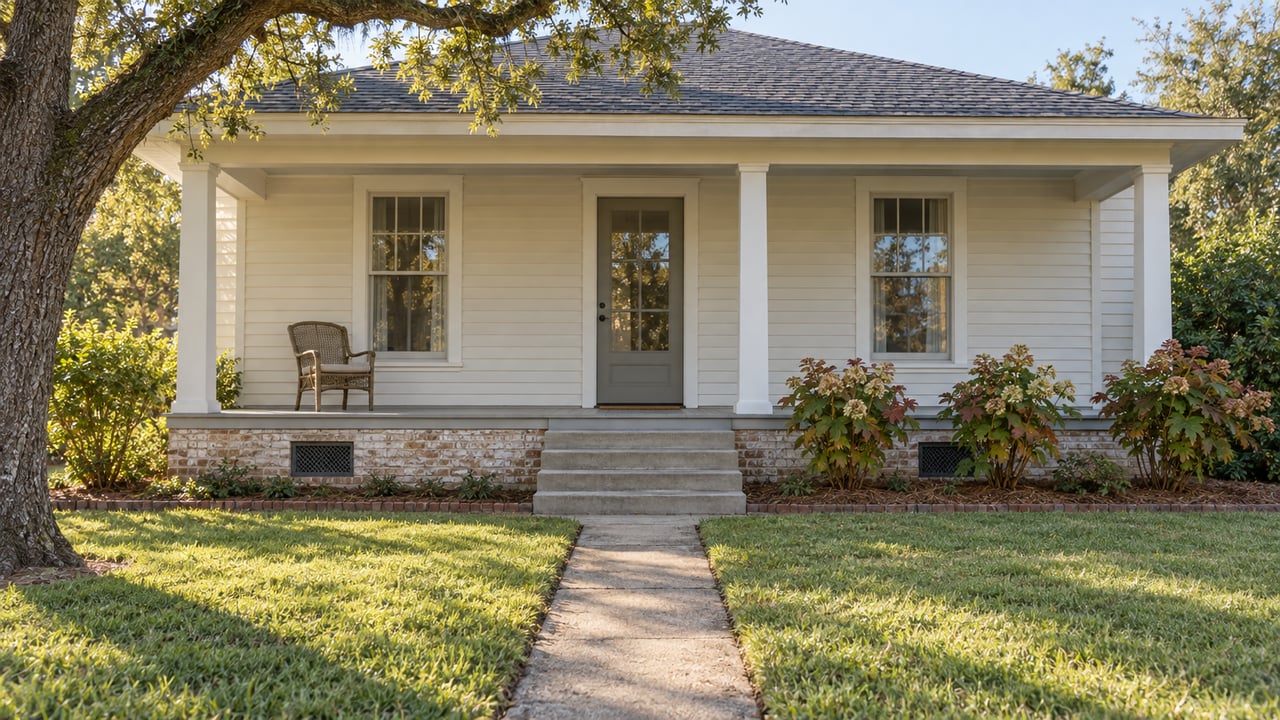
Center-hall cottages are also important in Uptown. These homes are usually symmetrical, at least two rooms wide and two rooms deep, with a central hallway, a deep front porch, and often a raised floor.
Greek Revival and Italianate versions are especially common in New Orleans. If you are drawn to balanced facades and a gracious sense of arrival, this is a type worth noticing.
Arts and Crafts Appeal in Uptown
Arts and Crafts architecture arrived in New Orleans around 1900 and was especially popular in the 1920s and 1930s. In Uptown, it adds another layer to the neighborhood’s already varied design language.
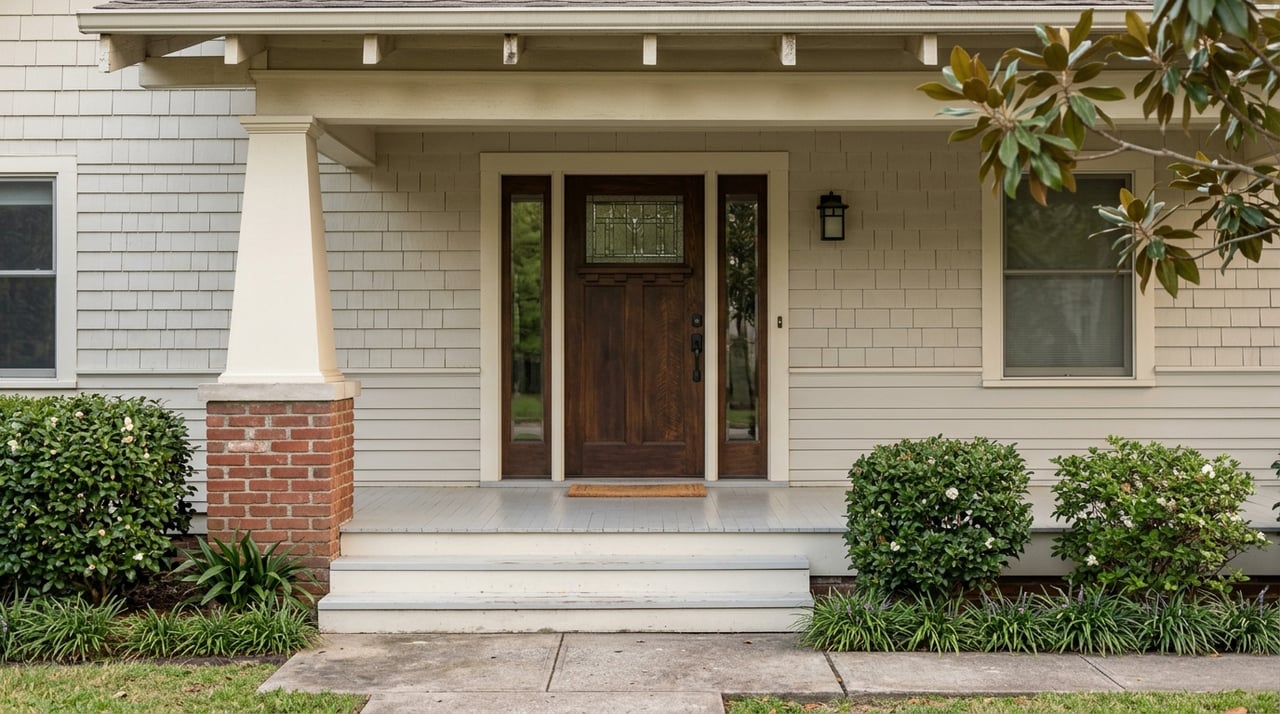
Look for exposed rafters, fascia boards, roof and porch beams used as ornament, rustic materials, and deep porches with broad overhanging eaves. Bungalows are closely tied to this style, and Arts and Crafts shotguns are also fairly common.
Why Buyers Notice These Homes
These homes often feel warm and grounded. The materials and overhangs create a softer, more handcrafted look than the sharper formality of earlier styles.
For many buyers, that makes them especially inviting. They can feel casual, practical, and design-forward all at once.
How Historic Design Shapes Daily Living
The features that make Uptown homes beautiful also influence how they function. Deep porches, galleries, and generous overhangs create shade and outdoor sitting space, while raised floors and high front steps can add privacy and help homes sit comfortably in a humid, rainy climate.
That relationship between beauty and livability is part of Uptown’s enduring appeal. Architectural character here is not only visual. It shapes how you enter, gather, and move through daily life.
Elevation and Privacy
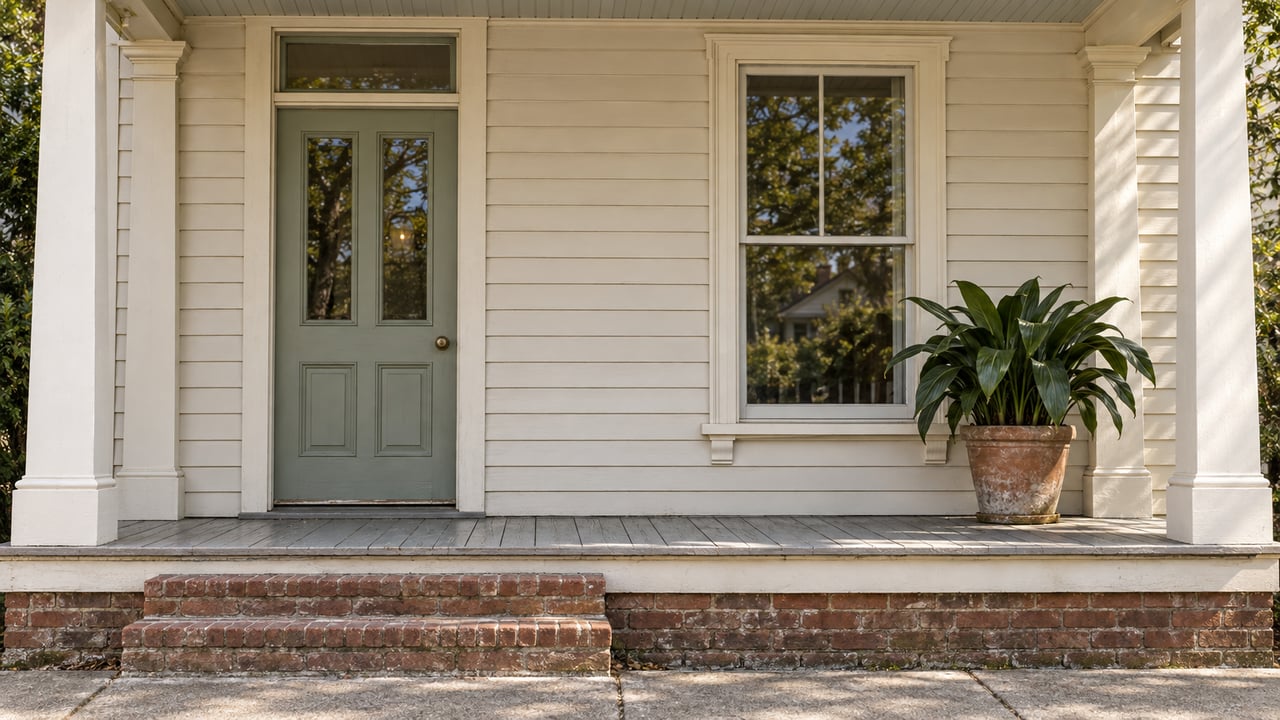
Raised construction is especially important in Uptown. The city notes that raised center-hall cottages can sit five feet or more above grade.
That elevation can create a more private feeling at street level. It also gives many homes a stronger sense of presence, even on relatively narrow lots.
Maintenance Matters
Most structures in the district are wood construction with wood siding or shingle cladding. That helps explain why porches, siding, trim, and roofs are such visible maintenance priorities in the local market.
If you are buying or preparing to sell, these exterior details deserve close attention. In a design-driven neighborhood, condition and presentation are part of the story buyers see first.
Historic District Rules Buyers and Sellers Should Know
For many clients, the biggest practical question is not style. It is what changes are allowed.
In New Orleans, National Register historic districts and local historic districts are not the same thing. The city explains that National Register status is administered at the state level and mainly offers recognition plus limited federal review, while local historic districts are administered by the City and regulate exterior changes and demolition.
When Approval Is Required
If a property is in a local historic district or is an individually designated landmark, exterior work generally requires a Certificate of Appropriateness from the City. That can include repairs, alterations, additions, demolition, relocation, new construction, and site work such as fencing or paving.
This is important for buyers evaluating renovation potential and for sellers preparing a home for market. Understanding the process early can help you plan with more clarity.
What Owners Can Still Update
Local historic district designation is not meant to prevent change. The city states that it does not affect property use or zoning, and it does not regulate interior work.
That distinction matters. A home can preserve its historic street presence while still offering updated kitchens, baths, and refreshed interior layouts.
What Design-Forward Buyers Should Notice
If you are comparing homes in Uptown, focus on the elements that reveal both architectural identity and future potential. Start with porch scale, roofline, window rhythm, and the home’s overall massing.
Then ask what kind of house you are really looking at. Is it a grand turn-of-the-century residence, a raised center-hall cottage, an ornamented Victorian-era home, or a compact shotgun or camelback? That answer often tells you more about the property’s story and possibilities than a simple style label ever could.
For clients who care about architecture, this is where expert guidance becomes especially valuable. In a neighborhood as nuanced as Uptown, the best opportunities are often the homes whose details reward a more informed eye.
If you are considering buying or selling an architecturally significant home in Uptown, New Orleans Luxury Living offers founder-led guidance, design-forward marketing, and a tailored approach shaped by deep neighborhood knowledge.
FAQs
What architectural styles are common in Uptown New Orleans?
- Uptown includes Greek Revival, Italianate, Eastlake, Arts and Crafts, Colonial Revival, and many vernacular house types such as shotguns, camelbacks, and center-hall cottages.
What should buyers notice first in an Uptown home?
- Buyers should pay close attention to street presence, porch scale, roofline, window rhythm, and whether the home is a grand historic residence, a center-hall cottage, or a shotgun or camelback.
What makes Uptown architecture different from one block to another?
- Uptown developed over a long period, from the 1820s through 1935, so the neighborhood includes a layered mix of building types, scales, and architectural details rather than one uniform look.
What is a camelback house in Uptown New Orleans?
- A camelback is a variation of the shotgun house with a partial second story at the rear, which adds living space while keeping a narrow street-facing profile.
What renovation work needs approval in an Uptown historic district?
- If a property is in a local historic district or is an individually designated landmark, exterior work such as repairs, additions, demolition, relocation, new construction, fencing, or paving generally requires a Certificate of Appropriateness from the City.
Can you update the interior of a historic Uptown home?
- Yes. The City states that local historic district rules do not regulate interior work, so owners can modernize interior spaces while preserving exterior historic character.