If you want a New Orleans neighborhood that feels creative, walkable, and deeply tied to the city’s architectural history, Bywater and Marigny usually rise to the top of the list. These adjoining downriver neighborhoods offer a rare mix of daily livability and cultural energy, with music, food, art, and historic homes shaping the rhythm of everyday life. If you are considering a move here, understanding how the two areas differ can help you find the right fit. Let’s dive in.
Where Bywater and Marigny Sit
Bywater and Faubourg Marigny sit between the French Quarter and the more residential parts of New Orleans. Marigny is one of the city’s earliest suburbs, historically bounded by Esplanade Avenue, St. Claude Avenue, Press Street, and the Mississippi River. Bywater sits immediately downriver and was historically known as Faubourg Washington.
Together, they offer something that can be hard to find near the urban core. You get a location close to major New Orleans landmarks and nightlife, but the blocks still feel like real neighborhoods rather than a purely visitor-focused district.
How the Two Neighborhoods Feel
Marigny feels more energetic
Marigny is generally the livelier of the two neighborhoods. Frenchmen Street anchors much of that energy, with cafes, music clubs, and restaurants creating a consistent nightlife presence. The area near Frenchmen is also an easy 5- to 10-minute walk from the French Quarter, which adds to its appeal if you like being close to the action.
If you enjoy stepping out your front door and feeling plugged into the city’s cultural pulse, Marigny may feel like a natural fit. It has a social, animated quality that many buyers associate with classic New Orleans lifestyle.
Bywater feels more residential
Bywater tends to read as quieter and more residential, even though it remains active and creative. You will still find locally oriented restaurants, bars, and art spaces, but the pace is typically more low-key than Marigny’s nightlife-heavy sections.
That balance is a big part of Bywater’s draw. It often appeals to buyers who want neighborhood character and walkability, but who also value a little more breathing room in their day-to-day setting.
Architecture shapes the lifestyle
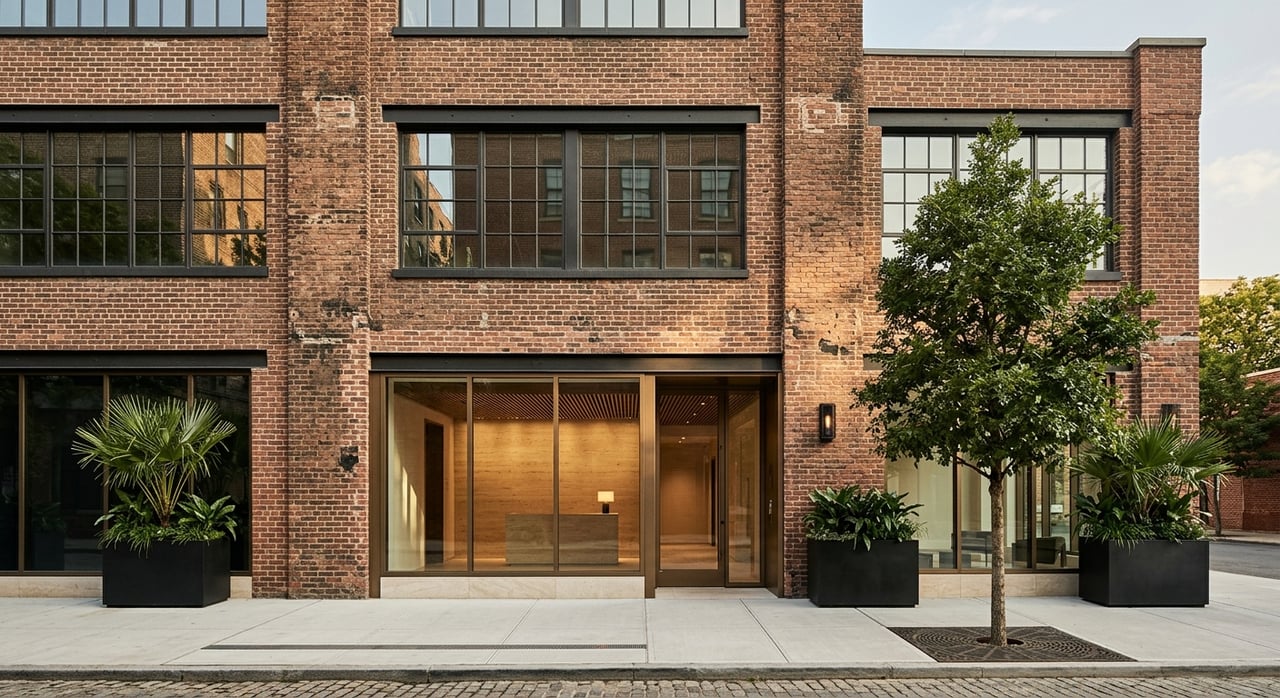
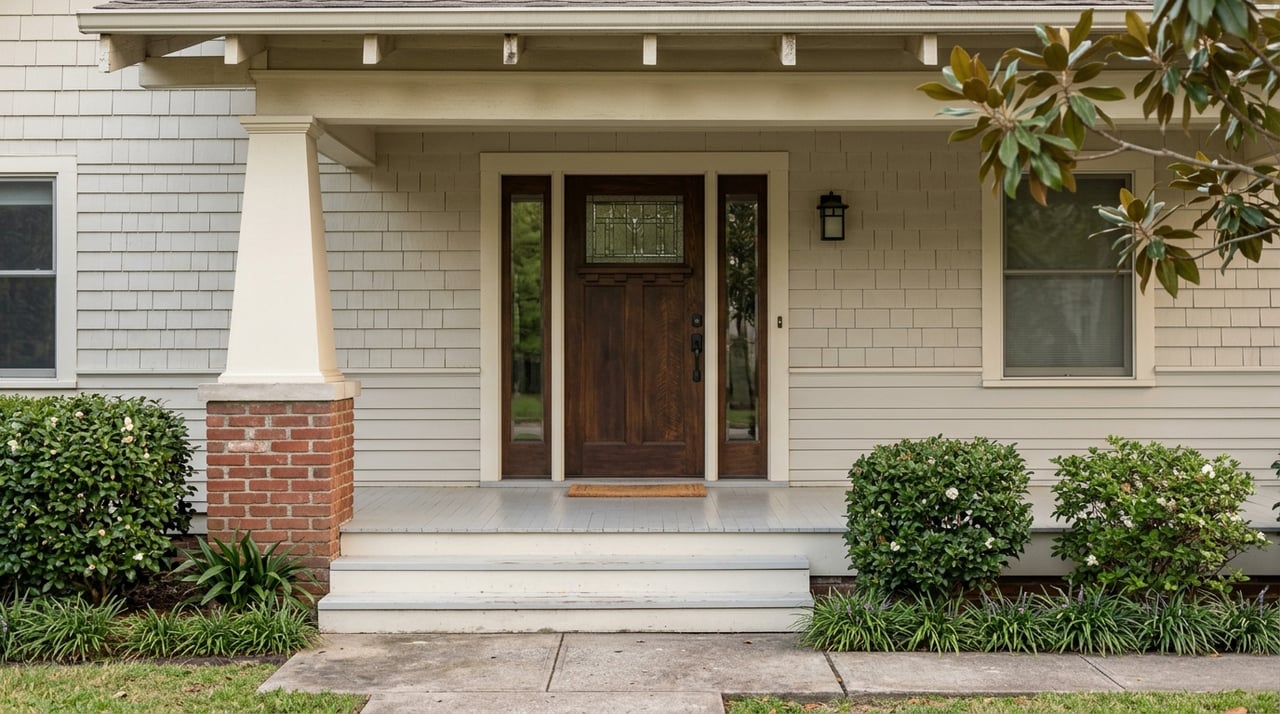
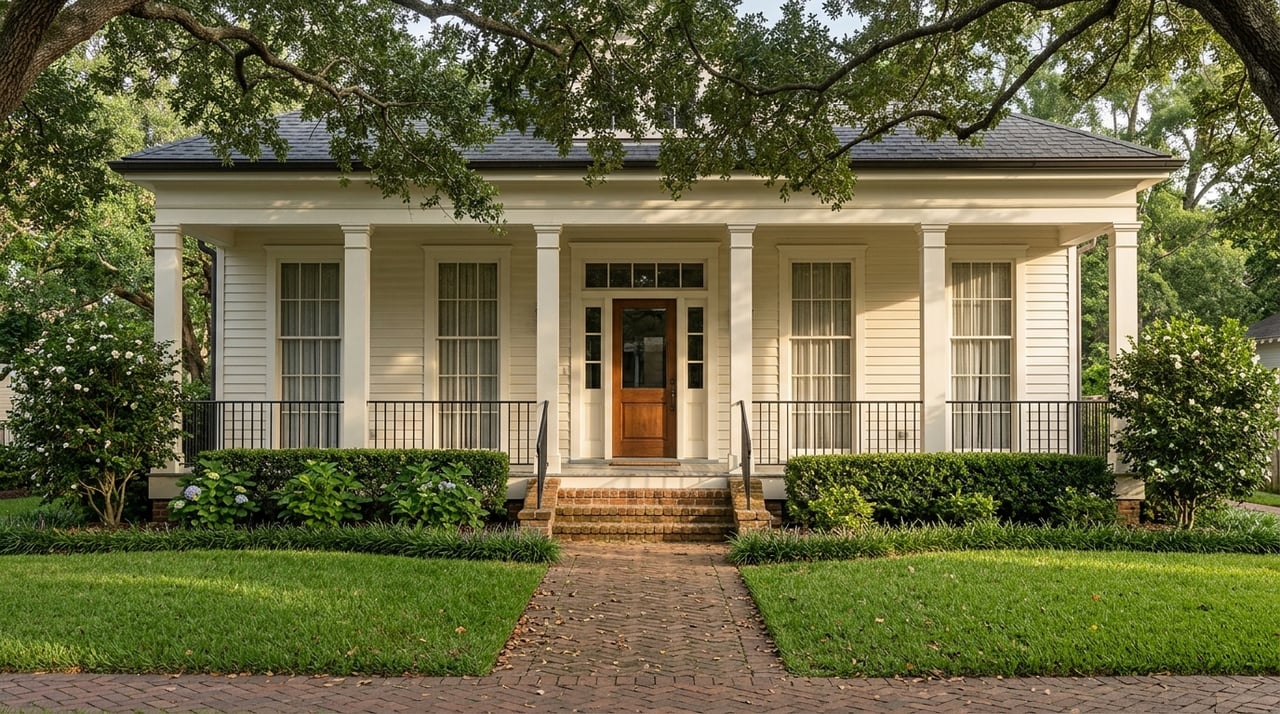
For many buyers, the homes are the reason these neighborhoods stand out. In Marigny, the city describes a mix of Creole cottages, ornamented shotgun dwellings, mixed-use corner buildings, and Queen Anne or Eastlake Victorian homes. In Bywater, the dominant forms are shotguns and Creole cottages, along with industrial riverfront buildings that now hold art studios and community nonprofits.
The streetscape has a distinct look and feel. Narrow lots, small setbacks, wrought-iron fences, and houses close to the sidewalk create a sense of intimacy that is very different from newer subdivisions. Here, architecture is not just background. It becomes part of your everyday experience.
What buyers should know about historic districts
Both neighborhoods include historic districts, which is important if you are considering renovations or exterior changes. According to the city’s HDLC guidelines, exterior work within local historic districts requires review and approval, and in full-control districts, all exterior work visible from the public right-of-way must be submitted before work begins.
In practical terms, that means buying here often comes with more planning if you want to update or rework a home’s exterior. For design-minded buyers, that can be part of the appeal, especially if you value original character and thoughtful restoration.
What daily life looks like
Mornings are neighborhood-oriented
Daily life in Bywater and Marigny often starts close to home. Local favorites highlighted by the city’s tourism guide include Bywater Bakery, Alma, and Petite Clouet for coffee, pastries, and easy morning stops.
That morning rhythm says a lot about the area. It tends to feel casual, walkable, and local, with routines built around neighborhood spots rather than a more formal destination scene.
Art is part of everyday living
The arts presence here is not limited to occasional events. Studio BE, a 35,000-square-foot warehouse filled with large-scale visual art, stands out as one of the area’s notable creative anchors. The broader Marigny and Bywater area is also shaped by local galleries, art markets, and the energy of the St. Claude Arts District.
If you are drawn to neighborhoods where creativity is part of the atmosphere, this area delivers that in a very visible way. Going out may mean dinner and drinks, but it can just as easily include a gallery stop or an afternoon spent exploring local studios.
Music is part of the weekly rhythm
Frenchmen Street plays a major role in the local lifestyle, especially in Marigny. The corridor is known for its concentration of live music venues, cafes, and restaurants, with active spots including The Spotted Cat, Blue Nile, The Maison, and d.b.a.
For residents, that means live music is woven into the neighborhood’s regular cadence. It is not something you save only for special occasions. It can simply be part of a normal week.
Outdoor life and walkability
One of the biggest lifestyle advantages in this part of New Orleans is Crescent Park. The park spans 1.4 miles and 20 acres along the riverfront and includes native landscaping, bike paths, a dog run, and public access to the river.
For residents, Crescent Park adds a meaningful outdoor dimension to urban living. It supports walking, biking, picnicking, and sunset views, giving Bywater and Marigny a riverfront amenity that feels both scenic and practical.
Getting around day to day
These neighborhoods are walk-friendly, but not fully car-free for most residents. Marigny’s location near the French Quarter makes some daily trips easy on foot, and both neighborhoods support a car-light lifestyle for many people.
At the same time, street parking remains part of the everyday reality, and Bywater’s historic-district documentation notes that most properties rely on it. St. Claude Avenue also serves as a primary commercial corridor, which helps support daily convenience without creating the feel of a dense downtown core.
Who tends to love living here
Bywater and Marigny often appeal to buyers who care as much about setting as square footage. If you value historic architecture, walkable routines, neighborhood coffee shops, and a strong connection to music and the arts, these areas can feel especially compelling.
They also tend to attract design-minded buyers who appreciate homes with history and restoration potential. If you want a place where the streetscape, the buildings, and the neighborhood rhythm all contribute to lifestyle, these adjoining neighborhoods offer that in a very distinct way.
Choosing between Bywater and Marigny
If you are deciding between the two, the question is often less about which is better and more about which feels more like you. Marigny is generally the better fit if you want higher energy, easier access to Frenchmen Street, and a location closer to the French Quarter.
Bywater may suit you better if you prefer a more residential feel while still staying close to local restaurants, bars, art spaces, and Crescent Park. Both neighborhoods share architectural charm and cultural depth, but they deliver it in slightly different tempos.
Why local guidance matters here
Buying in Bywater or Marigny is not just about choosing a home. It is also about understanding block-by-block feel, historic-district considerations, and how architecture and location shape day-to-day life.
For buyers considering these neighborhoods, nuanced guidance matters. The right home may be a carefully preserved Creole cottage, a shotgun with restoration potential, or a historically significant property with design value that is not obvious at first glance.
If you are exploring Bywater or Marigny and want expert guidance on architecture-forward homes, historic property considerations, or discreet buying opportunities, New Orleans Luxury Living can help you navigate the neighborhood with clarity and confidence.
FAQs
What is the difference between living in Bywater and living in Marigny?
- Marigny is generally livelier, especially near Frenchmen Street, while Bywater usually feels quieter and more residential, though both neighborhoods are creative and active.
What kinds of homes are common in Bywater and Marigny?
- Buyers will commonly find Creole cottages, shotgun homes, small Victorian-era residences, mixed-use corner buildings, and other historic or historic-looking properties.
What should buyers know about historic homes in Bywater and Marigny?
- Because both neighborhoods include historic districts, exterior work often requires HDLC review and approval, so renovations usually involve more planning than they would in a nonhistoric area.
Is Bywater or Marigny walkable for daily life?
- Yes, both neighborhoods support a walk-friendly, often car-light lifestyle, but many properties still rely on street parking and most residents do not treat the area as fully car-free.
What outdoor amenities do Bywater and Marigny offer residents?
- Crescent Park is a major amenity, offering a 1.4-mile riverfront park with bike paths, native landscaping, a dog run, and public river access.
Why do design-minded buyers consider Bywater and Marigny?
- Many buyers are drawn to the historic architecture, original character, restoration potential, and streetscapes where the buildings themselves are part of the lifestyle.