If you want a home that feels plugged into New Orleans culture from the moment you step outside, the Warehouse District deserves a close look. This is one of those neighborhoods where architecture, art, dining, and daily convenience overlap in a way that can shape how you live each day. If you are wondering what loft life here actually feels like, this guide will walk you through the rhythm, the advantages, and the tradeoffs. Let’s dive in.
What defines Warehouse District loft life
The Warehouse District stands apart because its character comes from adaptive reuse. According to New Orleans & Company’s neighborhood overview, the area began as a 19th-century port-storage district and later evolved, especially after the 1984 World’s Fair, into a mix of museums, galleries, restaurants, residences, event venues, and loft apartments.
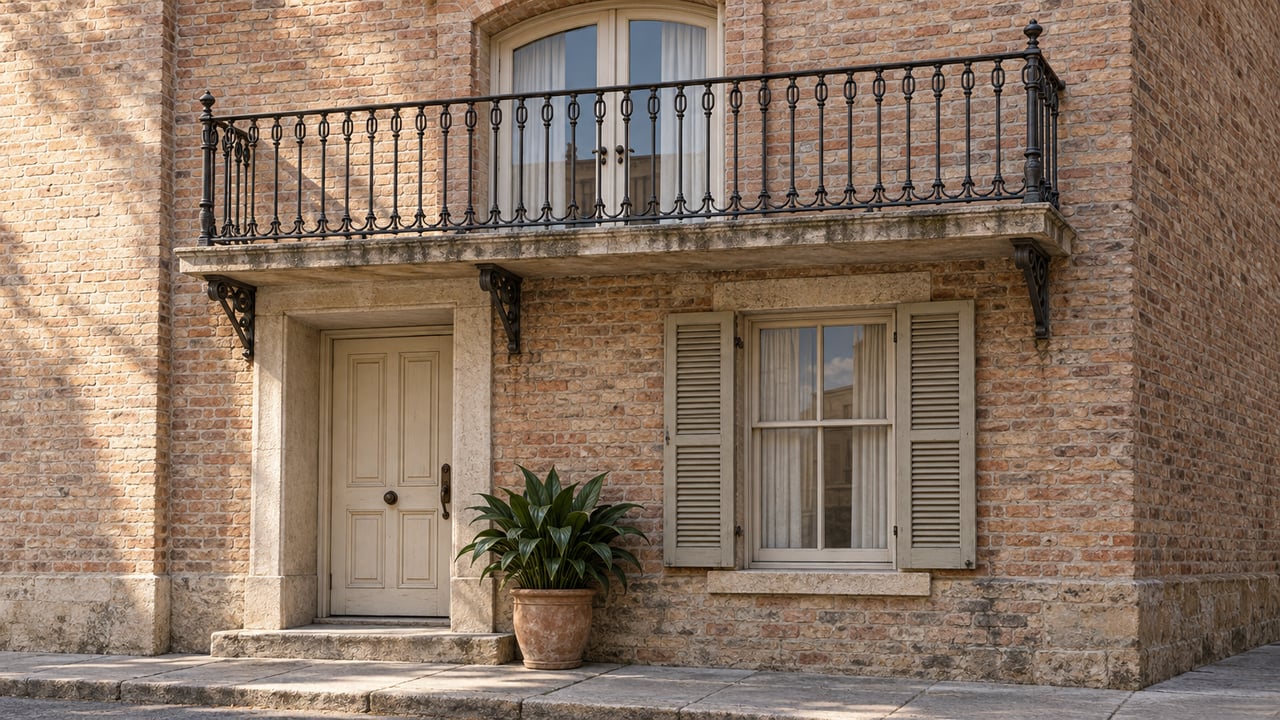
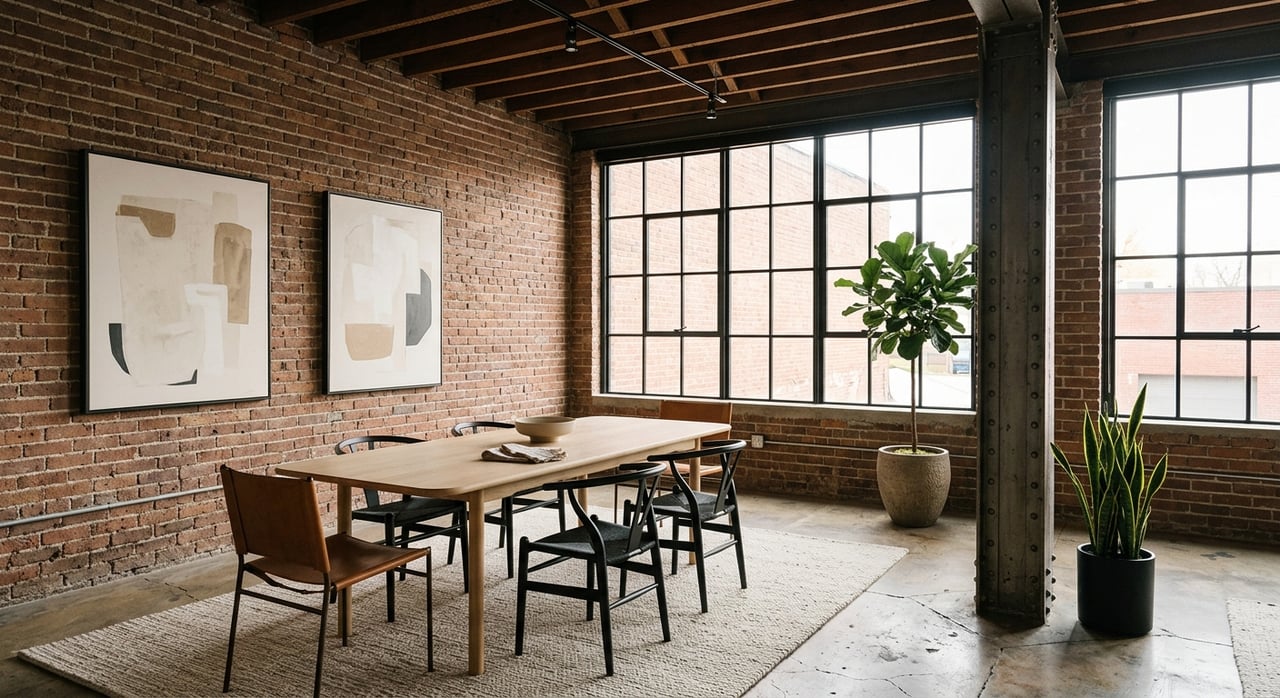
That history still shows up in the built environment. You see industrial-scale buildings, architectural details from Greek Revival, Gothic Revival, and Italianate styles, and a neighborhood feel that often draws comparisons to a New Orleans version of a loft district like SoHo. For you as a buyer, that often means open layouts, large rooms, and homes that can support entertaining, creative work, or a flexible work-from-home setup.
Why loft buyers are drawn here
For many buyers, the appeal is not just the loft itself. It is the combination of design character and location. If you enjoy architecture with a sense of history, but you also want easy access to dining, galleries, downtown offices, and the riverfront, the Warehouse District offers a compelling mix.
This address also tends to suit people who want their neighborhood to feel active and connected. The area is especially appealing if you value walkability, cultural programming, and a home base that feels close to the energy of the city without requiring a detached-house lifestyle.
Architecture shapes daily living
One of the biggest advantages of a loft in the Warehouse District is how the architecture can support modern routines. Former warehouse buildings often translate into broad living areas, higher ceilings, and layouts that feel more open than traditional compartmentalized floor plans.
That can matter in practical ways. You may want space for a large dining table, a work zone, a sitting area for guests, or a flexible room arrangement that changes with your needs. In this neighborhood, the building stock often supports that kind of adaptability.
Historic character meets modern use
The neighborhood’s evolution is part of its appeal. The same structures that once supported port and storage activity now house residences, cultural destinations, and hospitality spaces, which gives the district a layered feel that many buyers find hard to replicate elsewhere in New Orleans.
If you are drawn to homes with texture and provenance, this is often where loft living becomes more than a floor plan. It becomes part of a larger story about architecture, reuse, and city life.
Walkability is part of the lifestyle
The Warehouse District is especially attractive if you want a car-light routine. New Orleans & Company notes that the district sits close to the Central Business District and the French Quarter, with Julia Street described as an easy walk from the French Quarter and only a few blocks from the Mississippi River.
That location can shape your day in simple, useful ways. You might start with coffee nearby, head downtown for work or meetings, stop for lunch in the neighborhood, and finish the day with a walk toward the river. The convenience is not abstract here. It is built into the district’s geography.
Transit and access points nearby
The area also benefits from transit connections. The same neighborhood overview notes that the Loyola streetcar’s first stop from Union Passenger Terminal is Julia Street, while the Riverfront Line passes landmarks like the Riverwalk and Canal Place.
For buyers who travel often, commute downtown, or simply like having options beyond driving, that access can be a meaningful part of the lifestyle equation. It supports a more flexible routine, especially if you prefer city living with less dependence on a car for every outing.
Art is woven into the neighborhood
In the Warehouse District, art is not a once-in-a-while destination. It is part of the neighborhood identity. Julia Street is widely known as “Gallery Row,” with over a dozen galleries and a calendar that includes free First Saturday gallery receptions every month.
That kind of programming gives the area a distinct rhythm. Instead of needing to plan a special trip for a cultural outing, you can often step into it as part of a normal weekend or evening. For many residents, that easy access is part of what makes the district feel both lively and personal.
Signature events add energy
The district also hosts major annual events that reinforce its creative identity. Arts District programming highlighted on Julia Street’s neighborhood page includes Jammin’ on Julia, White Linen Night, and Art for Arts’ Sake Downtown.
If you enjoy a neighborhood with a public cultural calendar, this is a real draw. These events add energy and visibility, while also reminding you that living here means participating in a district that is very much part of the city’s cultural life.
Museums and institutions close to home
The Warehouse District is anchored by several major institutions that deepen its appeal. Nearby attractions listed by New Orleans & Company include the National WWII Museum, the Ogden Museum of Southern Art, the Contemporary Arts Center, the Museum of the Southern Jewish Experience, and the American Italian Cultural Center.
This concentration of cultural destinations gives the neighborhood substance beyond restaurants and nightlife. It can make everyday life feel richer, especially if you like being able to visit exhibitions, attend programs, or meet friends near places that carry civic and cultural importance.
Dining extends your living space
For many buyers, dining is one of the strongest quality-of-life advantages here. Arts District New Orleans describes the neighborhood as home to cafés, bars, and star-chef restaurants, while New Orleans tourism materials point to everything from chic bistros and wine bars to sandwich shops and hotel cocktail spots.
That variety can shape how you entertain and unwind. Instead of treating a night out as a major outing, you may find that dinner, drinks, or a quick meeting with friends fits naturally into your week. In a neighborhood like this, nearby hospitality often becomes part of how you use your home.
Everyday options matter too
The district is not only about special occasions. It also offers practical nearby amenities. A self-guided Warehouse District walking tour highlights Riverwalk Outlets as the area’s shopping destination, with more than 45 retail stores and 16 dining spots.
That same guide points to Lafayette Square Park as the largest park in the Arts and Warehouse District and identifies Woldenberg Park along the Mississippi as an important riverfront green space. For you, that means daily life can include errands, open-air breaks, and waterfront walks without traveling far from home.
What a typical day can look like
One reason buyers connect with the Warehouse District is that the neighborhood supports a strong daily routine. You are not choosing only a home. You are choosing a pattern of living that can feel efficient, connected, and visually interesting.
A typical day here might include:
- Walking to coffee or breakfast nearby
- Heading to work in the CBD or a home office in your loft
- Meeting friends or colleagues for lunch in the neighborhood
- Spending part of the afternoon near galleries or museums
- Taking an evening walk toward the riverfront
- Ending the day with dinner or drinks a few blocks from home
That rhythm will not fit everyone, but for the right buyer it can feel seamless.
Tradeoffs to consider before buying
The same features that make the Warehouse District exciting can also create tradeoffs. Because the area is compact, active, and event-oriented, you should expect more foot traffic and a more public urban atmosphere than you would in a quieter, lower-density residential setting.
This is especially true around Julia Street and during major art events. Arts District New Orleans reflects the neighborhood’s strong event identity, and the district’s cultural calendar can bring occasional street closures and heavier pedestrian activity.
Who this setting suits best
In general, this neighborhood tends to be a better fit if you value location, walkability, and cultural access more than yard space or detached-home privacy. If you want quieter blocks, more separation from commercial activity, or a highly car-dependent lifestyle, another setting may feel more comfortable.
But if you are looking for an architecture-forward residence in a neighborhood that places art, dining, and downtown access within easy reach, the Warehouse District offers a very specific kind of appeal. It is urban, social, and rooted in historic building stock that gives loft living real character.
Is Warehouse District loft life right for you
The answer comes down to how you want your home to function. If you picture your residence as both a private retreat and a launch point for gallery nights, museum visits, dinners out, river walks, and downtown convenience, this neighborhood can align beautifully with that vision.
For buyers who care about architecture, lifestyle, and location in equal measure, the Warehouse District remains one of central New Orleans’ most distinctive options. If you are considering a loft, condo, or residence in this part of the city, New Orleans Luxury Living can help you navigate the neighborhood with the discretion, local insight, and tailored guidance that a significant purchase deserves.
FAQs
What is the Warehouse District in New Orleans known for?
- The Warehouse District is known for converted industrial buildings, loft-style residences, galleries on Julia Street, major museums, and a strong dining scene close to downtown and the riverfront.
What is daily life like in the Warehouse District for residents?
- Daily life often centers on walking, nearby dining, access to downtown, riverfront parks, and cultural destinations such as galleries and museums.
What kinds of homes are common in the Warehouse District?
- The neighborhood is known for repurposed warehouse buildings and loft-style residences, often with open layouts and architecture that reflects the district’s industrial and historic roots.
What are the tradeoffs of living in the Warehouse District?
- Buyers should expect a more active urban setting with pedestrian traffic, event activity, and occasional street closures, especially near Julia Street during gallery events.
Who is the Warehouse District a good fit for?
- The area often suits buyers who value walkability, cultural programming, dining access, historic architecture, and a home that works well for entertaining or flexible daily living.