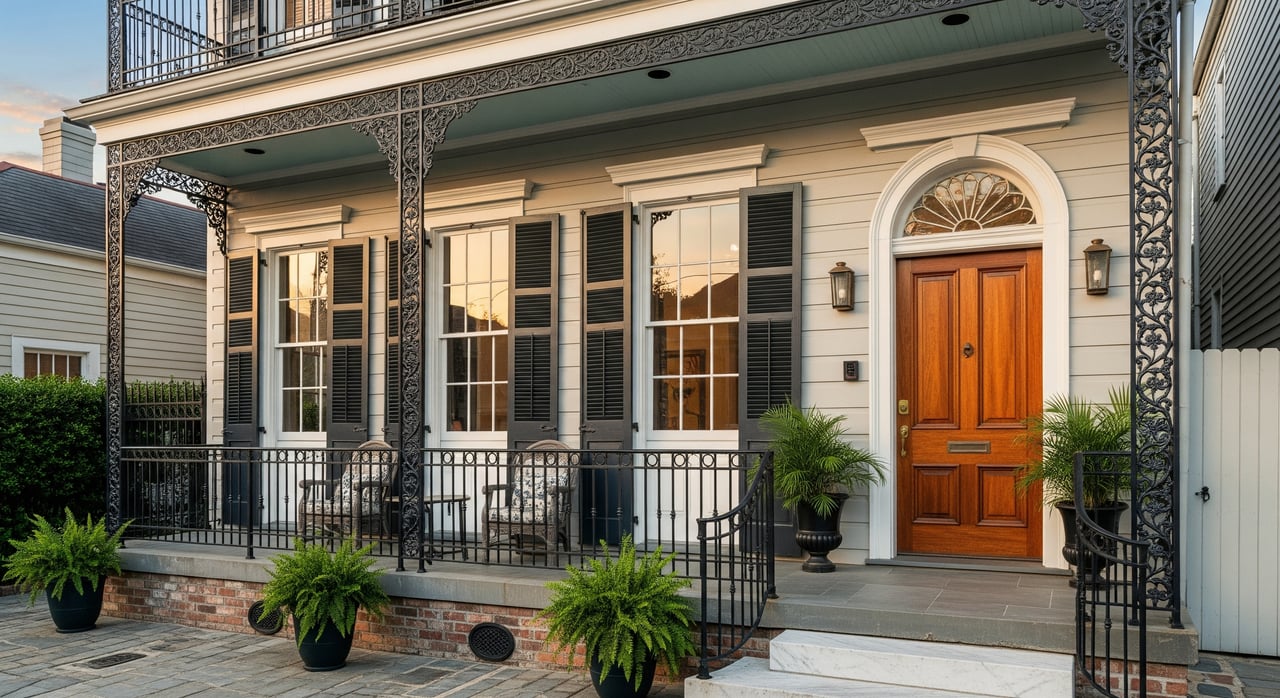
Pricing a renovated shotgun in the Irish Channel can feel tricky. Values change from block to block, and small details like a permitted camelback or a usable yard can swing buyer demand. If you understand how local buyers think and how appraisers adjust, you can price with confidence and negotiate from strength. This guide gives you a clear, step-by-step method tailored to the Irish Channel so you can set the right number and tell the right story. Let’s dive in.
Irish Channel pricing basics
The Irish Channel attracts buyers who want historic character with walkable access to Magazine Street, nearby restaurants, and the river. Proximity to the Central Business District and streetcar lines also lifts demand. If your renovated shotgun sits close to these corridors, you can expect stronger interest and, often, a higher price.
At the same time, the neighborhood is block-sensitive. Noise, traffic, and immediate neighbors matter. A block with several renovated homes can boost perceived value, while a busier corner may narrow the buyer pool. Your goal is to compare apples to apples on the most local level possible.
Why the block matters
Two blocks apart can mean a meaningful price difference. Buyers weigh walkability to Magazine Street, the feel of the immediate block, and how close they are to amenities. They also notice whether nearby homes have been renovated. If you can find sold comps on your block or the next two blocks, use those first and adjust from there.
Housing styles to compare
Shotguns, camelbacks, and double-shotguns are common in the Irish Channel. Try to compare the same housing form with similar bed and bath counts and lot size. If your shotgun has a camelback, your best comps also have a camelback with known permitting.
Attributes that move price
Finish tiers and premiums
Level of finish is the primary driver. You can think in three tiers:
- Cosmetic renovation: refreshed paint and surfaces, basic kitchen and bath updates, many older systems remaining. Buyers will price in future work.
- Mid-level full renovation: updated systems (HVAC, electrical, plumbing), new kitchen and baths with quality finishes, and preserved historic details. This tier draws the largest buyer pool.
- High-end restoration or gut rehab: designer finishes, engineered systems, comprehensive restoration, often with premium appliances and materials.
Adjustments typically follow these ranges: subtract 8 to 15 percent when comparing a cosmetic home to a mid-level comp. Add 8 to 20 percent when a property shows true high-end restoration over a mid-level baseline.
Camelback value
A permitted camelback adds living area and can be a strong value lift. Buyers respond best when the addition is fully permitted, integrated, and code-compliant. In practice, camelback square footage often values at 75 to 95 percent of the first-floor rate, depending on quality and layout.
If the addition is unpermitted or poorly executed, expect a discount and transaction friction until the status is resolved. Buyers and lenders treat unpermitted space cautiously.
Outdoor space and parking
Private outdoor space is prized in dense, walkable areas. A small, usable yard or terrace can add 3 to 8 percent. A larger, landscaped yard can add 8 to 15 percent when it feels like an extension of the living space. Off-street parking is rare and can add roughly 5 to 10 percent, with high variability by block.
Systems and documentation
Buyers look closely at major systems. Newer HVAC, a 200-amp electrical panel, updated plumbing, a sound foundation, and a solid roof reduce risk and can add 2 to 6 percent. Complete documentation like permits, a certificate of occupancy, and construction records supports a stronger price and a smoother contract period.
Flood and elevation
Many properties in the Irish Channel sit in FEMA flood zones. Elevation and a current elevation certificate influence insurance costs and lending. Homes that lack documentation or sit below required elevation often see a 5 to 12 percent discount, depending on expected premiums. If you have recent mitigation work or clear flood data, you reduce buyer uncertainty.
Historic and STR rules
Sections of the Irish Channel fall within local historic overlays. Exterior changes and additions may require approvals through the City of New Orleans’ historic review processes. Approved plans or documented compliance can add 2 to 5 percent. Uncertainty around approvals can lead to a 2 to 8 percent discount while buyers gauge risk.
If you are considering short-term rental potential, confirm local rules and licensing. Where not permitted, value is based on owner-occupancy or long-term rental demand.
Step-by-step pricing method
Follow this practical sequence to arrive at a tight price range and a strategy you can defend.
- Collect the right comps
- Pull recent solds from the local MLS and public records, prioritizing the past 3 to 6 months. If the market is shifting, narrow to 90 days.
- Choose comps on the same block or the two nearest blocks, with the same housing form, similar bed and bath counts, lot size, and camelback status.
- Normalize to living square footage
- Calculate price per square foot for each comp, noting how camelback square footage was handled. Keep your baseline to usable living space.
- Adjust for meaningful differences
- Finish level: subtract 8 to 15 percent for cosmetic vs mid-level; add 8 to 20 percent for high-end vs mid-level.
- Camelback: for a permitted, high-quality addition, value camelback square footage at 75 to 95 percent of first-floor rate. If unpermitted or poor quality, discount further or treat as non-conforming.
- Outdoor space: add 3 to 8 percent for a small usable yard; 8 to 15 percent for a larger, integrated outdoor area.
- Parking: add about 5 to 10 percent where off-street parking is truly scarce and desirable.
- Flood and elevation: subtract 5 to 12 percent if lacking an elevation certificate or if premiums will be high.
- Historic approvals: add 2 to 5 percent if approvals are in place; subtract 2 to 8 percent for uncertainty.
- Systems: add 2 to 6 percent for newer systems or subtract a fixed dollar amount for deferred items, often $5,000 to $20,000 depending on scope.
- Reconcile a range and set strategy
- Establish a low, median, and high value band. For a broad buyer pool and potential multiple offers, list near the median with standout presentation. For maximum testing of the upper band, list high and set a timeline to adjust if traffic or feedback underperforms.
Quick example math
- Scenario A: A 1,200-square-foot renovated single shotgun with a permitted 300-square-foot camelback on a Magazine-adjacent block. If similar main-floor comps trade at $350 per square foot, a base value of $525,000 plus a camelback adjustment at 90 percent ($94,500) and a 5 percent yard premium can support a value near $645,000.
- Scenario B: A 1,100-square-foot main level with a 350-square-foot unpermitted camelback and cosmetic finishes. Using a $300 per square foot baseline for the main floor ($330,000), valuing the camelback at 70 percent ($73,500), and subtracting 10 percent for flood and elevation concerns results in an adjusted figure around $363,000, with buyers likely pricing in permitting or escrow.
Seller prep checklist
- Gather permits, a certificate of occupancy, an elevation certificate, and documentation for major system work.
- Resolve or disclose unpermitted work. Retrospective permitting can improve net proceeds and reduce friction.
- Complete high-impact refreshes: deep clean, paint, lighting, landscape touch-ups, and targeted staging for kitchen and baths.
- Address obvious mechanical risks or obtain contractor estimates to support pricing.
- Compile 3 to 5 hyper-local comps and a broker opinion that explains block-level adjustments.
- If you have a camelback, include construction details and permits to confirm compliance.
Buyer due diligence checklist
- Verify permits for additions and recent system upgrades.
- Request the elevation certificate and a realistic flood insurance premium estimate.
- Ask for warranties and documentation for HVAC, roof, electrical, and plumbing.
- Order a thorough inspection focused on foundation, moisture, roof, electrical, and wood-destroying organisms.
- For camelbacks, confirm structural integration, egress, and fire separation are up to code.
- If you are investing, confirm short-term rental legality before assigning any income value.
Negotiation strategy
- Sellers: price to the finish tier you truly offer. If you want strong traffic and multiple offers, list slightly below the median of your adjusted range and present best-in-class visuals and complete documentation.
- Buyers: if you find unpermitted work, quantify costs and risk. Ask the seller to permit before closing or escrow funds. Use inspection credits for system upgrades.
- Both sides: when flood insurance is material, model total cost of ownership over 5 to 10 years, including mitigation options.
How we help you price right
You deserve a pricing strategy that reflects your exact block, your home’s restoration quality, and the story buyers want to hear. Our team pairs hyper-local comp analysis with high-caliber presentation so your renovated shotgun competes at the top of its tier. For sellers, we bring concierge prep, designer staging, and cinematic marketing. For buyers, we deliver quiet access, neighborhood nuance, and due diligence that reduces risk.
If you are considering a sale or purchase in the Irish Channel, request a confidential, block-by-block pricing consult with New Orleans Luxury Living.
FAQs
What drives price for a renovated shotgun in the Irish Channel?
- Level of finish, camelback quality and permitting, outdoor space, off-street parking, flood and elevation documentation, and historic approval status are the primary drivers.
How should I value a permitted camelback addition in New Orleans?
- Treat camelback square footage at roughly 75 to 95 percent of first-floor value depending on quality, layout, and permitting, with unpermitted additions requiring deeper discounts.
How much does off-street parking add in the Irish Channel?
- In this dense, walkable area, secure off-street parking often adds about 5 to 10 percent, but the impact varies by block and buyer preferences.
How local should comparable sales be when pricing in the Irish Channel?
- Use the same block or the two closest blocks whenever possible because micro-conditions and walkability differences create real price dispersion.
How does flood elevation affect offers on renovated shotguns in Orleans Parish?
- Lack of an elevation certificate or expected high premiums can lead to a 5 to 12 percent discount, while documented elevation and mitigation reduce buyer uncertainty and support stronger pricing.