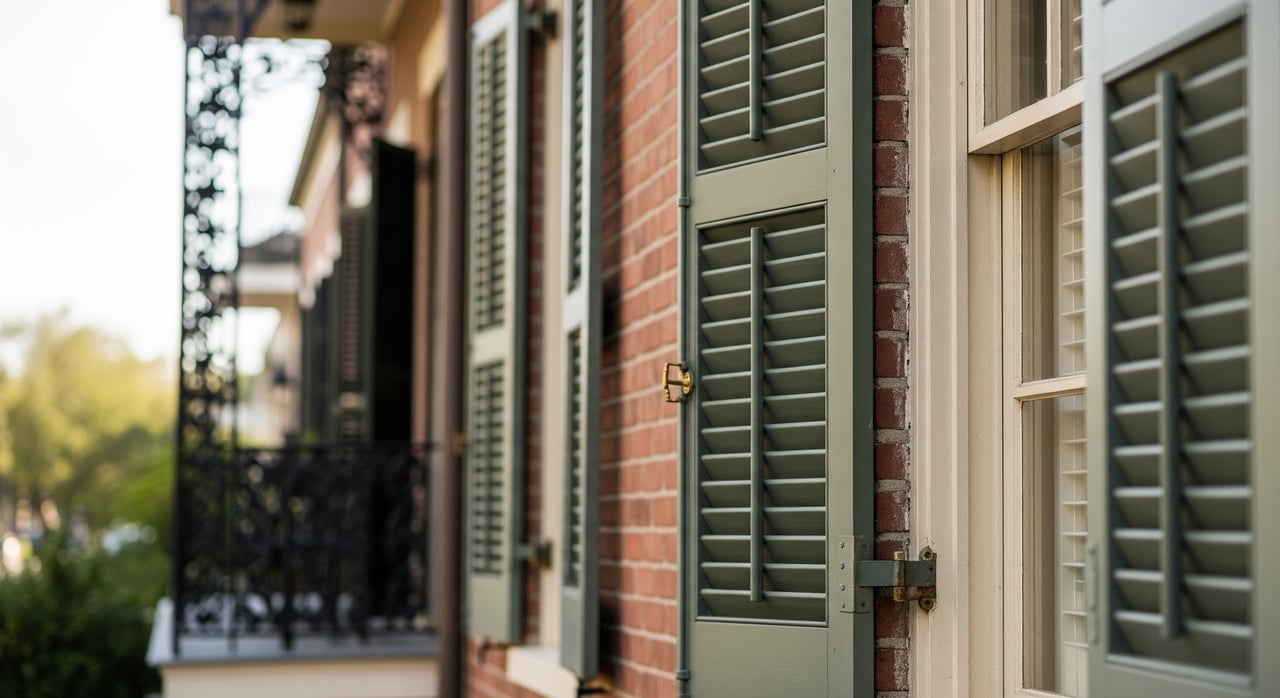
You love the character of your Marigny home, but the thought of navigating approvals for window or shutter work can feel overwhelming. You want to do the right thing, protect your investment, and keep that unmistakable New Orleans look. This guide shows you exactly how to maintain, repair, and, when necessary, replace historic windows and shutters in ways that win approvals and preserve value. You will walk away with a repair-first plan, a documentation checklist, and a clear path to yes. Let’s dive in.
Know who reviews your project
If your home is in Faubourg Marigny, your exterior work is typically reviewed by the Historic District Landmarks Commission (HDLC). The HDLC favors preservation and a repair-first approach, and most visible exterior changes require a Certificate of Appropriateness. If you own in the French Quarter, the Vieux Carré Commission (VCC) applies even stricter review, especially for anything visible from the street.
If you plan to pursue state or federal historic tax credits, your work must also meet the Secretary of the Interior’s Standards for Rehabilitation. Those standards prioritize repair over replacement and encourage reversible, well-documented changes. When in doubt, contact staff early to confirm jurisdiction, scope, and timing.
Read the reviewers’ playbook
Routine maintenance like repainting, re-caulking, and in-kind repair is often considered maintenance rather than a major alteration. Even so, you may still need to notify staff or obtain a staff-level approval before work begins. Larger changes, such as full sash replacement, changing materials, or adding new storm systems that alter appearance, usually require a formal application and sometimes a public hearing.
Plan for lead time. Staff reviews can take days to weeks and commission meetings follow a set calendar. Early conversations with staff reduce surprises and help you refine your approach before you submit.
Pre-1978 homes are common in Marigny. That means the EPA’s Renovation, Repair, and Painting Rule applies when you disturb painted surfaces. Hire EPA-RRP certified contractors, and insist on lead-safe practices for containment, cleanup, and worker protection.
Identify your windows and shutters
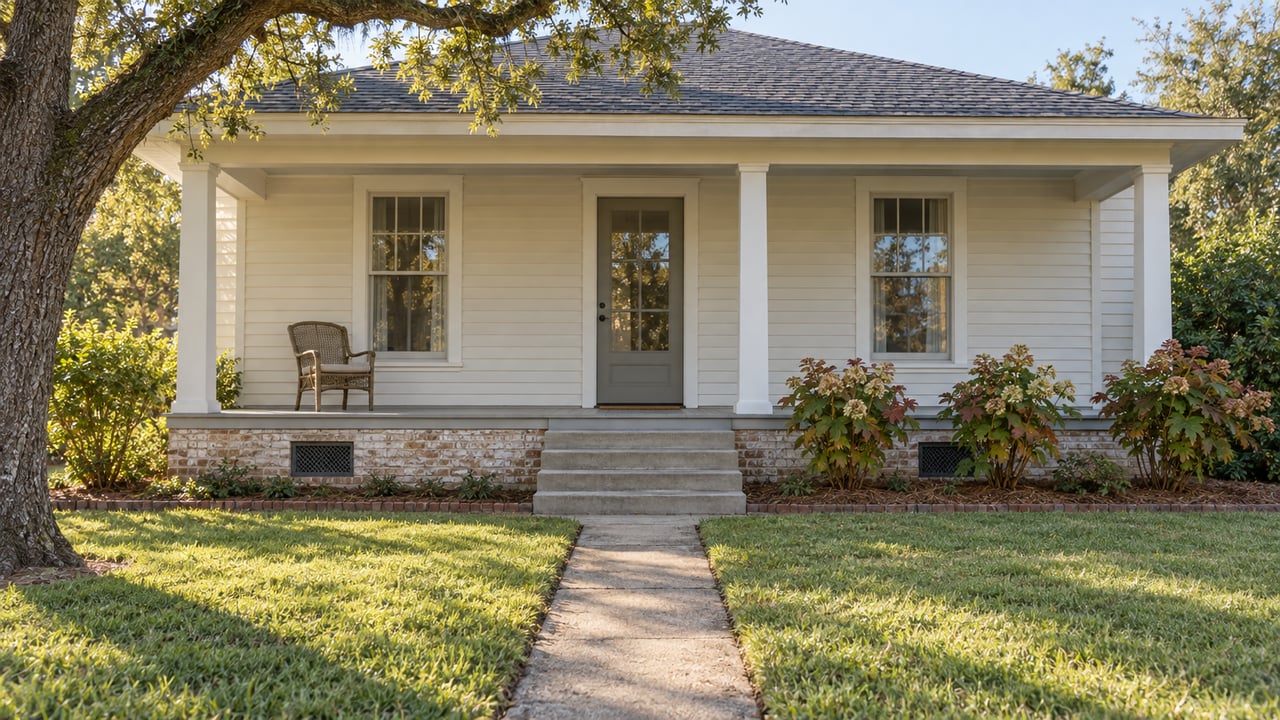
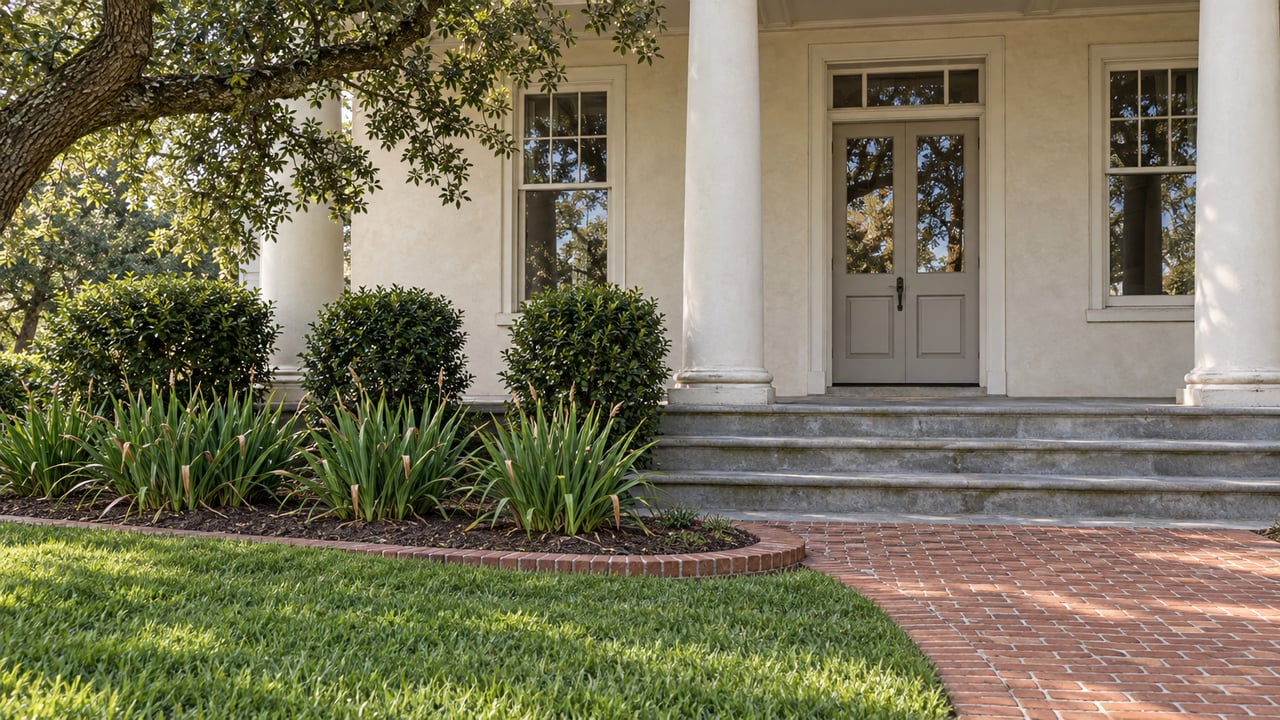
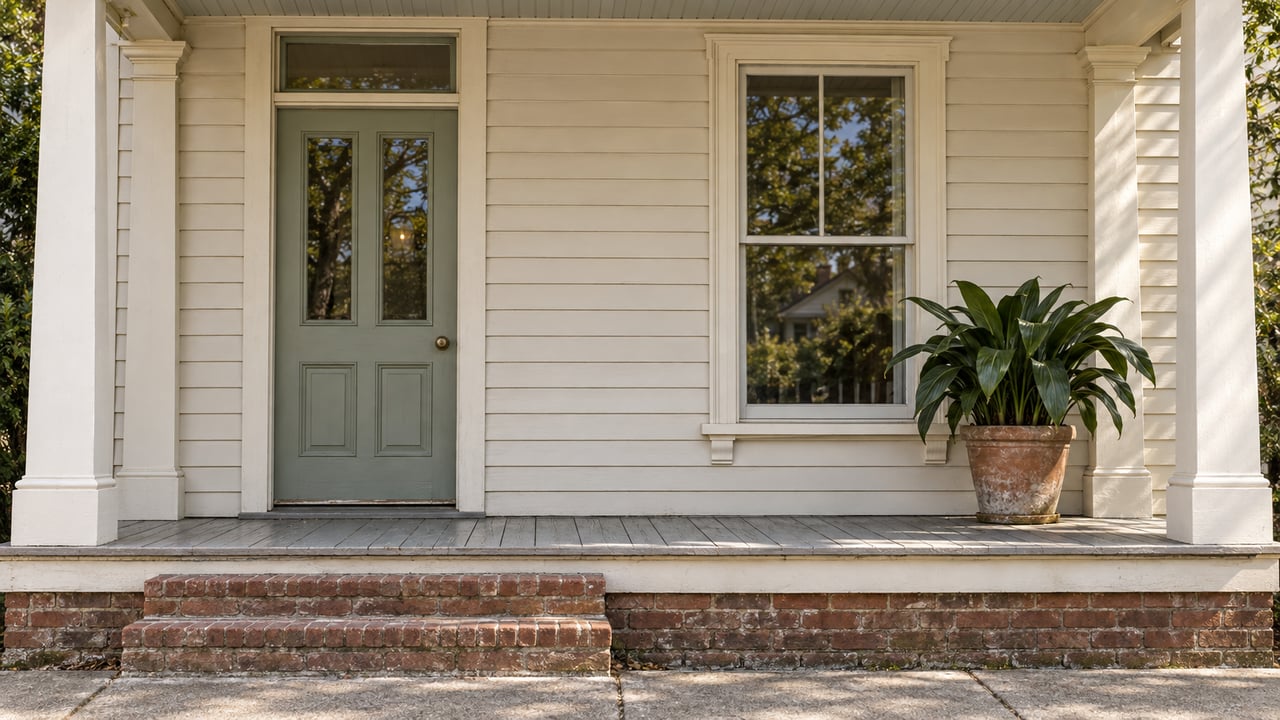
You see a mix of historic window and shutter types across Marigny and neighboring districts. Common windows include tall, narrow double-hung sash, often 2-over-2 or 6-over-6, and French doors with transoms in Creole cottages and townhouses. Some façades feature arched or fanlight transoms.
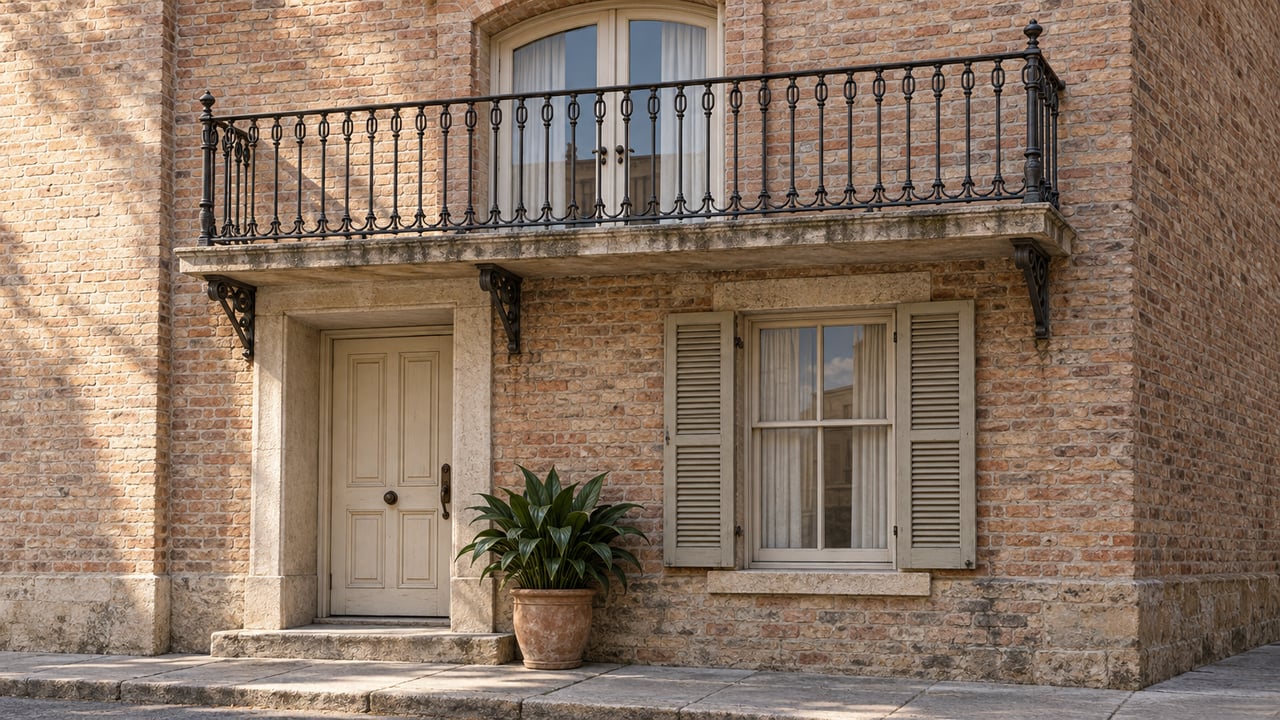
Operable louvered shutters are most common. You will also find paneled or board-and-batten styles. Traditional hardware includes pintles, strap or butt hinges, and shutter dogs. Many original elements were built from cypress or heart pine with single-pane glass and true divided lites. These profiles and materials are character-defining, which is why commissions focus so closely on preserving them.
Diagnose before you decide
Start with a careful condition assessment before you plan any work. This is essential for your approach and for approvals. Look for rot at the sill and bottom rails, missing or failing glazing putty, cracked or loose muntins, warped or swollen sash, and broken sash cords. For shutters, check for corrosion at hinges and pintles, misaligned mounts, and loose louvers.
Document everything:
- Photograph the entire façade, then each affected opening, and close-ups of rot, failed glazing, and hardware.
- Note any prior repairs. Keep estimates or notes from contractors that evaluate repair options.
- Measure and sketch existing profiles, muntin patterns, rail and stile dimensions, and hardware locations.
- If replacement might be required, prepare measured drawings and gather specification sheets for proposed components.
This documentation proves you considered repair first and gives staff what they need to evaluate your plan.
Repair-first strategies that get yes
Preservation standards and local commissions expect you to repair in-kind whenever feasible. The good news is that most historic wood windows and shutters were built to be repaired. Start with the least invasive steps and move up only as needed.
- Preventive maintenance. Clear weep paths, clean sash tracks, and verify flashing above openings. Re-caulk perimeter joints and spot-prime bare wood. Keep paint sound to shed water.
- Glazing repairs. Remove failing putty, clean the rabbet, and re-glaze. Retain historic glass when you can. Proper glazing and paint seal the weather out and improve performance.
- Sash repairs. Re-adhere loose joints and repair localized rot with dutchman splices that match grain and profile. Plane and re-fit sash to restore smooth operation without altering historic sightlines.
- Sash balancing. Repair or replace cords, chains, pulleys, and weights to keep double-hung windows working as designed. Consider concealed spring balances only if the weighed system cannot be conserved and the change is unobtrusive.
- Consolidation and splicing. Use epoxy consolidants sparingly to stabilize small areas before splicing. Follow recognized best practices so future repairs remain possible.
- Hardware rehabilitation. Clean and de-rust iron or bronze hardware. Replace missing pieces with historically appropriate reproductions and keep shutter dogs functional.
These steps often restore integrity and performance at a fraction of the visual cost of replacement. They also align directly with what reviewers want to see.
When replacement is reasonable
Sometimes a sash, frame, or shutter is too far gone. If the element is missing, structurally unsound, or prior work destroyed its profiles, commissions can approve full in-kind replacement. Success depends on proof and precision.
- Build the case. Provide photos, notes, and contractor assessments showing why repair is not feasible. Include any partial repairs you attempted.
- Match in-kind. Specify wood for wood and replicate material, profile, operation, and sightlines. Reproduce muntin profiles, rail and stile dimensions, and glazing patterns.
- Submit shop drawings. Include measured drawings and profiles for the replacement pieces. Show how the new work will match what is there or what was historically present.
Avoid off-the-shelf vinyl or composite units that change depth, shadow lines, or muntin proportions. These differences are often visible and typically not acceptable for street-facing openings.
Shutter care that preserves character
Operable shutters are signature features in New Orleans, so reviewers look closely at how yours work and how they will look after repairs. Keep them swinging freely, closing properly, and securing open with shutter dogs. This operability is part of the historic character.
Maintenance priorities:
- Clean and lubricate hinges and pintles. Replace corroded hardware with matching profiles and finishes. Stainless or appropriately coated hardware improves longevity.
- Repair rather than replace. Re-louver when slats are damaged. Splice rotten rails or stiles with matching wood and joinery.
- Replace like-for-like when needed. Match louver width, spacing, rail and stile profiles, and hardware locations. Avoid generic shutters that flatten depth or alter shadow lines.
For hurricane or security needs, look for reversible solutions that keep historic shutters visible and operable. Interior storms or removable exterior systems that do not obscure shutters are often preferred. Get pre-approval with documentation of profiles, mounting, and storage.
Boost efficiency without losing character
You can improve comfort and performance without sacrificing historic fabric. Reviewers generally favor low-visibility, reversible measures first.
- Storm windows. Interior or exterior storm units that align with existing sightlines can dramatically improve U-factor while preserving original sash. Choose designs that are visually compatible.
- Weatherstripping and seals. Upgrade sash weatherstripping and locks to reduce air infiltration. Tight sashes perform better than many people expect.
- Glass choices. Low-e coatings on historic glass or on storm panels can improve energy efficiency with minimal visual change.
If you propose insulated or double-glazed replacements for energy reasons, be ready with a strong justification. Where visible from the public right-of-way, true divided lite replications are generally preferred. Simulated divided lites may be acceptable only if profiles and shadow lines match closely.
Your approval-ready application package
An organized, thorough submission increases your odds of a smooth staff approval or commission hearing. Include the following in an HDLC or VCC application:
- High-quality photos of the overall façade and close-ups of each affected opening, including hardware and sills.
- Measured drawings or scaled sketches showing existing and proposed profiles, muntin patterns, and dimensions.
- A narrative explaining current conditions, repair options considered or attempted, materials proposed, and why replacement is necessary if requested.
- Specification sheets for replacement sash, shutters, hardware, and finishes, including wood species and paint systems.
- Paint color samples if you are changing colors, selected from historically compatible palettes.
- Contractor qualifications. Note experience with historic wood windows and confirm EPA-RRP certification for any paint disturbance.
For larger or tax credit projects, add a preservation professional’s assessment and detailed measured drawings. Always contact staff for a preliminary review before you submit. Submitting shop drawings for fabricated pieces helps avoid rework later.
Seasonal checklist for Marigny homes
A simple maintenance rhythm keeps small issues small and helps you document stewardship over time.
- Inspect flashing and drip edges above all openings each spring and fall.
- Re-caulk perimeter joints and glazing rabbets where gaps appear.
- Test shutter operability, free rusted pintles, and lubricate hinge pins.
- Clean sills and sash tracks, and verify that water sheds properly.
- Touch up paint and spot-prime any exposed wood.
Keep a maintenance log with dates, contractors, and materials used. Store any removed historic elements safely and photograph them for your records. This file becomes invaluable for future applications and long-term care.
What this means for your home’s value
Preserving original windows and operable shutters protects your home’s architectural integrity and curb appeal. It also aligns your property with the expectations of local reviewers and informed buyers who appreciate authentic details. Careful maintenance and compliant upgrades can help you avoid delays, reduce costs, and keep your home market-ready.
If you are planning a project, start with a repair-first mindset, document every step, and build in time for staff review. When replacement is necessary, match profiles, materials, and operation closely, and provide clear shop drawings. These moves respect the home’s history and set you up for approvals.
Ready to put a plan in motion or weigh options before you apply? Request a Private Consultation with New Orleans Luxury Living. We help you align preservation-minded maintenance with your goals, from discreet pre-sale improvements to long-term stewardship of an architecturally significant home.
FAQs
Do you need HDLC approval to repaint windows in Marigny?
- Routine repainting that does not change color or alter profiles is often considered maintenance, but staff notification or a staff-level approval may still be required. Always confirm requirements with HDLC staff before work.
How do you prove a historic window or shutter is beyond repair?
- Provide detailed photos, written contractor assessments, and notes on repair attempts. Include close-ups of rot, failed joints, and missing elements, plus measured drawings to support an in-kind replacement request.
Are double-glazed replacement windows allowed on street-facing façades?
- They are sometimes approved with strong justification if profiles, sightlines, and muntin proportions match originals closely. True divided lite replication is generally preferred where visible from the public right-of-way.
What hurricane protection solutions are typically acceptable for historic façades?
- Reversible systems with minimal visual impact are favored, such as interior storms or removable exterior panels that do not obscure historic shutters. Secure pre-approval with documentation of profiles and mounting.
What should you ask a contractor about lead-safe work in a pre-1978 home?
- Confirm EPA-RRP certification, request a written containment and cleanup plan, and ensure workers follow lead-safe practices when disturbing painted surfaces around windows and shutters.