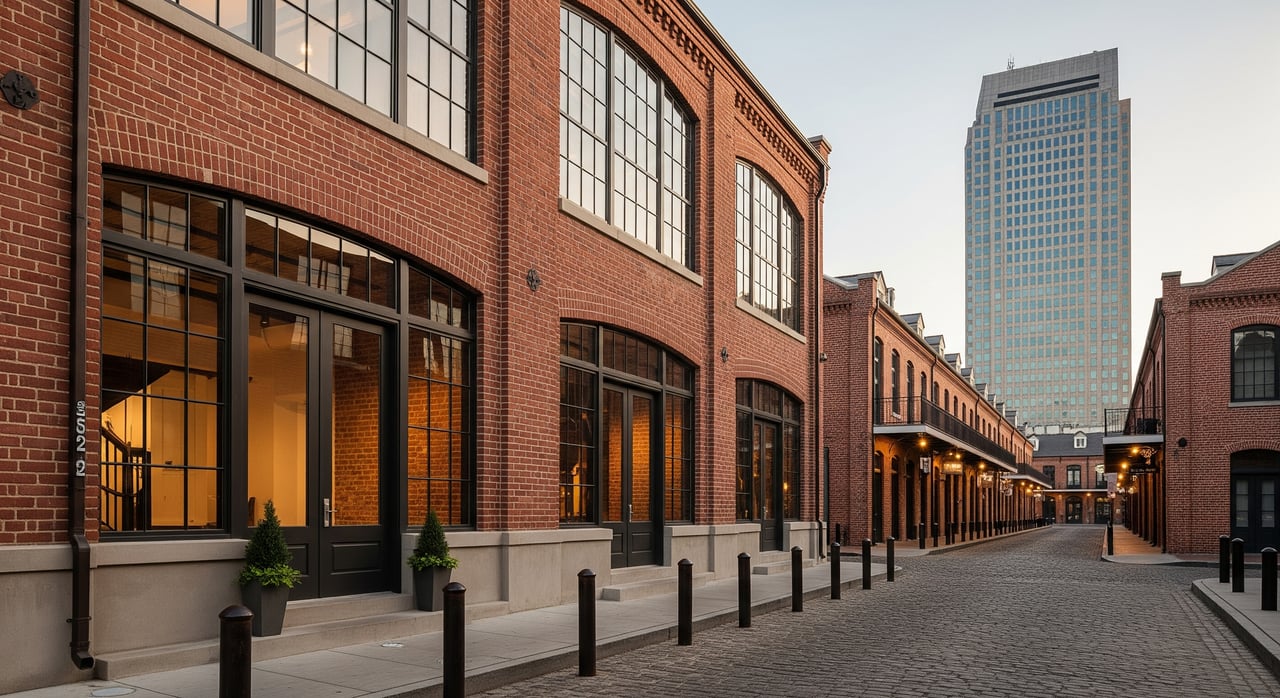
Torn between a sleek CBD tower and a brick-and-beam loft in the Warehouse District? You are not alone. Both neighborhoods sit side by side in downtown New Orleans, yet the day-to-day experience, building styles, and carrying costs can feel very different. In this guide, you will learn how the two areas compare on lifestyle, architecture, HOA dynamics, insurance, and resale so you can buy with confidence. Let’s dive in.
Location and daily rhythm
CBD: commercial core energy
The Central Business District is the city’s business and financial hub. You will find high-rise office buildings, newer residential towers, and busy transit connections. Weekdays bring commuter traffic and lively sidewalks, while restaurants, hotels, and select nightlife keep things active after hours.
Warehouse District: arts and neighborhood feel
The Warehouse District began as an industrial area and has evolved into a cultural and residential neighborhood. Museums, galleries, and adaptive-reuse lofts shape the streetscape. It often feels slightly more residential, with energy that carries into evenings and weekends, especially around gallery openings and the riverfront.
Lifestyle takeaways
- Choose the CBD if you prioritize proximity to offices, transit, and high-rise amenities.
- Choose the Warehouse District if you want loft-style living, cultural venues, and a neighborhood identity near the riverfront.
Walkability, amenities, and access
Both neighborhoods are highly walkable, with dining, arts, and downtown conveniences close by. The CBD places you nearer to corporate offices and major hotels. The Warehouse District puts museums, galleries, and riverside promenades within easy reach. Transit is accessible in both, with the CBD acting as a hub for bus lines and circulators.
Architecture and unit styles
Warehouse District: loft conversions and character
Many buildings here are adaptive-reuse warehouses with brick walls, heavy timber, and industrial windows. Units often have high ceilings, open plans, and larger single-level footprints. You get texture and authenticity, but systems can vary by building due to age and prior renovations.
CBD: towers and modern conveniences
The CBD leans toward mid- to high-rise towers and mixed-use buildings. You will see more purpose-built condominium towers and some office-to-residential conversions. Units can be more conventional in layout, with smaller footprints common to downtown living and the potential for broad city views.
Systems, sound, and maintenance
Converted lofts may include older HVAC, plumbing, and electrical that need ongoing maintenance or future upgrades. High-rises typically feature centralized systems and structured elevator networks, which can support comfort and reliability but require long-term service contracts and reserves. For noise, many towers use modern glazing that helps with street sound. In conversions, review window quality and sound transfer between units during tours.
Historic status and design review
The Warehouse District contains many historic structures that may be subject to preservation review or design guidelines. If you plan renovations, understand what changes require approval. Some CBD properties may also hold historic status, but you will generally see fewer landmarked warehouse buildings than in the Warehouse District.
HOA fees and governance
What HOA fees cover
Across both neighborhoods, condominium fees typically include building insurance, common-area utilities, elevator contracts, security or concierge where present, exterior and landscape maintenance, trash, admin costs, and reserve contributions. Amenities such as a pool, fitness center, and doorman can raise monthly costs.
How building type influences costs
- Warehouse conversions: Older buildings may face deferred maintenance and underfunded reserves, which can lead to special assessments for roofs, facades, or mechanical upgrades. Management can range from self-managed boards to professional firms, which affects service levels and fees.
- Modern towers: Larger associations and formal reserve studies are more common. Elevators and mechanical systems require ongoing contracts and larger capital planning, but costs are often spread across more owners.
Rules and rental policies
HOA bylaws can significantly shape your experience. Review rules on noise, pets, renovations, rentals, and short-term rentals before you buy. Restrictions vary widely by building and can influence both lifestyle and investment potential.
Insurance and flood risk
Flood risk is a central variable in New Orleans. Confirm a building’s FEMA flood zone and whether it lies in a Special Flood Hazard Area. Study the master policy to understand what the association insures versus what you must cover inside your unit, including loss assessment coverage when appropriate. Elevation, flood mitigation features, and post-storm code upgrades can influence premiums. If you plan to finance, be mindful that lender and secondary-market condo project requirements can affect eligibility.
Price and resale patterns
While you should always rely on up-to-date data, typical patterns can help set expectations:
- Warehouse District: Often commands premiums for unique loft character and proximity to cultural venues. Floorplans can be larger, and product is more varied by building, which creates wide pricing bands.
- CBD: Offers a broad range from older mid-rises to high-amenity towers. Per-square-foot pricing can be higher in luxury towers, while smaller units may present more accessible entry points.
For resale, buyers are drawn to buildings with documented reserves, professional management, and clear insurance coverage. Properties with frequent assessments, unclear policies, or governance issues can face lender scrutiny and longer market times.
How to decide: a step-by-step plan
Step 1: Define lifestyle goals
Do you want loft space with cultural access and riverfront proximity? Consider the Warehouse District. Do you want commuter convenience and tower amenities? Lean CBD.
Step 2: Match building type to your needs
Choose between historic finishes and open plans versus modern finishes and full-service amenities. For each building, review the history of major systems and planned capital projects.
Step 3: Estimate carrying costs
Gather the current HOA statement, budget, reserve study, master policy summary, special-assessment history, and typical utilities. Build a working total that includes monthly HOA, estimated insurance, property taxes, and utilities.
Step 4: Review governance and rules
Read the CC&Rs, bylaws, and house rules. Confirm policies for pets, rentals, short-term rentals, and renovation approvals. Make sure the rules align with your lifestyle and any rental plans.
Step 5: Assess risk and insurance
Check the building’s flood zone status and obtain an elevation certificate if available. Request quotes for both the building’s master policy exposure and your unit coverage to understand the full risk picture.
Step 6: Confirm financing and project eligibility
Ask your lender about condo project requirements and eligibility. Some buildings may not fit specific loan programs, which affects your options.
Step 7: Test the experience on-site
Visit at different times of day and week to observe noise, traffic, and street activity. Inside the unit, gauge sound transmission, window quality, and any signs of moisture, especially in older conversions.
Buyer due diligence checklist
Before you write an offer, request and review:
- HOA budget and most recent financials
- Reserve study and records of major repairs over 5–10 years
- Minutes from the last 6–12 months of HOA meetings
- CC&Rs, bylaws, and rules and regulations
- Master insurance summary and owner-responsibility breakdown
- Special assessments, both recent and pending
- Third-party inspection focused on structure, roof, HVAC, plumbing, and moisture
- Flood zone determination and elevation certificate if available
- Parking allocation and deeded parking documents
- Contracts with on-site vendors, such as security and cleaning
- Short-term rental permit status and compliance details
Putting it all together
If you want art-forward living with generous volumes and industrial detail, the Warehouse District is a compelling fit. If you prefer skyline views, service-rich amenities, and commuter convenience, the CBD stands out. In either case, your best decision comes from pairing lifestyle priorities with building-level facts on reserves, insurance, governance, and system health.
When you are ready to compare specific buildings or need a discreet search, connect with New Orleans Luxury Living for tailored guidance and access to curated offerings.
FAQs
What is the main difference between the CBD and Warehouse District for condo buyers?
- The CBD emphasizes high-rise living near offices and transit, while the Warehouse District offers loft-style conversions and cultural venues with a stronger neighborhood feel.
How do HOA fees typically differ between CBD and Warehouse District condos?
- Fees vary by building; towers may have higher amenity costs and structured reserves, while older conversions can face special assessments if reserves are underfunded.
What should I know about flood insurance for downtown New Orleans condos?
- Confirm the FEMA flood zone, review the condo master policy, and get quotes for your unit; elevation, mitigation features, and code upgrades influence premiums.
Are short-term rentals allowed in CBD or Warehouse District buildings?
- Policies vary by HOA and local regulations; always review bylaws and permit requirements to understand what is allowed before you buy.
Which neighborhood tends to have better resale potential for condos?
- Both can resell well; the edge depends on building factors like reserves, management, insurance clarity, and buyer demand for either loft character or tower amenities.